Overview
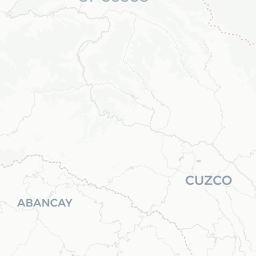
Santiago is one of the eight districts that make up the Province of Cusco in the Cuzco Department of southern Peru. Sitting at roughly 3,400 metres above sea level on the southwestern edge of Cusco city, it functions primarily as a residential and commercial district rather than a tourist centre in its own right. Its population of approximately 64,000 makes it one of the larger districts in the province.
For most visitors, Santiago is experienced as part of the wider Cusco metropolitan area. It lacks the concentration of Inca monuments found in the historic centre (San Blas, the Plaza de Armas), but it offers a less touristy window into everyday Andean urban life — local markets, neighbourhood churches, and the rhythm of a working Peruvian city at high altitude.
Travellers who stay in or pass through Santiago often do so because accommodation can be more affordable here than in Cusco's historic core, and because the district is well connected by public transport to central Cusco and onward destinations such as the Sacred Valley.
Before You Go
Altitude
Santiago sits at approximately 3,400 m (11,150 ft) above sea level. Altitude sickness (soroche) is a genuine concern. Plan at least one full rest day on arrival, stay well hydrated, avoid alcohol initially, and consider consulting a doctor about acetazolamide (Diamox) before travel. Coca-leaf tea, widely available locally, is a traditional remedy many visitors find helpful.
Visas
Visa requirements depend on your nationality and may change. For current, accurate information consult TravelerPulse's Visas section and Peru's official immigration authority (Superintendencia Nacional de Migraciones, migraciones.gob.pe). Do not rely on out-of-date sources.
Health
- Travel insurance that covers high-altitude medical evacuation is strongly recommended.
- Tap water is not considered safe to drink; use bottled or filtered water.
- Sun protection is essential — UV radiation is significantly stronger at altitude, even on cloudy days.
- Yellow fever vaccination is not required for the Andean highlands but may be relevant if your itinerary includes the Amazon lowlands. Verify with your doctor.
Money
PERU uses the Peruvian Sol (PEN). ATMs are available in central Cusco; Santiago's local market area has some but verify availability before relying on them. Many smaller vendors are cash-only.
Getting There
By Air
The nearest airport is Alejandro Velasco Astete International Airport (CUZ), located within the Cusco city area and approximately 3–5 km from Santiago district depending on your exact destination within it. This airport handles both domestic flights (primarily from Lima, Arequipa, and Puerto Maldonado) and some international connections. Verify current routes and schedules directly with airlines or on the airport's official site.
By Bus (Long Distance)
Cusco's main long-distance bus terminal (Terminal Terrestre) connects the city to Lima, Puno, Arequipa, and other major Peruvian cities. Journey times are long — Lima to Cusco by road takes roughly 20 hours depending on the service. Several reputable bus companies operate on these routes; compare options and book in advance during peak travel periods.
By Train
PeruRail and Inca Rail operate scenic train services between Cusco (Poroy or San Pedro stations) and Aguas Calientes (the gateway to Machu Picchu). These do not serve Santiago directly but are relevant to the broader Cusco visit. Check schedules and book ahead at busy times.
Getting Around
Within the Cusco metropolitan area, Santiago is served by the city's extensive network of combis (minibuses) and colectivo taxis. Fares are very low by international standards; verify the going rate locally as it changes. Combis can be crowded during rush hours.
Conventional taxis are plentiful throughout Cusco. Negotiate the fare before you get in, as most do not use meters. Ride-hailing apps (including InDriver and, at times, Uber) have had varying availability in Cusco — check current app coverage on arrival.
Walking between Santiago and the historic centre of Cusco is possible for fit acclimatised visitors but involves hills and the effects of altitude; most people opt for transport. The streets in Santiago itself are navigable on foot for local exploration.
Things to See & Do
Local Markets
Santiago's markets are among its main points of interest for travellers wanting an authentic, non-touristy shopping and eating experience. Vendors sell fresh produce, textiles, household goods, and street food. The atmosphere is busy and predominantly local. Arrive early for the best selection.
Day Trips from Santiago / Central Cusco
Santiago's main value is as a base for the extraordinary range of sites accessible from Cusco:
- Machu Picchu — the iconic Inca citadel, reachable by train and bus; book tickets well in advance through the official Peruvian government ticketing system.
- Sacred Valley of the Incas — Pisac, Ollantaytambo, and Chinchero are all within a 1–2 hour drive.
- Sacsayhuamán — the massive Inca fortress complex on the hill above Cusco's historic centre.
- Qorikancha — the Temple of the Sun in central Cusco, one of the most important Inca religious sites.
Neighbourhood Exploration
Walking through Santiago's streets gives a sense of contemporary Andean urban life distinct from the heavily touristed historic core. Local plazas and parish churches (verify opening times locally) are worth a look.
Food & Drink
Santiago's eating scene is oriented toward local residents rather than international visitors. You will find small family-run restaurants (picanterías and huariques) serving traditional Andean dishes at budget prices.
What to Try
- Cuy (roasted guinea pig) — a regional delicacy prepared on special occasions and in many local restaurants.
- Rocoto relleno — stuffed spicy pepper, a staple of Andean cooking.
- Sopa de maní — peanut soup, hearty and warming at altitude.
- Chicha de jora — traditional fermented maize beer; look for establishments flying a red or white flag, a local signal that chicha is served.
- Fresh fruit juices and herbal teas are widely available and a safe, enjoyable option.
For a wider range of restaurants including international cuisine, the historic centre of Cusco (a short combi ride away) has far more options. Food hygiene standards vary; eating at busy, well-patronised spots reduces risk. Avoid raw salads or unpeeled fruit unless you have confidence in the preparation.
Practical Information
Emergency Numbers
Verify current local emergency numbers on arrival or with your accommodation. In Peru, the general emergency number is 105 (police) and 116 (fire). Medical emergency services: verify locally. iPerú (Peru's official tourist information and assistance service) has offices in central Cusco and can assist travellers.
Connectivity
SIM cards from Peruvian operators (Claro, Entel, Movistar) are available at shops and markets in Cusco and provide reasonable coverage in the urban area. Wi-Fi is standard in most hotels and many cafés, though speeds vary.
Banking & ATMs
Bring sufficient Soles for local use in Santiago; ATMs are more reliably available in central Cusco. Notify your bank before travel to avoid card blocks.
Medical Facilities
For serious medical issues, facilities in central Cusco (including Clínica Pardo and Hospital Regional) are the primary options. Travel insurance with evacuation cover is important given the altitude and distance from major trauma centres.
Safety
Santiago is a working urban district and generally safe by Peruvian standards during daylight hours, though like any city neighbourhood it requires standard urban precautions. Petty theft and opportunistic bag-snatching can occur, particularly in crowded market areas and on public transport.
- Keep valuables out of sight and use a secure inner bag or money belt for documents and cash.
- Avoid displaying expensive cameras, jewellery, or phones unnecessarily.
- Use only registered taxis or known ride-hailing apps, especially at night; do not hail taxis from the street late in the evening.
- After dark, stick to well-lit, well-populated streets and consider returning to your accommodation by taxi rather than on foot.
- Check your government's current travel advisory for Peru before you go, as conditions can change.
Local Culture & Etiquette
Santiago is home to a significant Quechua-speaking population, and Andean traditions remain woven into daily life. Respect for local customs goes a long way. Dress modestly when visiting churches or community events. Ask permission before photographing people, particularly in market settings — this is both courteous and legally appropriate.
Festivals and religious celebrations occur throughout the year and often blend Catholic and pre-Columbian Andean traditions. Inti Raymi (the Festival of the Sun, held in June) is celebrated across the Cusco region and is a remarkable spectacle. Local neighbourhood feast days (fiestas patronales) happen at various times; ask your accommodation about anything occurring during your visit.
Bargaining is normal in markets but should be done respectfully and without aggressive pressure. The price of handmade goods reflects real labour — extremely low offers can be perceived as disrespectful.