Translate
Overview
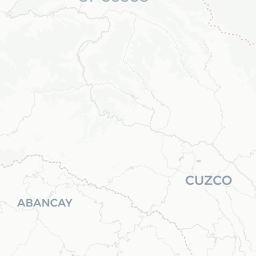
Pongobamba is a small rural community in the Cuzco Department of Peru, situated at high altitude in the Andean landscape east of Cusco city. With a registered population of roughly 550 people, it is a working agricultural village rather than a tourist destination in the conventional sense. Residents are predominantly Quechua-speaking and maintain livelihoods centered on subsistence farming, potato and maize cultivation, and herding.
The village sits within the broader orbit of the Sacred Valley of the Incas (Valle Sagrado), meaning visitors passing through the region may encounter Pongobamba while traveling between better-known towns. The surrounding terrain — terraced hillsides, open puna grassland, and views of distant snow-capped peaks — is characteristic of this part of the Andes.
Travelers who do stop here are generally those with a specific interest in rural Andean life, community-based tourism, or trekking routes that cross the area. Expectations should be calibrated accordingly: Pongobamba has limited to no formal tourism infrastructure, and that is precisely part of its appeal for those seeking an unmediated experience of highland Peru.
Before You Go
Altitude
Pongobamba sits at high altitude in the Cuzco Department. Visitors should acclimatize properly before arriving — ideally spending at least two full days in Cusco city (3,400 m / 11,150 ft) or the Sacred Valley before venturing into smaller, potentially higher villages. Symptoms of altitude sickness include headache, nausea, and breathlessness; ascend slowly, stay hydrated, and consult a doctor if symptoms are severe.
Visas
Peru's entry requirements vary by nationality. For current, authoritative information, check TravelerPulse's Visas section and the official Peruvian immigration authority (Superintendencia Nacional de Migraciones) website before booking travel.
What to bring
- Layered clothing: Andean temperatures swing dramatically between day and night year-round
- Sun protection (sunscreen, hat, sunglasses): UV intensity at altitude is high
- Cash in Soles: there are no ATMs or card facilities in a village of this size; bring sufficient cash from Cusco or Pisac
- Basic medications and a small first-aid kit, as the nearest pharmacy will be in a larger town
- Water purification method or bottled water
Getting There
Pongobamba is not served by any direct public transit from Cusco city. The practical approach is to travel to a nearby hub — such as Pisac or Calca — by colectivo (shared minivan) or bus from Cusco's Qorikancha or Puputi bus terminals, then continue onward by local colectivo, taxi, or on foot depending on the exact route.
Roads in this part of the Sacred Valley corridor can be unpaved and in poor condition during the wet season (November through April). A 4WD vehicle is advisable if driving independently. Verify current road conditions locally before departure, particularly after heavy rainfall.
For travelers on an organized tour, some community-based tourism operators based in Cusco include rural village stops in their Sacred Valley itineraries. This can be a convenient way to visit without logistical uncertainty. Verify schedules and pick-up points directly with any operator.
Getting Around
Pongobamba itself is small enough to explore entirely on foot. There is no local transportation infrastructure within the village. Paths between agricultural terraces and surrounding slopes are walkable but can be steep and uneven — sturdy footwear is essential.
If you need to move between Pongobamba and neighboring communities, your options are typically negotiated taxi rides or walking along rural tracks. Ask locally about current path conditions and distances, as information on the ground will be more reliable than any published source.
Where to Stay
Pongobamba has no hotels, hostels, or formally listed accommodation. Overnight stays, if possible at all, would be through community homestay arrangements organized in advance via a Cusco-based community tourism network or NGO. Do not arrive expecting to find a room.
The practical base for visiting is either Pisac, Calca, or Cusco city, all of which have a range of accommodation options at various price points. Verify availability and current options directly with properties or a reliable booking platform before travel.
Things to See & Do
Rural Andean Landscape
The primary draw of Pongobamba is the landscape and the experience of being in a functioning Quechua agricultural community. Walking the terraced fields and observing traditional farming practices — including the cultivation of native potato varieties and maize — offers genuine insight into Andean life that is difficult to find in more visited towns.
Trekking
The hills and valleys around Pongobamba are accessible on foot and form part of the broader network of Andean trails in the Sacred Valley region. No formal marked trails or guided trekking infrastructure exists here specifically; hikers should be self-sufficient, carry maps, and ideally hire a local guide arranged through a Cusco-based agency or community contact.
Community Interaction
If you are interested in community-based tourism — such as participating in agricultural activities, learning about traditional weaving, or sharing a meal with a local family — inquire with Cusco-based community tourism organizations before arriving. Do not assume access or participation without prior arrangement, and approach all interactions with respect for residents' privacy and daily routines.
Photography
The landscape and village scenery are photogenic. Always ask permission before photographing people, and be prepared that some community members may decline or request a small payment — both responses are entirely legitimate.
Food & Drink
There are no restaurants or cafés in Pongobamba. Travelers should bring their own food and water for any visit. If you are staying overnight through a community arrangement, meals may be included — confirm this in advance.
The nearest reliable food options are in larger towns in the Sacred Valley such as Pisac or Calca, which have markets, small restaurants, and basic grocery shops. Stock up before heading out to rural communities. Tap water throughout rural Peru should be treated as non-potable; use bottled or purified water for drinking.
Practical Information
Connectivity
Mobile coverage in small Andean villages is unreliable and may be absent entirely. Do not depend on GPS navigation or data connectivity once away from major towns. Download offline maps before departure.
Emergency Services
In a community of this size, formal emergency services are not immediately accessible. The nearest hospital-level care is in Cusco city. Carry a basic first-aid kit and travel insurance that covers medical evacuation — this is strongly recommended for travel to remote Andean areas. For emergency numbers in Peru, verify current contacts through official Peruvian government sources before travel.
Respectful Conduct
- Pongobamba is a working community, not a living museum. Engage with residents as you would with any neighbor — politely and without assumption.
- Dress modestly, particularly if visiting during any local festival or community event.
- Dispose of waste responsibly; there is no municipal waste collection in villages of this size. Carry out what you bring in.
Local Culture & Etiquette
Quechua culture is the foundation of daily life in Pongobamba. The community observes a calendar of agricultural and religious festivals, many of which blend Catholic traditions introduced during the colonial period with older Andean spiritual practices. If your visit coincides with a local celebration, you may be welcomed as an observer — exercise discretion and follow the lead of residents.
Quechua (specifically the southern Cusco dialect, Quechua Sureño) is spoken as a first language by many residents. Learning a few basic phrases — such as allianchu (hello, how are you) and sulpayki (thank you) — is appreciated and signals genuine respect. Spanish is also understood by most adults.
Traditional textile practices remain alive in communities across this region. Handwoven textiles using natural dyes and Andean motifs are culturally significant, not simply decorative. If you purchase textiles, buying directly from producers — rather than through intermediaries in tourist markets — ensures the artisan receives fair value for their work.