Overview
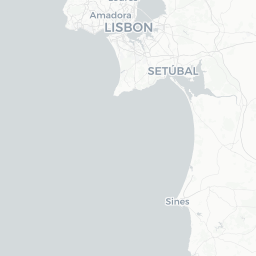
Bairro Alto — literally "Upper Quarter" — sits on one of Lisbon's seven historic hills, west of Chiado and directly above the Tagus-facing slopes of Bica. Its street plan dates to the late 16th century, a rare surviving example of Renaissance urban planning in Portugal, and its narrow one-way lanes have changed little since. During the day the neighbourhood is quiet: shuttered bars, small grocers, independent clothing shops, and the occasional art gallery. After dark it becomes one of southern Europe's most concentrated nightlife districts, with dozens of bars opening onto the street and crowds spilling out onto the cobblestones.
The neighbourhood has long attracted artists, writers, and musicians. Several traditional fado houses operate here, making Bairro Alto one of the better places in Lisbon to hear this UNESCO-recognised musical form in an intimate setting rather than a large tourist venue. The area also borders Príncipe Real to the north, a slightly more residential and upscale quarter, and Chiado to the east, known for bookshops, theatres, and cafés.
Bairro Alto is small enough to walk end to end in under fifteen minutes, which means its character is best absorbed slowly — sitting at a miradouro (viewpoint), following the sound of a guitar, or simply watching the neighbourhood shift from sleepy afternoon to animated night.
Before You Go
Portugal is a Schengen Area member state. Entry requirements vary by nationality. For accurate, up-to-date visa and entry information, check TravelerPulse's Visas section and the official Portuguese immigration authority (SEF / AIMA — verify the current authority name and URL before travel).
What to pack:
- Comfortable, grippy-soled shoes. Bairro Alto's cobblestones are steep and can be slippery, especially after rain or in the early hours.
- A light jacket even in summer; Lisbon evenings can be cool, particularly on the hilltop.
- Cash. Many smaller bars and fado houses operate cash-only or have card minimums; verify when you arrive.
Health and insurance: EU/EEA travellers should carry a valid European Health Insurance Card (EHIC). All other travellers should arrange comprehensive travel health insurance before departure. Prescription medications should be carried in original packaging with documentation.
Getting There
Bairro Alto has no direct rail or metro station but is easily reached from the rest of Lisbon on foot or by public transit.
From Lisbon Humberto Delgado Airport: The Aeroporto metro station connects to Baixa-Chiado station (Green Line), from which Bairro Alto is a short uphill walk or a short ride on tram or bus. Taxis and ride-hailing apps (Uber, Bolt, and Free Now all operate in Lisbon) are a straightforward option with luggage. Verify current metro fares and routes with Carris Metropolitana or the Lisboa metro operator before travel.
Within Lisbon: The Baixa-Chiado metro station (Green and Blue lines) is the most convenient metro access point. From there, Rua do Carmo leads up toward Chiado and the edge of Bairro Alto. The historic Elevador da Glória funicular climbs from Praça dos Restauradores to the top of Bairro Alto — verify current operating status locally, as funiculars in Lisbon periodically close for maintenance. Several Carris bus routes also pass nearby; check the Carris route planner for current options.
Getting Around
Bairro Alto is a walking neighbourhood. Its grid is compact, most streets are pedestrianised in practice if not officially, and the terrain — though hilly — is manageable on foot for most visitors. The steepest descents toward Bica are served by the Elevador da Bica funicular; verify operating hours locally.
For travel to other Lisbon neighbourhoods, the Carris tram and bus network and the Lisbon Metro are the main options. Taxis and ride-hailing apps are widely available. A rechargeable Viva Viagem card (available at metro stations) can be loaded with a 24-hour or multi-trip pass and works across metro, tram, and most bus lines — confirm current pricing at ticket offices.
Things to See & Do
Fado
Bairro Alto has several traditional fado houses where you can hear live performances, typically in the evenings. Fado is a Portuguese musical genre recognised by UNESCO as Intangible Cultural Heritage. Some venues require a dinner reservation; others charge a music cover. Verify the current schedule and booking policy directly with any venue you intend to visit.
Miradouros (Viewpoints)
The neighbourhood sits adjacent to two well-known viewpoints. Miradouro de São Pedro de Alcântara, at the top of the Elevador da Glória route, offers a broad panorama over the Baixa and the castle hill. Miradouro do Adamastor (also called Miradouro de Santa Catarina) is a short walk south and popular with locals in the late afternoon. Both are free and open-air.
Daytime Exploration
During the day, the quieter streets reward slow walking. Independent bookshops, vintage clothing stores, small galleries, and neighbourhood grocers sit alongside religious buildings and residential houses. The Igreja de São Roque church, on the western edge of the neighbourhood near Largo Trindade Coelho, contains one of the most elaborate baroque interiors in Lisbon; entry to the church is free, though the attached museum charges a fee — verify current admission.
Nightlife
From roughly 10 pm onward, Bairro Alto's bars open their doors wide and pedestrian traffic grows significantly. The neighbourhood is primarily a bar district rather than a club district; music tends to come from inside small venues rather than large stages. Noise levels on the main streets are high late at night.
Food & Drink
Bairro Alto's food and drink scene divides clearly between daytime and night. During the day, the neighbourhood has a modest selection of neighbourhood tascas (traditional Portuguese taverns), cafés, and a few more contemporary restaurants near the Chiado border. Portions in tascas tend to be generous and menus often feature bacalhau (salt cod) dishes, grilled fish, and daily specials.
In the evening, fado house dinners are available at various restaurants that combine a set menu with live music; these tend to be at a price premium and advance reservation is generally recommended. Several wine bars focused on Portuguese regional wines — particularly natural wines from Alentejo, Dão, and Douro — have opened in and around Bairro Alto in recent years.
Late-night food options within the neighbourhood itself are limited; neighbouring Chiado and the Cais do Sodré area (a short walk downhill) have more variety for eating after midnight. Bica coffee (a short, strong espresso) is the standard daytime order at any café counter and is typically cheaper consumed standing at the bar than seated at a table.
Shopping
Shopping in Bairro Alto skews toward independent and specialist retailers rather than chains. The neighbourhood has long been associated with alternative fashion and vintage clothing; a number of small shops in this category operate on and around Rua do Norte and Rua da Atalaia. Record shops, small design studios, and craft-focused stores are scattered throughout.
For more conventional retail, Chiado — immediately to the east — has department stores, international brands, and the well-known Livraria Bertrand, recognised as the world's oldest operating bookshop (verify current status on-site). The Mercado da Ribeira (Time Out Market) is a short walk downhill in Cais do Sodré and combines a food hall with some retail stalls.
Practical Information
Money: ATMs are available nearby in Chiado and Baixa. Smaller bars in Bairro Alto frequently operate cash-only or have card minimums; it is practical to carry some cash in the evening.
Noise and hours: The neighbourhood is genuinely loud on Thursday, Friday, and Saturday nights from around 11 pm until the early hours. If you are staying within Bairro Alto itself, factor this into accommodation choices.
Accessibility: The cobblestone streets and steep gradient make Bairro Alto difficult for wheelchair users and those with limited mobility. There are few kerb cuts and no lifts on the main pedestrian routes. The Elevador da Glória provides an alternative to the steepest ascent but verify current accessibility specifications locally.
Emergency contacts: The pan-European emergency number is 112 (police, ambulance, fire). For non-emergency police matters involving tourists in Lisbon, the PSP tourist support line can be found via the PSP official website — verify the current number before travel.
Pharmacies: Look for the green cross sign. Portuguese pharmacies (farmácias) are well-stocked and staff frequently speak English. After-hours duty pharmacy information is posted on the door of closed pharmacies.
Safety
Bairro Alto is a generally safe neighbourhood, though common urban precautions apply, particularly during busy weekend nights when crowds are large and pickpocketing risk increases. Keep bags closed and close to your body, avoid displaying expensive items openly, and be aware of your surroundings in the densest street areas after midnight.
The steep, wet cobblestones are a genuine hazard. Slips and falls are not uncommon, especially in inappropriate footwear or after drinking. This is worth taking seriously.
Alcohol consumption on the street is common and broadly tolerated, but open containers are subject to local ordinances that can change; verify current rules locally. Avoid confrontations with individuals who appear aggressive; the Portuguese police (PSP) are present in the area on weekend nights.
Local Culture & Etiquette
Bairro Alto's identity is rooted in contrast: a 500-year-old street plan that by night becomes one of Europe's liveliest bar districts, and a neighbourhood that has housed both working-class residents and Lisbon's bohemian intelligentsia across different eras. The printing industry was historically concentrated here, which gave the area an association with political pamphleteers and literary culture going back to the 18th century.
Fado is the neighbourhood's most significant cultural export. The genre — melancholic in character, built around themes of saudade (a Portuguese concept of longing or nostalgia), fate, and the sea — was inscribed on the UNESCO Intangible Cultural Heritage list in 2011. Attending a fado performance in a small Bairro Alto venue rather than a large tourist production is generally considered a more authentic experience, though quality and authenticity vary; asking locally for recommendations is worthwhile.
Portuguese social life tends to happen late. Dinner before 8 pm is unusual for locals; bars fill after 10 pm; fado performances often begin after 9 or 10 pm and continue past midnight. Adapting to this rhythm will make the neighbourhood more legible and enjoyable.