Overview
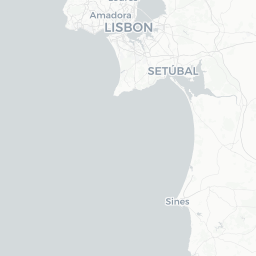
Colares is a small village and civil parish on Portugal's Atlantic coast, roughly 35 kilometres west of Lisbon in the municipality of Sintra. It sits at the edge of the Sintra-Cascais Natural Park, where the Serra de Sintra foothills meet a coastal plain of market gardens, orchards, and vineyards that have been cultivated for centuries.
The village is best known among wine enthusiasts for the Colares DOC, one of Portugal's oldest protected wine appellations. Its sandy, phylloxera-resistant soils allowed vines—particularly the red Ramisco grape—to survive the 19th-century blight that devastated most of Europe's vineyards. Very small quantities of Colares wine are still produced, making it a genuine rarity.
Beyond wine, Colares offers a quieter, less commercialised alternative to nearby Sintra. The surrounding area includes the beach towns of Praia das Maçãs and Azenhas do Mar, historic manor houses, and easy access to walking trails within the natural park. Visitors looking for authenticity and Atlantic scenery tend to find it rewarding.
Before You Go
Visas
Portugal is a member of the European Union and the Schengen Area. Visa requirements depend on your nationality and travel circumstances. Check TravelerPulse's Visas section for general guidance, and consult the official Portuguese immigration authority (SEF/AIMA) or your nearest Portuguese consulate for requirements specific to your situation.
What to Pack
- Comfortable walking shoes suitable for uneven cobblestones and nature trails
- Layers: Atlantic breezes keep temperatures cooler than inland Lisbon even in summer
- Sunscreen and a hat for beach days on the exposed coastline
- Cash: smaller establishments in the village may not accept cards; verify locally
Health
No vaccinations are required for travel to Portugal beyond standard up-to-date routine immunisations. EU visitors should carry their European Health Insurance Card (EHIC). Non-EU travellers should arrange comprehensive travel health insurance before departure.
Getting There
From Lisbon
Colares is most commonly reached by bus from Lisbon's Cascais line train stations. Scotturb buses connect Cascais and Sintra with Colares and nearby coastal villages; verify current routes and timetables at the Scotturb website or locally before travel, as schedules vary seasonally.
By train, the Cascais line from Cais do Sodré station in Lisbon runs to Cascais, from which bus connections toward Colares are available. The Sintra line from Rossio station reaches Sintra, also with onward bus options.
By Car
Driving is the most flexible option. The IC19/A37 or the EN247 coastal road from Cascais (the Estrada do Guincho) are the main approaches. Parking in the village centre is limited; arrive early in summer months. Journey time from central Lisbon is typically 45–60 minutes depending on traffic.
Getting Around
Colares village is small enough to explore on foot. The centre—including the main square, church, and local shops—can be covered in a leisurely walk.
To reach the nearby beaches of Praia das Maçãs, Azenhas do Mar, and Praia Grande, a car or local bus is needed, as distances of several kilometres make walking impractical for most visitors. Scotturb operates local routes; verify schedules on arrival or at the bus stop notice boards.
Bicycle hire is available in the broader Sintra area (verify availability locally), and some cyclists use the coastal routes, though roads can be narrow and hilly.
Things to See & Do
Wine and the Colares DOC
The Colares wine appellation is the village's most distinctive cultural asset. The Adega Regional de Colares, a historic cooperative winery, has been central to the appellation's survival. Visits and tastings may be available; verify current opening arrangements directly with the cooperative before visiting, as production is very limited and hours can vary.
Beaches
- Praia das Maçãs: The nearest beach to the village, a small resort with cafés, accessible by the historic tram (Eléctrico de Sintra) from Sintra on summer weekends—verify operational dates and times locally or at the Sintra tourism office.
- Praia Grande: A wide, surf-friendly Atlantic beach a short drive south.
- Azenhas do Mar: A scenic cliffside village with a saltwater pool carved into the rocks; best appreciated at lower tide.
Nature and Walking
The Sintra-Cascais Natural Park surrounds Colares and offers marked walking trails through pine and eucalyptus woodland, with views over the Atlantic. The park also protects significant biodiversity and a stretch of one of the westernmost coastlines in continental Europe.
Igreja de São João Baptista
The parish church in the village centre dates to the post-earthquake rebuilding period of the 18th century and is typical of the modest religious architecture found throughout rural Sintra municipality.
Food & Drink
Colares has a small number of local restaurants and cafés serving traditional Portuguese cuisine. Expect grilled fish, seafood rice dishes, and local cheeses and charcuterie. The proximity to the Atlantic means fresh fish is generally a reliable choice.
The Colares wine—particularly the red Ramisco—is a rare find even in Portugal; if you encounter it on a wine list or at the local cooperative, it is worth trying given how little is produced annually.
For broader dining options, Sintra and Cascais both have well-developed restaurant scenes accessible by car or bus. Reservations are advisable in peak summer months at more popular venues in those towns.
Practical Information
Money
ATMs are not always available in very small villages; bring sufficient cash from Lisbon, Sintra, or Cascais. Verify card acceptance at individual establishments.
Connectivity
Mobile coverage (4G/5G) is generally available from major Portuguese operators. Free Wi-Fi is not guaranteed in smaller cafés; verify locally.
Emergency Numbers
In Portugal, the general emergency number is 112 (police, fire, medical). The nearest hospitals with emergency departments are in Sintra or Cascais.
Tourist Information
The Sintra municipality tourism office can provide maps, transport information, and current event listings for the broader area including Colares. Verify their location and hours before visiting.
Safety
Colares and the surrounding area are generally considered safe for travellers. Standard precautions apply: keep valuables secure, be aware of your surroundings in car parks, and do not leave items visible in parked vehicles.
The Atlantic coast here is exposed to strong swells and currents, particularly at Praia Grande and other open beaches. Always observe posted beach safety flags—red means swimming is prohibited—and follow instructions from lifeguards, who are typically present at main beaches during the summer season. Verify lifeguard coverage locally.