Overview
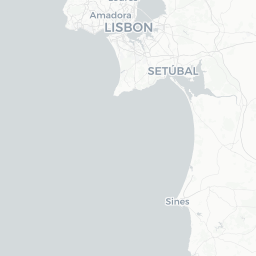
Azoia is a small rural village of roughly 2,300 residents situated within the Sintra-Cascais Natural Park, in the Lisbon district of Portugal. It sits on the Atlantic-facing slopes of the Serra de Sintra, just inland from Cabo da Roca — the westernmost point of the European continent. Despite its modest size, Azoia occupies a position of genuine geographic significance, and its surrounding landscape of windswept scrubland, granite outcrops, and sea cliffs draws visitors travelling between Sintra and Cascais.
The village itself is quiet and largely residential, without the heavily commercialised character of nearby Sintra or Cascais. What it offers instead is a sense of the raw, unhurried Atlantic edge of Portugal: hiking trails, panoramic ocean views, and proximity to one of the country's most iconic natural landmarks. It is best understood as a base point or a pause on a longer coastal itinerary rather than a self-contained destination.
Because Azoia falls within the protected natural park boundary, development is restricted, which preserves both the landscape character and the village's small-scale atmosphere. Travellers who seek dramatic coastal scenery without crowds will find the area around Azoia genuinely rewarding.
Before You Go
Azoia is a very small village with minimal tourist infrastructure. There are no large hotels, and amenities such as ATMs, pharmacies, and large supermarkets are not present in the village itself — plan accordingly and carry cash or stock up in Cascais or Sintra before arriving.
The coastal cliffs near Cabo da Roca are exposed and can be dangerous in wet or windy conditions. The Atlantic wind is persistent year-round; even on sunny days, bring a windproof layer. Sun protection is important in summer, as shade is limited on the open headland trails.
Visas
Portugal is a Schengen Area member state. Entry requirements vary depending on your nationality. For accurate and current visa information, visit TravelerPulse's Visas section and consult the official Portuguese immigration authority (SEF / AIMA) or your nearest Portuguese consulate before travel.
Travel insurance that covers outdoor activities and medical evacuation is advisable given the remote, clifftop nature of the main attractions in the area.
Getting There
The nearest international airport is Lisbon Humberto Delgado Airport (LIS), approximately 50–55 km to the east. From Lisbon, the most practical approach is by car: the A5 motorway toward Cascais, followed by regional roads through the natural park, puts Azoia roughly an hour from the city centre depending on traffic.
Public transport is possible but requires planning. Sintra is accessible from Lisbon by suburban train (Linha de Sintra), and from Sintra bus services operated by Scotturb connect to Cabo da Roca and pass through or near Azoia. Cascais is also served by train from Lisbon (Linha de Cascais), and bus routes run from Cascais through the park toward Cabo da Roca. Verify current timetables with Scotturb or locally before travel, as schedules are subject to change and frequency is limited, particularly in the off-season.
Renting a car in Lisbon or Cascais gives the most flexibility for exploring this stretch of coastline, where distances between points of interest are short but public connections are infrequent.
Getting Around
Within and around Azoia, travel is best done on foot or by car. The roads in the natural park are narrow and winding, but parking is generally available near Cabo da Roca (verify current arrangements locally, as management of visitor parking at the cape has evolved in recent years).
Several marked hiking trails cross the area, connecting Azoia with Cabo da Roca, Praia do Guincho, and the broader Sintra-Cascais Natural Park trail network. These trails vary in difficulty; the coastal paths involve uneven terrain and exposure to wind. Cycling is possible on some routes but the terrain and road conditions require care. There is no local taxi rank in Azoia itself — arrange transport in advance if needed, or use a rideshare app from Cascais or Sintra.
Things to See & Do
Cabo da Roca
The primary draw of the area is Cabo da Roca, a dramatic granite headland that marks the westernmost point of continental Europe at approximately 140 metres above the Atlantic. The cape has a small lighthouse and a visitor facility where you can obtain a certificate of having stood at the continent's western edge. The coastal scenery — sheer cliffs, crashing surf, and unobstructed ocean horizon — is genuinely striking. Go early in the morning or on weekdays to avoid the largest tour groups.
Hiking in Sintra-Cascais Natural Park
The trails surrounding Azoia traverse open Atlantic scrubland (mato), with native flora including tree heath and rockrose. Routes connect southward toward Praia do Guincho and northward into the Serra de Sintra. Trail conditions and markings vary; consult the Sintra-Cascais Natural Park authority or pick up a trail map locally before setting out.
Praia do Guincho
About 8–9 km south of Azoia by road, Guincho is a wide, undeveloped Atlantic beach within the natural park, popular with windsurfers and kitesurfers due to its reliable winds. Swimming conditions can be rough — pay attention to posted flags and lifeguard instructions. The beach was featured in the 1969 James Bond film On Her Majesty's Secret Service, a detail of mild interest to film enthusiasts.
Birdwatching
The coastal scrubland and cliff edges around Azoia are good habitat for species including stonechats, Dartford warblers, and various raptors. The cape itself is a noted migration watchpoint in autumn.
Food & Drink
Azoia has very limited dining options; the village is residential in character. A small number of local establishments have operated in or near the village, but availability and hours change — verify locally before making plans around a specific meal.
Cabo da Roca has historically had a small café and facilities, but again, verify current operation before depending on it. For a broader range of restaurants, Cascais (roughly 18 km south) offers everything from traditional Portuguese seafood tascas to more contemporary dining, and Sintra (roughly 12–15 km northeast) is well-supplied with cafés and restaurants. Local specialities worth seeking out in the wider region include caldeirada (fish stew), percebes (barnacles harvested from Atlantic rocks), and the famous travesseiros and queijadas pastries of Sintra.
Practical Information
- Emergency number: 112 (universal emergency number in Portugal, covers police, fire, and medical)
- Nearest hospitals and pharmacies: Located in Cascais and Sintra; do not expect medical facilities in Azoia itself
- Connectivity: Mobile coverage (Portuguese networks) generally reaches the area, though signals may be patchy on exposed clifftops
- Cash: Bring sufficient cash from Cascais or Sintra; there are no ATMs in the village
- Facilities at Cabo da Roca: A small visitor centre has historically provided toilets and a certificate-issuing service; verify current operating hours before visiting
- Natural park rules: Azoia sits within a protected natural park. Stay on marked trails, do not pick vegetation, and do not approach cliff edges beyond designated viewpoints
- Driving: Roads through the park are narrow; drive carefully and respect speed limits
Safety
The main safety considerations in this area are natural rather than security-related. Cliff edges at Cabo da Roca and along coastal trails are unfenced in many places; keep a safe distance and exercise particular caution with children and in wet or windy conditions. The Atlantic here is powerful — do not climb down to rocks at the water's edge.
Overall personal safety in the Azoia and Sintra-Cascais area is good. Petty theft from unattended vehicles at trailheads and parking areas does occur, as it does at popular natural sites across Europe — do not leave valuables visible in parked cars. The area is generally quiet and rural, and serious crime is uncommon.
Local Culture & Etiquette
Azoia is a working rural village, not a tourist attraction in itself. Residents go about daily life largely unaffected by the visitors passing through to Cabo da Roca. Respectful, low-impact behaviour is appropriate: keep noise levels down in the village, ask before photographing people, and buy locally if you do stop.
Portuguese greetings go a long way — a simple bom dia (good morning) or boa tarde (good afternoon) is standard courtesy. English is understood in tourist-facing contexts in Cascais and Sintra, but in a small village like Azoia, some basic Portuguese phrases will be appreciated and practically useful.