Overview
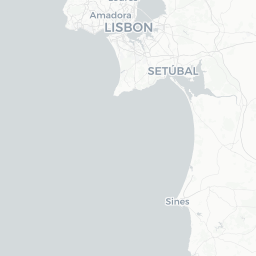
Cobre is a small civil parish (freguesia) in the municipality of Sintra, within the broader Lisbon district of Portugal. With a registered population of roughly 1,300 people, it sits in the rolling countryside west of Lisbon, in a zone where suburban development, Atlantic pinewood, and smallholdings coexist.
The settlement is not a conventional tourist destination in its own right. Most visitors who pass through or stay nearby are drawn to the wider Sintra municipality — home to UNESCO-listed palaces, forested hillsides, and some of Portugal's most scenic Atlantic coastline — and use quieter localities like Cobre as an affordable, lower-key base.
If you are seeking an authentic, unhurried glimpse of everyday Portuguese village life just a short drive or train ride from central Lisbon, Cobre and its immediate surroundings can provide that, especially when paired with day trips to Sintra town, Cascais, or the beaches of the Estoril Coast.
Before You Go
Visas
Portugal is a Schengen Area member. Visa requirements vary significantly by nationality. For current rules applicable to your passport, check TravelerPulse's Visas section and the official Portuguese immigration authority (SEF / AIMA). Do not rely on outdated third-party summaries.
What to pack
- The Atlantic coast brings wind even on sunny days; a light layer is useful year-round.
- Comfortable walking shoes are advisable; village lanes and surrounding paths are often uneven.
- Public transport coverage in small parishes is limited — if you plan to explore beyond train corridors, a hire car or reliable rideshare access is worth arranging in advance.
Health
No destination-specific vaccinations are required beyond standard travel health advice for Western Europe. EU/EEA citizens should carry their EHIC/GHIC card. Non-EU visitors should ensure they have adequate travel health insurance. Verify current requirements with your own health authority before travel.
Getting There
From Lisbon
The nearest major transport hub is Lisbon (Humberto Delgado Airport, IATA: LIS), approximately 25–35 km east depending on your exact route. From the airport, access to the Sintra municipality is most commonly via Lisbon's urban rail network: the Sintra Line (Linha de Sintra) runs from Lisbon Oriente and Rossio stations and reaches Sintra town in roughly 40 minutes. Cobre itself does not have a dedicated rail station; the nearest stops are in the broader Sintra municipality — verify current station proximity and local bus connections locally or via Transportes Metropolitanos de Lisboa (TML) and Carris Metropolitana route planners.
By road
Cobre is reachable by car via the A16 and connecting regional roads from Lisbon. Journey times vary by traffic; the Lisbon–Sintra corridor can experience significant congestion during morning and evening rush hours and on summer weekends. A hire car gives the most flexibility for exploring the surrounding area.
By bus
Carris Metropolitana operates bus services across the Sintra municipality. Routes, frequencies, and stops serving the Cobre area should be verified on the official Carris Metropolitana website or app, as schedules change seasonally.
Getting Around
Within Cobre itself, distances are short enough to cover on foot. For reaching neighbouring villages, the coast, or Sintra town, you will need onward transport.
- Car hire: Picked up at Lisbon Airport or in Sintra town, a hire car is the most practical way to move between small parishes and coastal beaches.
- Local buses: Carris Metropolitana connects settlements across the Sintra municipality, but frequencies in rural areas can be low — verify timetables in advance.
- Taxis and rideshare: Uber and Bolt operate in the wider Sintra–Lisbon corridor, though availability in small villages may be less reliable than in urban centres. Having the app ready before you need a ride is advisable.
- Cycling: The terrain between Cobre and the coast involves hills; e-bikes are an increasingly popular option and can be hired in Sintra town or Cascais — verify current hire outlets locally.
Things to See & Do
Cobre itself is a quiet residential settlement without dedicated visitor attractions. Its value lies in its position within one of Portugal's most rewarding day-trip corridors.
Sintra Town and Palaces
Less than 10 km away, UNESCO World Heritage–listed Sintra is famous for its Romantic-era palaces set in forested hills: the Palácio Nacional de Sintra, Palácio da Pena, Quinta da Regaleira, and Palácio de Monserrate are among the most visited. Opening hours and admission prices vary by site and season — check each palace's official website before visiting.
Atlantic Coastline
The coastline of the Sintra-Cascais Natural Park is within easy reach. Beaches such as Praia Grande, Praia das Maçãs, and Praia da Ursa (note: Ursa is a wild, clifftop beach with no facilities and a difficult access path) draw visitors for surfing, walking, and swimming. Atlantic currents can be strong — observe local safety flags at all times.
Walking and nature
The surrounding countryside offers informal walking routes through pinewoods and farmland. The Sintra-Cascais Natural Park has marked trails; maps and information are available at the park's visitor centres. Verify trail conditions locally, particularly after wet weather.
Cascais
The coastal town of Cascais, roughly 20 km south, has a well-preserved historic centre, a marina, museums, and a strong café culture — making it a complementary half-day or full-day excursion.
Food & Drink
Cobre does not have a significant independent dining scene given its size. Residents and visitors typically rely on nearby Sintra town, Cascais, or the village of Colares for restaurants and cafés.
Local food culture
The Sintra area has its own celebrated pastry: the travesseiro (a puff pastry filled with almond cream) and the queijada de Sintra (a small cheese and egg custard tart). Both are strongly associated with Sintra's historic centre bakeries and are worth trying on a day trip.
The Colares wine region, immediately adjacent, produces small-quantity wines — particularly reds made from the Ramisco grape — that are historically significant and rarely exported. A visit to a local producer or a restaurant with a Colares wine list is worthwhile for wine-curious travellers; verify current visiting options locally.
Practical notes
If you are self-catering, local markets and supermarkets in Sintra town and surrounding areas stock fresh produce, regional cheeses, cured meats, and bread. Portugal's tap water is generally safe to drink, though many locals prefer bottled water.
Practical Information
Emergency numbers
- General emergency (police, fire, ambulance): 112 (EU-wide)
- Verify any additional local non-emergency contacts on arrival.
Connectivity
Mobile coverage (4G/5G) from major Portuguese carriers is generally good across the Sintra municipality, including rural areas, though it can drop in valleys or dense forest. Free Wi-Fi is available in many cafés and in Sintra town's public spaces.
Money
Cobre and surrounding villages operate almost entirely on euros. Card payment is widely accepted in shops, restaurants, and tourist sites across Portugal, though carrying a small amount of cash is sensible for very small local vendors or market stalls.
Electricity
Portugal uses Type F (Schuko) two-pin round plugs, 230V / 50Hz. Travellers from the UK, US, or other regions should bring appropriate adaptors.
Language
Portuguese is the sole official language. In rural parishes like Cobre, English proficiency is variable; in tourist-facing businesses in Sintra and Cascais it is generally solid. A few words of Portuguese — obrigado/a (thank you), por favor (please), com licença (excuse me) — are appreciated.
Safety
The Sintra–Lisbon region is generally considered safe for travellers. Cobre is a quiet residential settlement with very low reported crime.
The main safety considerations for visitors are practical rather than security-related:
- Coastal swimming: Atlantic currents off the Sintra coast can be powerful and unpredictable. Always swim at beaches with lifeguard cover and observe the coloured flag system. Several beaches in the area are unpatrolled.
- Forest fire risk: The Sintra-Cascais area, like much of central Portugal, faces elevated wildfire risk during hot, dry summer months (July–August in particular). Follow local authority guidance, do not light fires in natural areas, and check regional alerts if visiting during this period.
- Road safety: Narrow country lanes around Cobre and the Sintra hills can be challenging; drive carefully, especially after rain when road surfaces become slippery.
For current travel advisories, check your own government's foreign travel advice portal before departure.