Overview
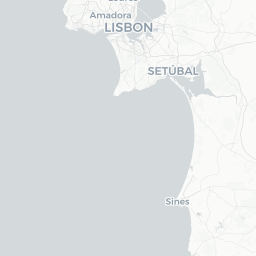
Massamá is a residential district in the municipality of Sintra, situated on the western edge of the Greater Lisbon area. With a population of around 28,000, it functions primarily as a commuter suburb, offering a quieter, more affordable alternative to living or staying in central Lisbon while remaining well connected to the capital by public transport.
The neighbourhood developed significantly from the 1980s onward as Lisbon expanded outward, and its landscape reflects that era: broad avenues, apartment blocks, local commerce, and community parks. It lacks the grand monuments of Lisbon proper, but that is precisely its appeal for travellers seeking an authentic slice of everyday Portuguese suburban life at a more manageable pace and cost.
For most visitors, Massamá serves as a practical base rather than a destination in itself. Its proximity to Queluz, Sintra, and central Lisbon makes it a sensible staging point, particularly for travellers prioritising budget accommodation or visiting friends and family in the area.
Before You Go
Visas
Portugal is a member of the Schengen Area. Visa requirements vary significantly depending on your nationality. Check TravelerPulse's Visas section for general guidance, and verify your specific requirements with Portugal's official immigration authority (SEF/AIMA) or your nearest Portuguese consulate well in advance of travel.
Health
No vaccinations are specifically required for Portugal. European Union citizens should carry a European Health Insurance Card (EHIC). All other travellers are strongly advised to arrange comprehensive travel health insurance before departure. Tap water in the Lisbon region is generally safe to drink, though many locals prefer bottled water.
What to Pack
- Comfortable walking shoes — pavements can include cobblestones
- A light jacket year-round; evenings can be cool even in summer
- Sun protection for spring and summer months
- A reusable transport card (Viva Viagem) can be topped up locally for metro and train travel
Getting There
By Air
Lisbon Humberto Delgado Airport (LIS) is the closest international airport, located roughly 20–25 km east of Massamá. From the airport, the most straightforward route to Massamá is by metro to Oriente or Alameda station, then connecting to the Sintra line (Linha de Sintra) commuter rail toward Massamá-Monte Abraão station. Verify current timetables and connections with Comboios de Portugal (CP) and the Lisbon Metro (Metropolitano de Lisboa) before travel.
By Train
Massamá–Monte Abraão is a station on the CP Sintra commuter line, which runs frequently between Sintra and Lisboa Rossio and Lisboa Oriente. This is the most practical link between Massamá and central Lisbon. Journey times to Rossio are typically under 30 minutes, but verify current schedules at cp.pt.
By Bus
Carris Metropolitana operates bus routes serving the Massamá area, connecting it to neighbouring districts and transport hubs. Routes and frequencies change periodically; check carrismetropolitana.pt for current information.
By Car
Massamá is accessible via the A37 and IC19 roads. Parking availability in residential streets is variable; verify parking rules locally.
Getting Around
Massamá itself is walkable for day-to-day errands within each residential cluster, though the district's layout means some areas are more pedestrian-friendly than others. Hills and stepped paths exist in parts of the neighbourhood.
The Massamá–Monte Abraão train station is the primary hub for onward travel. Frequent CP Sintra line services make it straightforward to reach central Lisbon (Rossio), Queluz-Belas, or continue west to Sintra. Validate your Viva Viagem card before boarding; fare inspection is routine.
Local bus services fill gaps between the railway station and residential pockets not directly served by train. Taxis and rideshare apps (Uber and Bolt both operate in the Greater Lisbon area) are available for door-to-door journeys, particularly useful late at night or with luggage.
Things to See & Do
Massamá does not have major tourist attractions of its own, and travellers should set expectations accordingly. The district's value lies in its convenience rather than its sightseeing offer.
- Local parks and open spaces: The area has neighbourhood parks suitable for a morning walk or a rest between journeys. Verify which are currently accessible locally.
- Day trips: The town's greatest asset is its rail access to nearby destinations. Sintra (UNESCO World Heritage Site), the Palácio Nacional de Queluz, and central Lisbon are all within 30–40 minutes by train and offer far richer cultural and historical experiences.
- Everyday neighbourhood life: For travellers curious about contemporary suburban Portugal, wandering the local market, bakeries, and cafés provides an unfiltered look at daily life away from tourist circuits.
Food & Drink
Massamá's food scene is oriented toward local residents rather than tourists, which generally means honest, affordable Portuguese cooking. Expect neighbourhood tascas (informal restaurants) serving grilled fish, bifanas (pork sandwiches), bacalhau (salted cod) dishes, and daily set lunches (menu do dia) at reasonable prices compared to central Lisbon.
Pastelarias (pastry shops) are a fixture of any Portuguese suburb and Massamá is no exception. A morning coffee with a pastel de nata or a pão de deus is a reliable and inexpensive start to the day.
Supermarkets and small grocers are plentiful for self-catering. Specific restaurant names and current opening hours should be verified locally or via current review platforms, as the neighbourhood dining scene can change frequently.
Practical Information
Money
ATMs (Multibanco) are available throughout the district. Most established shops and restaurants accept card payment, but smaller cafés and market stalls may be cash-preferred. Inform your bank of travel plans to avoid card blocks.
Connectivity
Free Wi-Fi is not universally available in public spaces. Portuguese SIM cards with data are widely available at phone shops and some supermarkets; EU roaming rules mean European travellers may use their home plans without extra charge — verify with your provider.
Emergency Numbers
- General emergency (police, fire, ambulance): 112
- PSP (public security police) non-emergency: verify the local station number on arrival
Pharmacies
Pharmacies (farmácias) are identifiable by a green cross sign and are distributed throughout the district. After-hours duty pharmacies rotate; a notice on each pharmacy door indicates the nearest on-duty location.
Accessibility
Pavements and public spaces in Massamá are of variable accessibility. The train station has some facilities for mobility-impaired passengers, but verify current conditions with CP before travel.
Safety
Massamá is a quiet residential district with no particular safety concerns beyond those applicable to any urban area. Petty theft (pickpocketing, opportunistic bag snatching) is more of a concern in central Lisbon's tourist areas than in Massamá, but standard urban precautions apply: keep valuables secure, be aware of your surroundings, and avoid displaying expensive items unnecessarily.
As with any suburban area, late-night street lighting and foot traffic can be limited in some pockets. Travelling in groups or by rideshare after midnight is advisable in quieter streets.
For the latest travel advisories specific to Portugal, consult your government's official foreign travel advice service before departure.