Translate
Overview
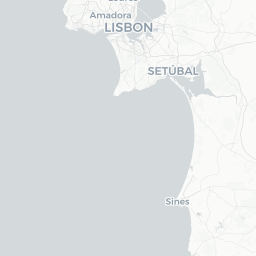
Olival is a small city in the Lisbon district of Portugal, situated on the western bank of the Tagus estuary in the municipality of Vila Franca de Xira. With a population of roughly 43,000, it functions primarily as a residential and light-industrial community rather than a conventional tourist destination, though it offers a genuine, unhurried glimpse of suburban Portuguese life.
The surrounding landscape is characterised by the broad Tagus floodplain, agricultural land, and the low hills typical of the Ribatejo region. Visitors who venture here tend to be those seeking an affordable base near Lisbon, or travellers passing through the Setúbal Peninsula and the Tagus corridor.
Because Olival is principally a local community, its appeal lies in authenticity rather than curated attractions. Markets, neighbourhood cafés, and the rhythm of everyday Portuguese life are the main draws. Travellers expecting a packed sightseeing agenda should treat it as a practical base and plan day trips to nearby points of interest.
Before You Go
Visas
Portugal is a member of the Schengen Area. For specific visa requirements based on your nationality, consult TravelerPulse's Visas section and the official Portuguese immigration authority, SEF/AIMA (verify the current authority name and website locally or via official Portuguese government channels).
What to Pack
- Comfortable walking shoes suitable for uneven pavements and rural paths
- A light rain layer, especially if visiting outside summer months
- Cash in euros — smaller local businesses may not accept cards
Health
No destination-specific vaccinations are required for Portugal beyond standard travel health precautions. The European Health Insurance Card (EHIC) or its successor (GHIC for UK residents) provides access to state healthcare for eligible travellers. Verify current validity with your card issuer before travel.
Connectivity
Portuguese mobile networks (MEO, NOS, Vodafone) provide good coverage. EU roaming rules apply for travellers from EU/EEA countries. Visitors from outside the EU should verify roaming charges or consider a local SIM.
Getting There
By Air
The nearest international airport is Humberto Delgado Airport (Lisbon Airport, IATA: LIS), approximately 25–35 km north of Olival depending on the exact route. From the airport, onward travel typically involves a combination of metro, suburban rail, or road transport. Verify current transit options at the airport or via the Transportes Metropolitanos de Lisboa website.
By Train
Olival is served by the Fertagus suburban rail line, which crosses the Tagus via the 25 de Abril Bridge and connects the south bank with Lisbon's Entrecampos and Roma-Areeiro stations. This is generally the most practical option for travellers coming from central Lisbon. Check current schedules and fares directly with Fertagus.
By Road
Olival is accessible via the A2 and A33 motorways and by national roads crossing the Tagus bridges. If driving from Lisbon, expect tolls. Parking in residential areas is generally available but verify local restrictions.
By Bus
Regional bus services connect Olival and neighbouring communities to Lisbon and other Setúbal Peninsula towns. Verify current operators and routes locally or via the Transportes Metropolitanos de Lisboa portal.
Getting Around
Olival is a spread-out community and most points of daily interest are reachable on foot within the urban core, though some areas require transport. Local buses and taxis are available; ride-hailing apps (such as Uber) operate in the Greater Lisbon area and may cover Olival — verify availability before relying on them.
A personal vehicle or bicycle is practical for exploring the surrounding countryside and the Tagus floodplain. Cycling infrastructure in this part of Lisbon's metropolitan area is developing but not comprehensive — verify current conditions locally.
For travel to Lisbon city centre, the Fertagus train is the most efficient option and avoids bridge traffic congestion, especially during peak commuting hours.
Things to See & Do
Tagus Estuary and Floodplain
The eastern edge of Olival sits close to the Tagus estuary, one of Western Europe's most important wetland ecosystems and a protected area for birdlife. The estuary marshes attract flamingos, spoonbills, waders, and numerous migratory species depending on the season. Birdwatchers should verify current access points and designated observation areas locally.
Local Markets
Like most Portuguese towns of its size, Olival has a local market culture. Weekly or periodic markets selling fresh produce, household goods, and occasional antiques are part of community life. Dates and locations are best confirmed locally or via the Vila Franca de Xira municipal website.
Cycling and Walking Routes
The Tagus floodplain offers flat terrain suitable for cycling and walking. Some marked routes exist connecting communities along the river; verify current trail conditions and maps with the local câmara (municipal authority) or a visitor information point.
Day Trips
Olival's principal value for travellers may be as a launch point for the broader region. Setúbal, Palmela, Vila Franca de Xira, and Lisbon city centre are all within reasonable travel time (see Nearby section).
Food & Drink
Olival's food scene is local and unpretentious. Neighbourhood tascas and cafés serve traditional Portuguese cooking: grilled fish, pork dishes, soups such as caldo verde, and pastries including pastel de nata. Prices in these local establishments tend to be lower than in central Lisbon.
The region around the lower Tagus is associated with river fish and shellfish, as well as the agricultural produce of the Ribatejo hinterland. Look for bacalhau (salted cod) preparations, grilled bream or sea bass, and seasonal vegetable dishes.
For wine, the Setúbal Peninsula produces recognised wines under the Península de Setúbal DOC, including Moscatel de Setúbal. Many local restaurants will carry regional bottles at accessible prices.
Restaurant names and current hours are best verified locally, as smaller establishments in residential areas can have variable schedules.
Practical Information
Emergency Numbers
In Portugal, the general emergency number is 112 (police, fire, medical). This is a verified, universal EU emergency number.
Money
ATMs (Multibanco) are widely available across Portugal and are generally the most practical way to access euros. Notify your bank before travel. Smaller local businesses may prefer or require cash.
Pharmacies
Pharmacies (farmácias) are identifiable by a green cross sign. They can advise on minor ailments and are well distributed across Portuguese communities. Outside normal hours, a duty pharmacy (farmácia de serviço) rota operates — notices are posted in pharmacy windows.
Postal Services
CTT (Correios de Portugal) operates post offices across the country. Verify the nearest branch location and hours locally.
Language
Portuguese is the official language. English is spoken in many service contexts in Greater Lisbon but less reliably in smaller residential communities. A basic phrasebook or translation app is a practical addition to your kit.
Safety
Portugal consistently ranks as one of Europe's safer countries, and Olival as a quiet residential community presents no particular safety concerns beyond standard urban precautions.
Be mindful of your belongings in public spaces, on public transport, and around busy market areas — petty theft is the most common concern for travellers in the Lisbon metropolitan area broadly. Keep copies of important documents separate from originals.
Road safety: Portuguese road conditions vary; rural and secondary roads can be narrow and poorly lit at night. Exercise caution if driving after dark or in unfamiliar areas.
For the most current travel advisories, consult your national government's foreign travel advice service before departure.
Local Culture & Etiquette
Olival shares the cultural character of the broader Ribatejo and southern Lisbon metropolitan area. Portuguese culture places value on hospitality, family, and community — the concept of saudade (a reflective, bittersweet longing) is often cited as a defining cultural note, expressed through fado music and everyday conversation.
Catholic traditions remain significant in community life. Local saints' festivals (festas) take place throughout the year and can be a lively, welcoming window into local culture. Dates vary annually; verify upcoming events with the Vila Franca de Xira municipality.
Dress modestly when entering churches or attending religious events. Tipping in restaurants is customary but not obligatory — rounding up or leaving a small amount is appreciated. Greet people with a simple 'Bom dia' (good morning) or 'Boa tarde' (good afternoon); it is well received in local establishments.