Overview
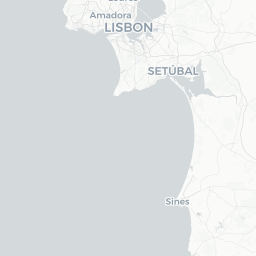
Odivelas is a mid-sized municipality immediately north of Lisbon, separated from the capital by little more than a city boundary. With a population of roughly 55,000, it functions primarily as a residential and commercial suburb, yet it carries genuine historical weight — most notably through its 14th-century royal monastery, which houses the tomb of King Denis I of Portugal.
The city sits within the Lisbon Metropolitan Area and shares the urban fabric of the capital so seamlessly that first-time visitors often do not notice the transition. That said, Odivelas has its own municipal identity: local markets, neighbourhood cafés, and a pace of daily life that feels less tourist-oriented and more authentically Portuguese than central Lisbon.
For travellers, Odivelas is most useful as an affordable base with direct metro access to Lisbon's historic centre, or as a short detour for those interested in Portuguese medieval history and everyday Lisbon-area culture. It is not a destination built around tourism, which is precisely its appeal for a certain kind of traveller.
Before You Go
Visas
Portugal is a Schengen Area member state. Visa requirements depend on your nationality and travel history. For accurate, up-to-date information, visit TravelerPulse's Visas section and consult the official Portuguese immigration authority (SEF/AIMA) before travelling.
Health
No destination-specific vaccinations are required for Portugal. Tap water in the Lisbon metropolitan area, including Odivelas, is generally considered safe to drink, though verify locally if you have concerns. EU/EEA travellers should carry their European Health Insurance Card (EHIC). Non-EU travellers should arrange comprehensive travel health insurance before departure.
What to Pack
- Comfortable walking shoes — the surrounding area and Lisbon involve uneven cobblestone surfaces
- A light layer for evenings, even in summer
- Sun protection: UV levels in Greater Lisbon can be high from spring through early autumn
- A reusable transit card (Viva Viagem) can be loaded on arrival at metro stations
Getting There
By Air
Humberto Delgado Airport (Lisbon Airport, IATA: LIS) is the nearest international airport, located roughly 8–10 km south of Odivelas. From the airport, the Lisbon Metro's red line connects to the yellow line, from which travellers can transfer to reach the Odivelas line (blue line terminus). Verify current transfer routes on the Carris Metropolitana or Metro de Lisboa official sites, as routing can change.
By Metro
Odivelas is served directly by the Lisbon Metro's blue line (Linha Azul), which terminates at Odivelas station. This is the most practical connection to central Lisbon, making the city genuinely car-free accessible. Journey time to Marquês de Pombal or Baixa-Chiado in central Lisbon is typically under 30 minutes, though verify current schedules and fares on the Metro de Lisboa official website.
By Road
Odivelas is accessible via the A8 and IC17 (CRIL) motorways and is well connected by bus routes within the Lisbon metropolitan network. Driving from central Lisbon takes roughly 15–25 minutes depending on traffic, which can be heavy during peak commuting hours.
Getting Around
Odivelas is a walkable city for its central areas, though the municipality is geographically spread out and some neighbourhoods are hilly. The metro station at Odivelas provides the spine of movement for most visitors.
Local bus services connect the metro station to surrounding neighbourhoods within the municipality. Carris Metropolitana operates these routes — check their official site for current maps and timetables. Ride-hailing apps (Uber and Bolt both operate in Greater Lisbon) are a practical option for reaching specific addresses or for evening travel.
Cycling infrastructure is limited compared to central Lisbon, though conditions are improving. Most visitors find a combination of walking and metro sufficient for a short stay.
Things to See & Do
Monastery of São Dinis e São Bernardo (Mosteiro de Odivelas)
This is Odivelas's most significant historical site. Founded in 1295 by King Denis I, the monastery is a national monument and contains the royal tomb of Denis I. The building has been altered over centuries and partially damaged by the 1755 Lisbon earthquake, but important Gothic elements survive. Opening hours and access conditions vary — verify directly with the monastery or the local câmara (municipality) before visiting, as access to certain areas may be restricted.
Local Markets
Odivelas has a municipal market where residents shop for fresh produce, fish, and everyday goods. Visiting provides an unfiltered view of local life in a working Lisbon suburb. Confirm current trading days and hours locally, as these can change.
Parque Urbano da Ribeira de Odivelas
A green corridor along the Ribeira de Odivelas stream offers walking and cycling paths and serves as a recreational space for residents. It is suitable for a relaxed afternoon walk.
Day Trips from Odivelas
Odivelas's position on the Lisbon Metro makes it an efficient base for exploring central Lisbon, Sintra, Cascais, and other destinations in the wider metropolitan area. See the Nearby section for details.
Food & Drink
Odivelas has a practical, neighbourhood-level food scene dominated by Portuguese tascas (traditional taverns), pastelarias (pastry and coffee shops), and family-run restaurants. Expect the staples of Lisbon-area cuisine: bacalhau (salt cod) in various preparations, grilled fish and meat, caldo verde soup, and fresh bread. Prices at local establishments tend to be noticeably lower than in central Lisbon's tourist-facing restaurants.
The municipality has a significant community with roots in Portuguese-speaking Africa (particularly Cape Verde and Angola), which is reflected in some local eateries offering dishes from those culinary traditions. This is worth seeking out for travellers interested in the broader Portuguese-speaking food world.
For coffee, any local pastelaria will serve espresso (known locally as "bica") and pastéis de nata. Sitting at the counter is the norm and is usually the most affordable option. Specific restaurant recommendations should be verified through current review platforms, as businesses open and close frequently.
Practical Information
Emergency Numbers
- General emergency (police, fire, ambulance): 112 (EU standard)
- PSP (public police): verify the local station number on arrival if needed
Money
ATMs are widely available in central Odivelas and near the metro station. Major credit and debit cards are accepted at most shops and restaurants, though smaller tascas may prefer cash — carry some euros as a backup.
Connectivity
Free Wi-Fi is available in some public spaces. Portuguese mobile SIM cards (or EU roaming if applicable) provide good 4G coverage throughout the municipality.
Pharmacies
Pharmacies (Farmácia) are common in Odivelas. A rotating on-call system (farmácia de serviço) ensures 24-hour access to at least one pharmacy in the area — the address of the current duty pharmacy is typically posted on all pharmacy doors.
Tourist Information
Odivelas does not maintain a dedicated tourist office. The Câmara Municipal de Odivelas website has some local information; verify the current URL independently. For broader Lisbon-region tourism information, Visit Lisboa (visitlisboa.com) is the regional authority.
Safety
Odivelas is a generally safe residential city. As with any urban area in the Lisbon metropolitan region, standard precautions apply: be aware of your surroundings, keep valuables secure, and avoid leaving bags unattended.
Pickpocketing, which is a known concern on Lisbon Metro trains and in the capital's tourist areas, can occasionally extend to the metro line serving Odivelas. Keep bags in front of you and be alert on crowded trains.
The city has no specific travel advisories beyond those that apply to Portugal generally. Check your national government's travel advisory service for the most current assessment before your trip.
Local Culture & Etiquette
Odivelas is a culturally diverse municipality shaped by internal Portuguese migration and significant immigration from Cape Verde, Angola, Brazil, and other Portuguese-speaking countries. This gives the city a multicultural character that distinguishes it from more homogeneous rural Portuguese towns.
Basic Portuguese courtesy norms apply: greet shopkeepers and café staff with "bom dia" (good morning) or "boa tarde" (good afternoon), and "obrigado/a" (thank you). English is spoken by many younger residents, but making a small effort with Portuguese is appreciated.
The municipality celebrates local festas (festivals), particularly around religious feast days. São João (late June) and local parish celebrations are part of the community calendar. Dates and details vary year to year — check locally on arrival or via the municipal website.