Overview
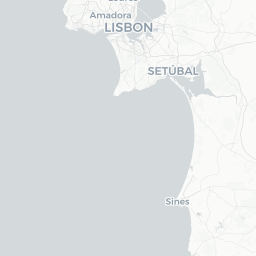
Oeiras is a coastal municipality situated on the north bank of the Tagus estuary, roughly 15 kilometres west of central Lisbon. Despite its relatively modest population, it administers a broader municipal area that includes several parishes stretching toward the Atlantic coast, giving it a varied landscape of river estuaries, limestone hills, and sandy beaches.
Historically, Oeiras was a favoured retreat for Portuguese nobility and the Marquis of Pombal, the powerful 18th-century statesman who rebuilt Lisbon after the 1755 earthquake. His palace and formal gardens remain the centrepiece of the town and a genuine draw for visitors interested in Portuguese Baroque architecture and landscape design.
In recent decades Oeiras has reinvented itself as one of Portugal's leading technology and business corridors, hosting the Taguspark science and technology park. This dual identity — historic riverside town and modern knowledge economy hub — gives it a quietly self-sufficient character distinct from its famous neighbours Lisbon and Cascais.
Before You Go
Portugal is a member of the European Union and the Schengen Area. Entry requirements depend on your nationality and are subject to change. For current visa and entry rules, check TravelerPulse's Visas section and consult the official Portuguese immigration authority (SEF/AIMA) or your nearest Portuguese consulate before travel.
Health and Insurance
No destination-specific vaccinations are required for Portugal. Standard travel health insurance covering medical expenses and repatriation is strongly recommended. EU/EEA citizens should carry their European Health Insurance Card (EHIC) where applicable.
What to Pack
- Sun protection is important even outside summer; the Atlantic light is intense year-round.
- A light layer for evenings, which can be cool even in summer due to sea breezes.
- Comfortable walking shoes; the town centre and palace gardens involve uneven cobblestone surfaces.
Getting There
Oeiras is served by Lisbon Humberto Delgado Airport, the main international gateway for the region. From the airport, the most practical connections involve the Lisbon metro to Cais do Sodré station, followed by the Cascais Line commuter train westward to Oeiras station. Journey time from central Lisbon by train is typically around 20–25 minutes; verify current schedules with Comboios de Portugal (CP).
By car, Oeiras is accessible via the A5 motorway (Lisbon–Cascais) and the EN6 coastal road. Driving from central Lisbon takes roughly 20–30 minutes depending on traffic, which can be heavy during peak commuter hours. Ride-hailing apps active in Lisbon operate in Oeiras as well.
There is no direct high-speed rail connection to Oeiras; travellers arriving by long-distance rail will arrive at Lisbon's Santa Apolónia or Oriente stations and connect onward via the Cascais Line.
Getting Around
Oeiras town centre is walkable, and the Marquis of Pombal Palace gardens, the waterfront promenade, and the main commercial streets can all be reached on foot from Oeiras railway station.
The Cascais Line train is the most convenient way to move between Oeiras and Lisbon or Cascais, with frequent departures throughout the day. Several local bus routes operated by TST connect different parishes within the municipality; timetables are available from the operator's website or verify locally.
Taxis and ride-hailing services are available. Cycling infrastructure has been expanded along the coastal corridor in recent years, and bicycles can be hired in nearby Cascais and used along the waterfront path, though verify local hire availability before relying on this option.
Things to See & Do
Palácio do Marquês de Pombal and Gardens
The formal gardens of the Pombal Palace are the town's defining attraction. Designed in the Portuguese Baroque style with French influence, they feature terraced walks, fountains, azulejo tile panels, and a canal. The gardens are municipally managed; verify current opening hours and any admission arrangements with the Câmara Municipal de Oeiras or locally upon arrival.
Oeiras Waterfront and Beaches
The municipality has a stretch of Atlantic-facing coastline. The waterfront promenade is popular with joggers, cyclists, and families. Beaches in and around Oeiras are generally less crowded than those in Cascais and can be a quieter alternative in summer. Water quality flags are posted seasonally; always check the flag before swimming.
Fort of São Julião da Barra
Located near Paço de Arcos, this 16th-century coastal fortress guards the mouth of the Tagus. It is one of the best-preserved Manueline-era fortifications in the region. Access and opening arrangements vary; verify locally before making a special trip.
Taguspark
For those interested in Portugal's technology sector, Taguspark is one of the country's largest science and business parks. The campus setting is pleasant for a walk and gives a sense of the modern Oeiras beyond its historic core. It is primarily a working business park rather than a visitor attraction.
Quinta do Marquês
This historic agricultural estate adjacent to the palace gardens houses research facilities and maintained grounds. It reflects the region's long tradition of wine production and scientific agriculture under the Pombal legacy.
Food & Drink
Oeiras has a practical range of cafés, tascas (traditional Portuguese taverns), and restaurants catering primarily to residents and commuters. The food culture is grounded in everyday Portuguese cooking: grilled fish, bacalhau (salt cod) preparations, petiscos (small dishes similar to tapas), and pastries.
The waterfront and town centre have seafood-focused restaurants where the day's catch is a reliable choice. Prices tend to be noticeably lower than in central Lisbon or the tourist-heavy parts of Cascais, making it an honest value for straightforward Portuguese meals.
The region around Oeiras has historical ties to wine production, particularly the Carcavelos DOC, one of Portugal's smallest and oldest demarcated wine regions producing a distinctive fortified wine. It is rarely found outside the area, so sampling it locally is worthwhile. Verify current producers and tasting availability locally, as the vineyards in active production are limited.
For coffee, standard Portuguese café culture applies: a bica (espresso) is the default, and most cafés open early. Pastries such as pastel de nata are ubiquitous and best consumed fresh from a local padaria or pastelaria.
Practical Information
Emergency Numbers
- General emergency (police, fire, ambulance): 112 (EU standard)
- PSP (public security police): accessible via 112 or verify the local station number on arrival
Money
ATMs (Multibanco) are available in the town centre. Most restaurants, shops, and larger establishments accept card payments, but carry some cash for smaller cafés, markets, and transport top-ups.
Connectivity
Free Wi-Fi is available in some public spaces and most cafés. Portuguese mobile networks provide good coverage throughout the municipality. EU roaming rules apply to EU-issued SIM cards; non-EU travellers should verify roaming charges or purchase a local SIM at the airport or a phone shop.
Useful Contacts
- Câmara Municipal de Oeiras (local council): verify current contact details and office hours on the official municipal website.
- Tourist information in the broader region is coordinated through Turismo de Lisboa; a visitor information point is available in Cascais and Lisbon.
Safety
Oeiras is generally a safe, low-crime municipality. It has none of the pickpocketing hotspots associated with heavily touristed areas of Lisbon, though standard urban awareness is always sensible.
The coastal areas carry typical Atlantic hazards: rip currents can occur on exposed beaches, particularly in autumn and winter. Follow beach flag warnings strictly — a red flag means no swimming. The Atlantic off this coast is cooler than Mediterranean beaches even in summer.
Road safety: Portuguese drivers can be assertive, particularly on motorways. If renting a car, allow time to acclimatise to local driving patterns.
Local Culture & Etiquette
Oeiras sits within the broader cultural orbit of the Lisbon region but has a distinct civic identity shaped by its Pombaline heritage. The Marquis of Pombal is a towering figure in local consciousness — his palace, gardens, and agricultural estates left a physical legacy that the municipality actively preserves and promotes.
Local festivals follow the rhythms of the Portuguese Catholic calendar, with summer festas honouring patron saints at the parish level. These are community events rather than tourist spectacles and offer an authentic glimpse of local social life. Dates vary by parish; verify locally.
Oeiras is a predominantly residential and working municipality. Visitors should expect a quieter, more everyday atmosphere than Lisbon or Sintra. This is part of its appeal for travellers seeking a less performative version of Portuguese urban life.