Overview
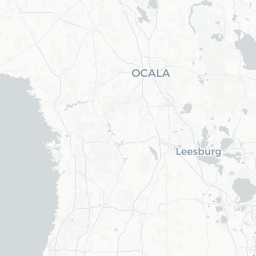
Cedar Key is a small island community on Florida's Nature Coast, roughly 50 miles southwest of Gainesville. With a permanent population of around 700, it is one of the smallest incorporated cities in Florida and one of the most quietly distinctive. The town sits on a cluster of low-lying Gulf islands connected to the mainland by a single causeway.
Once a 19th-century commercial hub for cedar-pencil manufacturing and fishing, Cedar Key fell into a long, gentle obscurity after the timber industry collapsed — an obscurity that proved to be its salvation. Today the area is largely protected by the Cedar Keys National Wildlife Refuge and the Lower Suwannee National Wildlife Refuge, keeping development minimal and wildlife populations healthy.
The local economy now centers on clam aquaculture — Cedar Key supplies a significant share of the hard clams eaten in the United States — alongside a modest but loyal tourism trade built on fishing, kayaking, birding, and the appeal of a genuinely unhurried pace. Visitors who come expecting theme-park Florida will be puzzled; those looking for weathered docks, fresh seafood, and real quiet will feel immediately at home.
Before You Go
Visas
Cedar Key is in the United States. For entry requirements, check TravelerPulse's Visas section and the official US Customs and Border Protection website, as rules vary significantly by nationality.
When to Go
- October–April: The most comfortable months. Temperatures are mild (highs typically in the 60s–70s °F / mid-teens to low 20s °C), humidity is lower, and migratory shorebirds and raptors pass through in large numbers.
- May–September: Hot and humid, with afternoon thunderstorms common. Hurricane season runs June through November; Cedar Key's low elevation makes it genuinely vulnerable, so monitor forecasts closely if visiting in summer or fall.
- Festivals: The Cedar Key Seafood Festival (typically October) and the Cedar Key Birding Festival (typically April) draw visitors; book accommodation well in advance for those weekends.
What to Pack
- Insect repellent is essential, especially near marshes and in warmer months.
- Sun protection year-round — Gulf glare is intense.
- Water shoes or sandals suitable for wet docks and kayak launches.
- Light layers for winter evenings, which can turn cool quickly.
Connectivity
Cell coverage can be patchy on the outlying islands and water. Download offline maps before you go.
Getting There
Cedar Key has no commercial air service or intercity bus connections. Personal or rental vehicles are the practical way to arrive.
By Car
The town is reached via State Road 24, a two-lane road that runs roughly 23 miles from the junction with US-19/98 near Otter Creek. The drive through pine flatwoods and salt marsh is scenic and worth taking slowly. From Gainesville, expect roughly an hour. From Tampa, allow approximately 2.5 hours.
Nearest Airports
- Gainesville Regional Airport (GNV): Closest option with scheduled service; about 60 miles east.
- Tampa International Airport (TPA): Larger hub with more flight options; approximately 130 miles south.
- Orlando International Airport (MCO): A common arrival point for Florida visitors; roughly 170 miles southeast.
Car rental is strongly recommended from whichever airport you use, as there is no reliable ground transportation connecting Cedar Key to major hubs.
Getting Around
Cedar Key's downtown — Second Street, Dock Street, and the city pier area — is compact and walkable. Most restaurants, galleries, and the history museum are within easy walking distance of each other.
Beyond downtown, a bicycle is a practical option for reaching the beach at the end of the island and nearby quieter roads. Several local outfitters rent kayaks and paddleboards, which are the primary way to explore the surrounding wildlife refuges and uninhabited keys. Motorized boat tours and fishing charters operate from the city marina.
There is no local public transit. If you plan to venture to the mainland wildlife areas or the nearby Waccasassa Bay Preserve, you will need your own vehicle or an organized tour.
Where to Stay
Accommodation in Cedar Key is modest in scale — the town has no large chain hotels. Options include a small number of independent inns and bed-and-breakfasts, vacation rental cottages (many listed on major short-term rental platforms), and a handful of motel-style properties. A few lodgings are situated directly on the water with dock access.
Capacity is genuinely limited. During festival weekends and peak winter months, properties fill quickly. Booking several weeks in advance is advisable. Verify current listings and availability directly with properties or through established booking platforms, as the local accommodation landscape changes.
There are no full-service resorts. Visitors seeking pools, spas, or extensive on-site amenities should adjust expectations accordingly — Cedar Key's appeal is its simplicity.
Things to See & Do
Paddling and Water
Kayaking is the defining outdoor activity. The Cedar Keys National Wildlife Refuge encompasses 13 islands and extensive tidal flats accessible only by water. Seahorse Key, the largest refuge island, hosts one of Florida's largest colonial waterbird nesting sites (access restrictions apply during nesting season — verify current rules with the US Fish & Wildlife Service before planning a landing). Local outfitters offer guided kayak tours; guided trips are recommended for first-time visitors unfamiliar with tidal channels.
Birding
Cedar Key sits on the Gulf Coast leg of the Atlantic Flyway. Shorebirds, wading birds, raptors, and neotropical migrants all pass through seasonally. The Shell Mound unit of the Lower Suwannee National Wildlife Refuge, about 15 miles north, offers additional birding trails through coastal hammock and marsh.
History Museum
The Cedar Key Museum State Park (operated by Florida State Parks) and the separately run Cedar Key Historical Society Museum both offer exhibits on the town's natural and cultural history, including its pencil-factory era and early Seminole and pre-Columbian presence. Check Florida State Parks' official website for current hours and fees.
Fishing
Inshore fishing for redfish, trout, flounder, and sheepshead is popular year-round. Charter operators work out of the city marina; verify availability and rates directly with individual captains.
Beaches
Cedar Key does not have classic white-sand Gulf beaches. The shoreline is mostly low marsh, oyster bars, and grass flats — which is precisely what makes the ecology so rich. A small sandy beach exists near the end of the island and is suitable for wading and sunset watching.
Food & Drink
Seafood is the focus of Cedar Key dining, and clams appear on nearly every menu in some form — steamed, in chowder, casino-style, or raw. The local aquaculture industry means the clams are genuinely fresh. Stone crab claws (in season roughly October through May), Gulf shrimp, and grouper round out most menus.
The dining scene is small but consistent. Several restaurants line Dock Street with views over the Gulf, and the atmosphere tends toward casual — flip-flops are appropriate almost everywhere. Hours can be irregular, especially midweek in the off-season; calling ahead is wise.
There is a small grocery option in town for self-catering basics, but selection is limited. Stock up in Chiefland or Gainesville if you have specific needs.
Alcohol is available at most restaurants and at a small number of bars. Cedar Key is not a late-night town; most establishments close relatively early.
Practical Information
Money
Most restaurants and shops accept major credit cards, but it is worth carrying some cash for smaller vendors, bait shops, and occasional charter deposits. There is limited ATM access in town; withdraw cash before arriving if needed.
Medical
There are no hospitals in Cedar Key. The nearest significant medical facilities are in Chiefland and Gainesville. Visitors with serious medical conditions should factor this remoteness into their planning.
Emergency Services
Dial 911 for all emergencies. Cedar Key has a small volunteer fire department and relies on Levy County Sheriff's Office for law enforcement.
Communications
The Cedar Key post office handles mail, but services common in larger towns — pharmacies, urgent care clinics, large grocery stores — require a drive to Chiefland (about 25 miles) or farther. Plan accordingly.
Safety
Cedar Key is a low-crime community, and most visits are entirely uneventful from a safety standpoint. Standard travel precautions apply.
The primary safety considerations are environmental. The town sits at very low elevation and is highly vulnerable to storm surge during hurricanes and strong tropical storms. If a storm threatens during your visit, follow evacuation guidance from Levy County Emergency Management promptly — do not wait.
On the water, tidal currents in the channels between the keys can be stronger than they appear, particularly for kayakers. Check weather and tidal conditions before paddling, let someone know your plan, and stay within your skill level. Jellyfish, stingrays (shuffle your feet in shallow water), and occasional alligators in inland freshwater areas are worth awareness but not alarm.
Local Culture & Etiquette
Cedar Key has a strong sense of local identity rooted in its commercial fishing and aquaculture heritage. The town takes genuine pride in resisting the overdevelopment that has transformed much of coastal Florida, and that ethos shapes the visitor experience.
The arts have long been part of Cedar Key's character — the town has attracted painters and craftspeople for decades, and a number of working studios and galleries operate alongside the seafood restaurants. The annual arts festival (typically held in April, concurrent with the birding festival) reflects this thread.
Visitors are welcomed warmly, but the community is not primarily organized around tourism. Treating local fishermen, clam farmers, and residents with straightforward respect — rather than as scenic backdrop — goes a long way.