Overview
Yankeetown is a small, unincorporated-feeling fishing community on Florida's Nature Coast, sitting at the mouth of the Withlacoochee River where it empties into the Gulf of Mexico. With a population of roughly 500, it is one of Levy County's quietest corners and has largely escaped the resort development that transformed much of Florida's coastline.
The town's unusual name is said to trace back to Northern transplants who settled here in the early twentieth century — a story locals are happy to share. Its character today remains rooted in recreational fishing, boating, and the kind of slow pace that draws visitors looking for an antidote to crowded Florida destinations.
The surrounding landscape — tidal marshes, blackwater rivers, cypress stands, and undisturbed Gulf flats — makes Yankeetown a legitimate draw for anglers, kayakers, birders, and anyone who values raw, unmanicured Florida scenery over theme-park amenities.
Before You Go
Yankeetown has very limited commercial infrastructure. There are no large grocery stores, no chain hotels, and very few restaurants within the town itself. Plan provisions, accommodations, and fuel stops from nearby Inglis (immediately adjacent) or from Crystal River, roughly 20 miles to the south.
Because services are sparse, a mobile data connection is useful but not always reliable in low-lying coastal areas here. Download offline maps before you arrive.
Visas
Yankeetown is in the United States. For entry requirements, check TravelerPulse's Visas section and the official US Customs and Border Protection website, as rules vary significantly by nationality and travel history.
What to pack
- Insect repellent is essential, especially near the river and marsh edges
- Sunscreen and a hat — shade is limited on the water
- Lightweight rain gear; afternoon storms are common May through September
- A valid Florida fishing license if you plan to fish (purchase online through the Florida Fish and Wildlife Conservation Commission before arrival)
Getting There
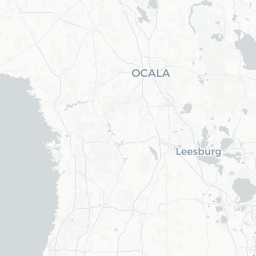
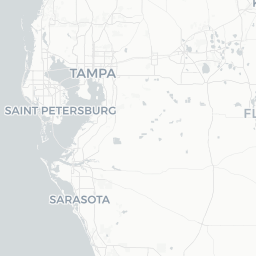
Yankeetown is most easily reached by personal vehicle. It sits just off US-19/98 in Levy County, roughly 80 miles north of Tampa and about 70 miles southwest of Gainesville. The town is accessed primarily via County Road 40 West, which runs from Inglis down to the river.
The nearest commercial airports with regular service are Tampa International Airport (TPA), Gainesville Regional Airport (GNV), and Orlando International Airport (MCO). All require a drive of at least 90 minutes to two hours. Verify current routes and rental car availability at those airports before booking.
There is no intercity bus or train service to Yankeetown itself. Visitors without a car should plan to rent one from a nearby city.
Getting Around
A personal vehicle is effectively required to get around in and around Yankeetown. The town is small enough to walk once you are there, but reaching neighboring Inglis, the nearest fuel station, or any larger service requires driving.
Boating is a natural second mode of transport. The Withlacoochee River and adjacent Gulf waters are navigable, and visitors with their own vessels or rentals can explore the coastline, nearby Waccasassa Bay, and river corridors by water. Verify local boat ramp locations and conditions locally, as access points can be affected by water levels and seasonal maintenance.
Where to Stay
Yankeetown has no chain hotels. Accommodation options tend to be small rental cottages, vacation homes listed on short-term rental platforms, and occasional fishing camps. Search current availability on major rental platforms and book well in advance for the October–April peak season, when fishing traffic increases significantly.
Inglis and Crystal River offer a wider range of lodging including mid-range chain motels and inn-style properties. Staying in Crystal River and making a day trip to Yankeetown is a straightforward option that provides more amenity access.
Things to See & Do
Fishing
Fishing is the primary draw. The Withlacoochee River and the tidal flats off the Gulf Coast are known among anglers for redfish, snook, sea trout, and flounder, depending on season. Charter guides operate out of the area; search for licensed local guides and verify availability and pricing directly.
Kayaking and Paddleboarding
The calm, dark-water sections of the Withlacoochee and the protected marshes of Waccasassa Bay Preserve State Park offer rewarding paddling for all skill levels. The scenery is genuinely remote and wildlife-rich.
Waccasassa Bay Preserve State Park
This state park, accessible partly from the Yankeetown area, protects a large stretch of undeveloped Gulf Coast marsh and estuary. It is primarily a water-access park used by anglers and paddlers. Verify access points and any permit requirements on the Florida State Parks website before visiting.
Birding
The tidal marshes and river corridor support a wide variety of wading birds, raptors, and migratory species. Ospreys, herons, egrets, and anhingas are commonly seen. Fall and spring migrations add variety.
Simply exploring old Florida
Yankeetown's streets, modest historic homes, and river-facing setting reward slow exploration on foot. The Izaak Walton Lodge, a historic structure on the river, is a local landmark worth seeing from the outside.
Food & Drink
Dining options within Yankeetown are extremely limited. A small number of local establishments have operated in the area over the years, but hours and availability change frequently in a town this size. Verify what is currently open locally or via recent reviews before relying on any specific venue.
Inglis, directly adjacent, has a slightly broader selection of casual local restaurants. Crystal River, about 20 miles south, offers a more reliable range of dining choices including seafood-focused restaurants that source from these same Gulf Coast waters.
If you are staying for more than a day, consider bringing groceries from a larger town. Self-catering is a practical strategy here.
Practical Information
Emergency services
For all emergencies in the United States, dial 911. The nearest hospital facilities are in Crystal River and Ocala; verify the closest emergency room location before your trip.
Fuel and supplies
Fill your gas tank before arriving. The nearest reliable fuel stops are in Inglis. Do not count on finding supplies within Yankeetown itself.
Cell service and connectivity
Cell coverage can be patchy near the river and marshes. Major US carriers generally have service in the area but signal strength varies. Download offline maps, fishing regulations, and any other reference material before leaving a larger town.
Florida fishing license
Anyone fishing in Florida waters who is 16 or older is generally required to hold a valid Florida fishing license. Licenses can be purchased online through the Florida Fish and Wildlife Conservation Commission (myfwc.com). Verify current rules and any applicable exemptions before you fish.
Safety
Yankeetown is a quiet, low-crime community. Standard common-sense precautions apply — secure your vehicle and do not leave valuables visible.
Outdoor safety deserves more attention here. The coastal marshes and river are habitat for American alligators; keep a safe distance and never feed or approach them. Venomous snakes, including cottonmouths, are present in marshy areas. Wear closed-toe shoes when walking near water's edge.
Boaters should be aware of shallow areas, submerged grass flats, and changing tidal conditions in the Gulf. File a float plan with someone onshore if heading out on the water for extended periods. Afternoon thunderstorms are common in summer and can develop quickly; get off the water at the first sign of lightning.