Translate

Overview
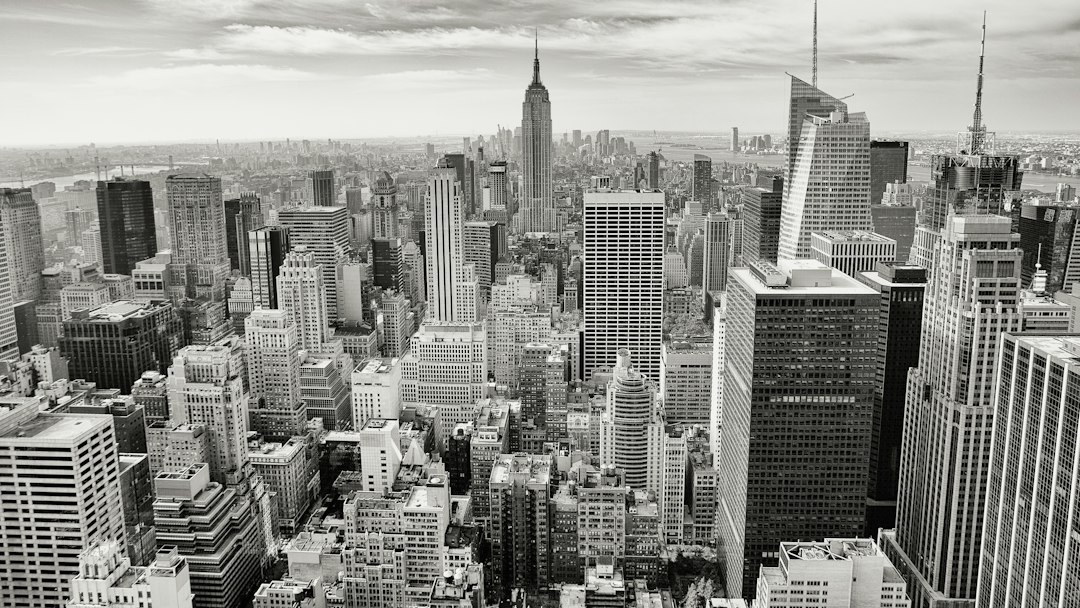
Enterprise is an unincorporated township in Clark County, Nevada, situated immediately southwest of the Las Vegas Strip. With a population exceeding 100,000, it is one of the fastest-growing communities in the United States, yet it retains a quieter, more residential character than the city of Las Vegas itself.
The township sits at roughly 36°N latitude in the Mojave Desert, bordered by the Spring Mountains to the west and the urban core of the Las Vegas Valley to the north and east. Visitors typically arrive here seeking affordable lodging, access to big-box retail corridors, and a calmer environment while still being minutes from the entertainment and nightlife of the Strip.
Because Enterprise is an unincorporated community rather than an incorporated city, many of its services and planning decisions are handled by Clark County. This means the landscape is a mix of planned residential subdivisions, commercial strips along major roads like South Las Vegas Boulevard, and pockets of undeveloped desert. Travelers who prefer quieter neighborhoods over the 24-hour buzz of central Las Vegas often find Enterprise a practical and cost-effective base.
Before You Go
Visas and Entry
Enterprise is located in the United States. For visa and entry requirements, check TravelerPulse's Visas section and consult the U.S. Citizenship and Immigration Services (USCIS) or your nearest U.S. embassy or consulate.
Climate
Enterprise shares the Mojave Desert climate of the broader Las Vegas Valley: hot summers frequently exceeding 40 °C (104 °F), mild winters with occasional near-freezing nights, and very low annual rainfall. Spring and autumn offer the most comfortable temperatures for walking and outdoor activities. Sun protection—sunscreen, a hat, and sunglasses—is essential year-round.
What to Pack
- Light, breathable clothing in summer; layers for winter evenings
- Sturdy walking shoes if you plan to visit Red Rock Canyon or other natural areas
- A reusable water bottle; hydration is critical in the desert
- Any prescription medications, as specialty pharmacies may require a drive
Practical Notes
Enterprise has no distinct tourist infrastructure of its own; most visitor-facing services (visitor centers, tourist information) are operated by the Las Vegas Convention and Visitors Authority (LVCVA) for the broader Las Vegas Valley. Verify locally for current hours and services.
Getting There
By Air
Harry Reid International Airport (LAS) in Las Vegas is the primary gateway for the region and sits roughly 15–25 minutes by road from most parts of Enterprise, depending on traffic. It is one of the busiest airports in the United States, with extensive domestic and international connections. Verify current airlines and schedules directly with the airport or your preferred booking platform.
By Road
Enterprise is easily accessible via Interstate 15, which runs through the Las Vegas Valley, and via the Las Vegas Beltway (Interstate 215), which skirts the southern and western edges of the township. Driving from Los Angeles takes approximately four to five hours under normal traffic conditions; from Phoenix, expect around five hours.
By Bus
Intercity bus services (including carriers such as Greyhound and Flixbus) serve Las Vegas. Verify current routes and stops at the carriers' official websites, as schedules change.
By Train
There is currently no Amtrak service directly to Las Vegas. A privately developed high-speed rail project (Brightline West) connecting Las Vegas to the greater Los Angeles area has been announced; verify its current status before travel.
Getting Around
Enterprise is a car-dependent community. There is no dedicated local transit network within the township itself, though the Regional Transportation Commission of Southern Nevada (RTC) operates bus routes that connect parts of Enterprise to the broader Las Vegas Valley. Verify current routes and schedules on the RTC's official website.
Ride-share services (Uber, Lyft) are widely available in the Las Vegas Valley and are a practical option for getting between Enterprise and the Strip or airport without a personal vehicle.
Renting a car at Harry Reid International Airport is straightforward and recommended for visitors who plan to explore Red Rock Canyon, Henderson, or other points beyond the immediate Las Vegas core. Traffic on I-15 and the Beltway can be significant during peak hours and on weekends when major events are taking place on the Strip.
Where to Stay
Enterprise itself is predominantly residential, so traditional hotel infrastructure is limited within the township boundary. Visitors typically choose between two broad accommodation strategies.
The first is booking a hotel on or near the Las Vegas Strip, which places you closer to the main entertainment corridor but generally at higher prices, especially on weekends and during conventions or major events.
The second is renting a short-term vacation rental (via platforms such as Airbnb or Vrbo) in Enterprise's residential neighborhoods, which can offer more space and lower nightly rates, particularly for families or small groups. This approach works best for travelers with a rental car.
A small number of hotel and motel properties exist along South Las Vegas Boulevard as it passes through or near Enterprise; verify current availability and ratings on standard booking platforms before your trip. Prices across the Las Vegas Valley fluctuate significantly based on events, conventions, and day of the week—rates on weekdays are often substantially lower than on Fridays and Saturdays.
Things to See & Do
Proximity to the Las Vegas Strip
Enterprise's most obvious draw is its adjacency to the Las Vegas Strip, placing world-class entertainment, casinos, restaurants, and shows within a short drive. The southern end of the Strip and the casinos near Mandalay Bay are particularly close to the township's northern edge.
Sloan Canyon National Conservation Area
Managed by the Bureau of Land Management (BLM), Sloan Canyon lies southeast of Enterprise and contains one of the largest concentrations of petroglyphs in the Mojave Desert. The canyon is accessible via hiking trails. Verify trailhead access, hours, and any permit requirements with the BLM's Nevada office before visiting.
Exploration Peak Park
This Clark County park in the Enterprise area offers hiking trails up a prominent volcanic cinder cone with panoramic views of the Las Vegas Valley and surrounding mountains. The hike is moderately strenuous; verify current conditions and any fees locally.
Shopping and Dining Corridors
The South Las Vegas Boulevard corridor and surrounding commercial areas in Enterprise host a wide range of national retail chains, restaurants, and grocery stores. While not a destination shopping experience in itself, the area is convenient for self-catering travelers.
Day Trips
Enterprise's location makes it an efficient staging point for day trips to Red Rock Canyon National Conservation Area (to the northwest), Hoover Dam and Lake Mead (to the east/northeast), and the Spring Mountains/Mount Charleston recreation area.
Food & Drink
Enterprise's dining scene is driven primarily by national and regional chain restaurants concentrated along its main commercial corridors. Independent restaurants do exist but are interspersed among the residential and strip-mall fabric of the township; exploring these requires some local research.
For a broader dining experience, the Las Vegas Strip and Downtown Las Vegas (Fremont Street area) are both reachable within 20–30 minutes by car and offer an extraordinarily diverse range of cuisines across all price points, from celebrity-chef restaurants to affordable local spots.
Grocery options—including several large supermarkets—are well represented in Enterprise, making self-catering in short-term rentals a practical and cost-effective choice. Alcohol is sold in grocery stores, convenience stores, and dedicated liquor stores in Nevada; the state has relatively permissive alcohol sales laws compared to many other U.S. states.
Note that Nevada has no state income tax, which affects how tips and service charges work in the service industry. Tipping 18–20% at sit-down restaurants is standard practice in the United States.
Practical Information
Emergency Services
In the United States, dial 911 for police, fire, or medical emergencies. Non-emergency Clark County Sheriff inquiries can be directed to the local precinct; verify the number locally.
Health
No vaccinations are specifically required for travel to Nevada. Medical facilities in the Las Vegas Valley are modern and accessible; several large hospitals serve the region. Travel health insurance is strongly recommended for international visitors, as U.S. healthcare costs without insurance can be substantial.
Money
ATMs are widely available throughout the area. Major credit and debit cards are accepted almost universally. Cash is still useful for some smaller transactions and tips.
Electricity
The U.S. uses 120V/60Hz electricity with Type A and Type B outlets. International visitors may need a plug adapter and possibly a voltage converter for certain devices.
Connectivity
Mobile coverage (4G/5G) is strong throughout the Las Vegas Valley. Prepaid SIM cards and eSIMs for U.S. networks are available at the airport and major electronics retailers. Wi-Fi is widely available in accommodation.
Safety
Enterprise is a predominantly residential suburb and is generally considered safe by Las Vegas Valley standards. Standard urban precautions apply: be aware of your surroundings, avoid leaving valuables visible in parked cars, and exercise judgment when walking at night in unfamiliar commercial or transitional areas.
The desert environment presents its own hazards. Summer heat can be life-threatening; always carry sufficient water, avoid strenuous outdoor activity during the midday heat between June and September, and never leave children or pets in parked vehicles.
If hiking in Sloan Canyon or other BLM lands near Enterprise, tell someone your plans, carry enough water (a minimum of one liter per hour of strenuous activity in summer), and check the weather forecast. Flash flooding, though rare, can occur rapidly in desert canyons after monsoon storms between July and September.