Overview
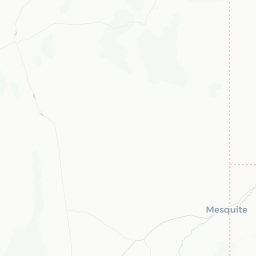
Moapa Town is a small, unincorporated community in Clark County, Nevada, situated in the Moapa Valley roughly 50 miles northeast of Las Vegas along Interstate 15. With a population of around 1,000 people, it functions primarily as a rural residential and agricultural area rather than a conventional tourist destination.
The town sits at the edge of the Mojave Desert where the Muddy River historically supported farming, and the surrounding landscape reflects that heritage — irrigated fields, cottonwood groves, and open desert terrain. Nearby is the Moapa River Indian Reservation, home to the Moapa Band of Paiute Indians, one of the oldest continuously occupied communities in the region.
Most visitors pass through Moapa Town en route to other destinations — Valley of Fire State Park, Lake Mead, or continuing northeast into Utah — and the town serves well as a brief rest and refueling stop. Those who linger tend to come for the quiet, the access to outdoor spaces along the Muddy River corridor, or to visit the tribal reservation's facilities. Expect few tourist services; self-sufficiency and advance planning are essential.
Before You Go
Visas & Entry
Moapa Town is in the continental United States. Entry requirements depend on your nationality. For accurate, up-to-date visa information, visit TravelerPulse's Visas section and check the official US Citizenship and Immigration Services (USCIS) or the US Embassy in your home country.
What to Expect
This is a very small rural community with limited commercial infrastructure. Do not expect hotels, major grocery chains, or tourist information offices within Moapa Town itself. Stock up on fuel, food, water, and any other supplies before arriving, or plan to source them in nearby Logandale or Overton (each roughly 10–15 minutes away).
Climate
The Moapa Valley has a hot desert climate. Summers (June–September) regularly see temperatures above 100°F (38°C) and can be dangerous for outdoor activity without preparation. Winters are mild and generally pleasant. Spring and autumn offer the most comfortable conditions for exploring the area. Always carry ample water — at minimum one gallon per person per day if hiking or spending time outdoors.
Connectivity
Cell coverage can be patchy in parts of the Moapa Valley. Download offline maps before you go, and inform someone of your plans if heading into more remote desert terrain.
Getting There
By Car
The primary access route is Interstate 15, which runs directly through the Moapa Valley. Moapa Town is approximately 50 miles northeast of Las Vegas — roughly a 45-minute drive under normal traffic conditions. From Salt Lake City heading south, Moapa is accessible via the same interstate. A personal vehicle or rental car is essentially required; there is no practical public transit serving this community.
By Air
The nearest major airport is Harry Reid International Airport (LAS) in Las Vegas. Rent a vehicle at the airport and drive northeast on I-15. No commercial air service exists anywhere near Moapa Town.
Fuel
Verify fuel availability locally before departing Las Vegas or other major points of origin, and fill your tank when you have the chance — rural Nevada stations can be sparse.
Getting Around
A personal vehicle is the only practical way to move around Moapa Town and the surrounding Moapa Valley. There is no local public transportation, no ride-hailing service coverage to rely on, and no bicycle-rental infrastructure. Roads in the immediate area are generally paved and in reasonable condition, but some access routes toward the Muddy River or more remote areas may be unpaved. A standard passenger car handles most visits; a higher-clearance vehicle is useful if you intend to explore dirt tracks.
Distances between points of interest in the valley — Moapa Town, Logandale, Overton, Valley of Fire — are modest (typically under 20 miles), but the open desert environment means you should always depart with a full tank and water in the vehicle.
Things to See & Do
Valley of Fire State Park
Nevada's oldest state park is roughly 20–25 miles southwest of Moapa Town. It features vivid red Aztec sandstone formations, ancient petroglyphs, and several well-marked hiking trails. Verify current entrance fees, hours, and road conditions on the Nevada State Parks official website before visiting.
Moapa River National Wildlife Refuge
Located near the town, this small refuge protects the critically endangered Moapa dace, a fish found only in the warm spring-fed waters of the Moapa Valley. Wildlife observation and limited access may be available; contact the US Fish & Wildlife Service for current visitor access details.
Muddy River Area
The Muddy River and its riparian corridor attract birdwatchers and those interested in the contrast of green vegetation against open desert. Access points vary — ask locally or check with Clark County about public access areas.
Moapa Band of Paiute Indians Reservation
The reservation borders the town. Visitors should be respectful of tribal land boundaries. Some tribal enterprises operate in the area; verify what is open to the public by contacting the Moapa Band of Paiute Indians directly before visiting.
Lake Mead National Recreation Area
The western arm of Lake Mead is reachable within roughly 30–40 minutes, offering boating, fishing, swimming, and hiking in a dramatic desert-lake landscape. Verify current water levels and access points, as conditions can change seasonally.
Food & Drink
Dining options within Moapa Town itself are extremely limited. Travelers should plan to eat in nearby Overton or Logandale, both of which have a small number of local restaurants and diners serving straightforward American fare. Overton is the largest nearby town and the best bet for groceries and a meal.
If you are self-catering or packing a picnic for a day at Valley of Fire or along the Muddy River, stock up in Las Vegas or at stores in Overton before heading out. Alcohol regulations vary across different parts of the valley, including on tribal lands — verify locally.
Practical Information
Emergency Services
In any emergency in the United States, call 911. The nearest hospitals with full emergency departments are in the Las Vegas metro area. Moapa Town and the surrounding valley have limited local medical facilities; for anything serious, you may need to travel to Las Vegas.
Water
Tap water is generally safe in Nevada municipalities, but if exploring remote desert areas, always carry far more bottled or filtered water than you think you'll need. Dehydration and heat exhaustion are real risks, especially in summer.
Connectivity & Services
There are no major banks or ATMs confirmed within Moapa Town itself. Bring sufficient cash and ensure your banking needs are handled in Las Vegas before departing. Cell signal can be intermittent.
Time Zone
Moapa Town observes Pacific Time (PT) and follows daylight saving time. Note that nearby Arizona (visible from some points in the region) does not observe daylight saving, which can cause scheduling confusion at certain times of year.
Safety
Moapa Town is a quiet rural community with no particular safety concerns beyond those common to remote desert travel in Nevada. The primary risks for visitors are environmental: extreme summer heat, limited water sources, flash floods in desert washes during monsoon season (typically July–September), and limited emergency response times due to the remote location.
If hiking or exploring off-road areas near the Muddy River or toward Valley of Fire, tell someone your plans, carry a physical map alongside any digital navigation, and never underestimate the desert's ability to turn conditions dangerous quickly. Rattlesnakes are present in the Mojave Desert ecosystem — watch where you step and reach, particularly around rocks and brush.