Translate


Overview
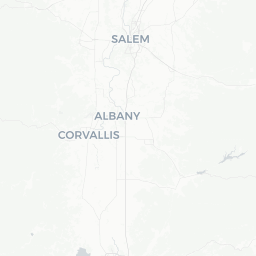
Salem is Oregon's state capital, situated in the heart of the Willamette Valley roughly midway between Portland to the north and Eugene to the south. With a population of around 175,000, it is the third-largest city in Oregon and functions as the political and administrative center of the state. The Willamette River runs along the city's western edge, and the surrounding valley landscape is defined by farms, vineyards, and mountain views toward the Cascades.
The city is often overlooked by travelers rushing between Portland and the coast or the mountains, but it rewards those who stop. The Oregon State Capitol campus, a number of historic parks and gardens, and proximity to acclaimed wine country make Salem a practical and interesting base. It has the feel of a mid-sized American capital city — walkable in its core, unhurried in pace, and genuinely tied to its agricultural and political identity.
Salem's history predates Oregon statehood: it was established as a mission settlement in the 1840s and became the territorial capital before Oregon joined the Union in 1859. Evidence of that early history survives in a handful of preserved landmarks and in the Mission Mill Museum district.
Before You Go
Visas and Entry
Salem is in the United States. Visa and entry requirements depend on your nationality. Check TravelerPulse's Visas section and the official US Customs and Border Protection website for current requirements before booking travel.
Climate
Salem has a temperate oceanic climate with distinct wet and dry seasons. Summers (June–September) are warm and mostly dry, with daytime temperatures typically in the mid-20s°C (mid-70s°F). Winters are mild but grey and wet, with rain persisting from November through April. Snow is infrequent but does occur. Pack layers for shoulder seasons and expect rain gear if visiting in winter or spring.
Oregon Has No Sales Tax
Oregon does not levy a state sales tax, which makes purchases — from groceries to outdoor gear — slightly cheaper than in many other US states. Note that some local jurisdictions may apply limited taxes on specific items; verify locally.
Driving Considerations
Most visitors arrive by car or use Salem as a stop on a road trip along I-5. Having a vehicle is strongly recommended for exploring the surrounding wine country and parks outside the city center.
Getting There
By Air
Salem has a small regional airport, Salem Airport (SLE), which handles limited commercial and charter flights. Most visitors with connecting flights use Portland International Airport (PDX), approximately 80 km (50 miles) to the north, which has broad domestic and international connections. Ground transportation between Portland airport and Salem — including shuttle services and rental cars — is available; verify current schedules and providers locally or at the airport.
By Car
Interstate 5 runs directly through Salem, making it straightforward to reach by car from Portland (roughly 1 to 1.5 hours depending on traffic), Eugene (about 1 hour to the south), or Seattle (roughly 3.5 to 4 hours). Highway 22 connects Salem westward toward the Oregon Coast and eastward toward Mount Hood National Forest and the Cascades.
By Train and Bus
Amtrak's Cascades route stops at Salem's downtown station, connecting the city to Portland, Eugene, and points along the Pacific Coast corridor. Greyhound and other regional bus operators also serve Salem. Verify current schedules and fares directly with operators before travel.
Getting Around
Salem's downtown core is walkable, and the city operates a public transit system, Salem Area Mass Transit District (Cherriots), with bus routes covering much of the urban area. Verify current routes, fares, and hours on the Cherriots official website before relying on specific connections.
For exploring beyond downtown — especially the Willamette Valley wine country to the north and south, Silver Falls State Park, or the Cascade foothills — a personal vehicle or rental car is the most practical option. Rideshare services (such as Uber and Lyft) operate in Salem; availability may be more limited than in larger cities, particularly late at night or in outlying areas. Cycling is feasible in the flat central parts of the city, and the Willamette Greenway trail provides a scenic path along the river.
Things to See & Do
Oregon State Capitol
The current capitol building, completed in 1938 in a distinctive Art Deco style with a gold-leafed Pioneer statue atop its dome, is open to visitors and offers free tours. The surrounding capitol mall is a pleasant place to walk, especially in spring when cherry trees bloom.
Willamette Heritage Center (Mission Mill Museum)
This preserved complex on the banks of Mill Creek includes several 19th-century structures — a woolen mill, historic homes, and a Methodist mission building — that document Salem's founding period. It is one of the more substantive local history sites in the Willamette Valley. Verify current admission fees and hours on the center's official site before visiting.
Bush's Pasture Park and Bush House Museum
A large urban park in a residential neighborhood, Bush's Pasture Park contains open meadows, an art center (Salem Art Association's Bush Barn Art Center), rose gardens, and a Victorian-era house museum. It is a popular local green space and a calm place for a walk.
Enchanted Forest
Located just south of Salem in Turner, this independently owned theme park has operated since the 1970s and is a genuine regional institution, built largely by its founder by hand. It is oriented toward families with younger children. Verify operating season and hours before visiting, as the park is typically open spring through fall.
Willamette Valley Wine Country
Salem sits at the southern edge of the Eola-Amity Hills and is close to the Chehalem Mountains and Yamhill-Carlton wine regions — all part of the broader Willamette Valley AVA, internationally recognized for Pinot Noir. Dozens of tasting rooms are accessible within a 30–60 minute drive. Many are open on weekends; hours vary by winery, so verify before setting out.
Silver Falls State Park
About 40 km (25 miles) east of Salem, Silver Falls State Park is Oregon's largest state park and contains the Trail of Ten Falls, a roughly 13 km (8-mile) loop passing behind and beside multiple waterfalls. It is one of the most visited natural sites in the state and genuinely impressive. Trail conditions vary seasonally; check the Oregon Parks and Recreation Department site for current information.
Food & Drink
Salem's dining scene reflects its size and agricultural surroundings — it is not a major culinary destination in the way Portland is, but the access to local produce, wine, and seafood from the nearby coast means quality ingredients are available at locally owned restaurants throughout the city.
The downtown area has the highest concentration of independent restaurants, cafés, and bars. Oregon's craft beer industry is well represented in Salem; several local breweries operate taprooms in the city. Given Salem's proximity to the Willamette Valley wine region, local Pinot Noir, Pinot Gris, and Chardonnay are widely available by the glass at restaurants and wine bars.
Farmers markets operate seasonally in Salem (verify current schedules locally) and are good sources of fresh Willamette Valley produce, berries, hazelnuts — a major Oregon crop — and artisan goods. Dining options range from casual Mexican and Asian restaurants reflecting the city's demographic mix, to more upscale farm-to-table spots. Prices are generally lower than in Portland.
Practical Information
Emergency Services
In any emergency in the United States, dial 911 for police, fire, or medical assistance.
Medical Care
Salem has hospital facilities including Salem Health, which operates a regional medical center. For non-emergencies, urgent care clinics are distributed across the city. Travelers from outside the US should ensure they have adequate travel health insurance before arrival.
Money
ATMs are widely available. Major credit and debit cards are accepted at virtually all businesses. As noted, Oregon has no general state sales tax.
Internet and Connectivity
Free Wi-Fi is available at the Salem Public Library and many cafés. Mobile coverage is generally strong throughout the city and along major highways, though it can be patchy in rural wine country roads and in forested areas near the Cascades.
Tipping
Tipping conventions follow standard US norms: 18–20% at sit-down restaurants, $1–2 per drink at bars, and standard amounts for taxis and rideshares. Oregon has no tipped minimum wage subminimum — servers receive full minimum wage — but tipping remains customary and expected.
Safety
Salem is generally a safe city for visitors in its downtown and tourist-facing areas. As with many mid-sized American cities, some neighborhoods experience higher rates of property crime, and a visible homeless population is present in parts of downtown. Standard urban precautions apply: be aware of your surroundings, do not leave valuables in parked vehicles, and use well-lit routes after dark.
For outdoor activities around Silver Falls or the Cascades, standard hiking safety applies: carry water, wear appropriate footwear, tell someone your plans, and check weather and trail conditions before setting out. Winter driving on mountain-access roads (particularly Highway 22 toward the Cascades) may require tire chains; check ODOT TripCheck for road conditions.
Local Culture & Etiquette
Salem is a working state capital and reflects that identity — it is civic and practical in character rather than tourist-oriented. The city has a meaningful Latino community, particularly tied to the agricultural labor history of the Willamette Valley, and Spanish is heard and spoken throughout the city. This is reflected in the restaurant scene and in cultural events.
The Willamette Valley's Indigenous history, including the Kalapuya peoples who inhabited the valley prior to European-American settlement, is increasingly acknowledged in local cultural contexts. The Mission Mill Museum addresses, to some extent, the disruption caused by 19th-century missionary activity. Several Oregon tribes remain active in the region and participate in cultural and civic life.
Salem hosts a number of annual events including the Oregon State Fair, held at the fairgrounds in late August and early September, which is one of the larger state fairs on the West Coast. Verify current dates and programming on the Oregon State Fair's official website.