
The Essence of Mallam Aminu Kano International Airport
A closer look
Living guide content for Mallam Aminu Kano International Airport — read or listen in 46+ languages.
Eating well at Mallam Aminu Kano International Airport is far more straightforward than first-time visitors might expect. The domestic terminal offers the most reliable options, with a handful of informal cafeterias and quick-service counters dishing out tuwo shinkafa paired with miyan kuka — the silky baobab-leaf soup that is as Kano as the city's ancient walls. Groundnut soup, masa rice cakes, and suya-spiced grilled meat skewers appear regularly, making it easy to grab something genuinely local before you board.
For travellers connecting through the international side, the options are a little more limited in number but still worth exploring. A small café near the departure lounge serves solid jollof rice, fried plantain, and grilled chicken portions that hold up well as a pre-flight meal. Bottled drinks, fresh zobo hibiscus juice, and Fura da Nono — the cooling fermented milk and millet drink beloved across northern Nigeria — occasionally appear at vendor stalls, though availability can shift depending on the time of day and season.
The honest advice from anyone who knows KAN well is to arrive hungry and keep expectations pleasantly realistic. This is not an airport for fine dining, but it is an airport where the food feels genuinely rooted in place. Prices are reasonable by any standard, portions are generous in the northern Nigerian tradition, and the vendors are invariably friendly. If you have a longer layover, the area just outside the terminal boundary has small bukas where the suya smoke curls into the evening air in a way no airport lounge ever quite replicates.
Nigeria's second-busiest airport serving the commercial north.
- ›Named after Mallam Aminu Kano, a prominent Nigerian socialist politician and activist.
- ›Operated by the Federal Airports Authority of Nigeria (FAAN).
- ›Serves as the primary aviation gateway for northern Nigeria.
- ›The airport handles both domestic and international flights, with connections to the Middle East being particularly significant given Kano's role in Hajj pilgrim traffic.
- ›Kano is one of Nigeria's oldest and most historically significant cities, boosting the airport's cultural and economic importance.
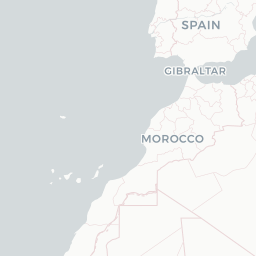
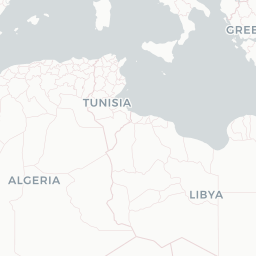
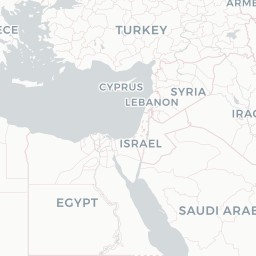
Route map (7 destinations)








Airlines serving this airport
Routes
Pick what matters for your layover or early flight, then compare on your favorite booking site.
TravelerPulse may receive compensation when you book or purchase through some of the links on this page, at no additional cost to you. Prices and availability are set by the booking provider and may change. We never share your private trip details with partners — only the destination, dates and party size you searched.
City & Place Guide
No guide exists for this place yet — Click to generate a Traveler Pulse guide.
Passport, Visa & Immigration
Flying internationally via KAN? Check entry, transit and customs requirements for Nigeria from official government sources.

Mallam Aminu Kano International Airport is an international airport serving Kano, the capital city of Kano State in Nigeria. It was a Royal Air Force station before the country became independent. It is the main airport serving northern Nigeria and was named after the 20th-century politician Aminu Kano. The airport has an international and a domestic terminal. Construction started on a new domestic terminal and was commissioned on 23 May 2011. In 2009, the airport handled 323,482 passengers. The bulk of international flights cater to the large Sudanese community in Kano and Muslim pilgrimages to Mecca.
Read full article on WikipediaLatest news
Mallam Aminu Kano International Airport
Mallam Aminu Kano International Airport is an international airport serving Kano, the capital city of Kano State in Nigeria. It was a Royal Air Force station before the country became independent. It is the main airport serving northern Nigeria and was named after the 20th-century politician Aminu…
Read on WikipediaText from Wikipedia, licensed under CC BY-SA. May be out of date — verify important details.
