Overview
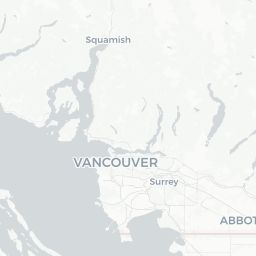
Edmonds is a neighbourhood and community area in the southeastern corner of Burnaby, British Columbia, situated within Metro Vancouver. With a population in the low tens of thousands, it functions as a quiet, primarily residential district rather than a standalone tourist destination. Its identity is shaped by modest mid-rise development, community parks, local shops, and straightforward access to the rest of the Lower Mainland via public transit.
The area sits roughly between the cities of New Westminster to the east and Surrey to the south, giving it a genuine in-between character. Residents appreciate its relative affordability compared to Vancouver proper, its walkable commercial strips, and the greenspace available nearby. Visitors typically arrive here either because they have personal connections in the area or because they are using it as a practical, cost-effective base for exploring Metro Vancouver.
Edmonds is not served by a major tourist infrastructure — there are no landmark museums, heritage sites, or internationally recognised attractions within its immediate boundaries — but that understated character is part of its appeal for travellers who prefer everyday neighbourhood life over curated tourist zones.
Before You Go
Entry and Visas
Canada has specific entry requirements that vary by nationality, including the Electronic Travel Authorization (eTA) for visa-exempt visitors arriving by air, and traditional visas for others. Do not rely on this guide for visa specifics — check TravelerPulse's Visas section and the official Immigration, Refugees and Citizenship Canada (IRCC) website for current requirements before booking.
What to Pack
- A rain jacket or waterproof layer is sensible year-round; Burnaby and the Lower Mainland receive significant rainfall, especially October through March.
- Comfortable walking shoes are worthwhile — the neighbourhood is hilly in places.
- A reusable transit card (Compass Card) can be loaded and used across all TransLink services; pick one up at any SkyTrain station.
Health and Insurance
British Columbia has a provincial public health system, but it does not cover visitors. Comprehensive travel health insurance is strongly recommended. Verify coverage details with your provider before departure.
Getting There
By Air
The nearest major airport is Vancouver International Airport (YVR) in Richmond. From YVR, the Canada Line SkyTrain connects to Waterfront Station in downtown Vancouver, where travellers can transfer to the Expo Line toward Edmonds Station. The total journey involves at least one transfer and takes roughly 45–60 minutes depending on connections; verify current schedules on the TransLink trip planner.
By SkyTrain
Edmonds Station on TransLink's Expo Line is the neighbourhood's primary transit hub. It sits near the commercial core of the community and makes the area genuinely well-connected to New Westminster, Metrotown, and downtown Vancouver without needing a car.
By Car
Edmonds is accessible via Kingsway (Highway 1A) and is close to the Trans-Canada Highway (Highway 1). Street parking and surface lots exist in the area, but driving into central Vancouver from here can be slow during peak hours.
Getting Around
Within Edmonds itself, most daily errands and local points of interest are reachable on foot or by bicycle. The neighbourhood has a reasonably walkable layout around its commercial strips along Kingsway and Edmonds Street.
For travel beyond Edmonds, TransLink's bus network supplements the SkyTrain. A loaded Compass Card covers buses, SkyTrain, and the SeaBus ferry to North Vancouver — a convenient single-payment system. Verify current fares and zone structures on the TransLink website, as pricing can change.
Ride-hailing apps (Uber and Lyft both operate in Metro Vancouver) and traditional taxis are available for point-to-point trips, particularly useful for reaching areas not well served by transit.
Where to Stay
Edmonds does not have a dense hotel district. Accommodation options within the immediate neighbourhood are limited, and most visitors staying in the area tend to use short-term rental platforms or look at nearby Metrotown, New Westminster, or central Burnaby for a wider selection of hotels and motels.
Metrotown, roughly 10–15 minutes by SkyTrain, has a more developed hospitality cluster with brand-name hotels. New Westminster, one stop east on the Expo Line, also offers accommodation options. Verify availability, current pricing, and guest reviews directly through booking platforms or the properties themselves before committing.
Things to See & Do
Central Park (Burnaby)
One of the most significant greenspaces accessible from Edmonds, Central Park spans roughly 90 hectares along Boundary Road. It features forested walking and running trails, sports facilities, and open lawns. The park is a genuine neighbourhood asset and a pleasant place to spend a morning or afternoon.
Edmonds Community Centre
The Edmonds Community Centre offers recreational programming, a fitness facility, and an indoor pool. It serves primarily local residents but is generally open to visitors as well; verify current hours and drop-in fees directly with the City of Burnaby Parks, Recreation & Cultural Services.
Local Commercial Strips
Kingsway and the streets around Edmonds Station have a mix of independent restaurants, grocery stores, and everyday retail reflecting Burnaby's multicultural community. Wandering these blocks gives a genuine sense of local life rather than a packaged visitor experience.
Day Trips
Edmonds' real value for visitors may be its transit connectivity. New Westminster's heritage Quay waterfront, Metrotown's large retail complex, and the cultural offerings of downtown Vancouver are all within a 20–40 minute SkyTrain ride.
Food & Drink
The dining scene around Edmonds reflects Burnaby's multicultural character. You will find Chinese, Korean, Vietnamese, South Asian, and Middle Eastern restaurants alongside more general Canadian fare, particularly along Kingsway — one of the Lower Mainland's most food-diverse corridors.
Independent cafés, bubble tea shops, and bakeries are woven into the commercial fabric of the neighbourhood. Prices tend to be moderate compared to central Vancouver. Because restaurant turnover can be high, specific recommendations would risk being out of date — a current search on a mapping or review platform will give you the most accurate picture of what is open.
For groceries, there are supermarkets within walking distance of Edmonds Station, including options catering to Asian and South Asian cuisines, making self-catering practical for visitors staying in accommodation with kitchen access.
Practical Information
Emergency Services
In any emergency in Canada, dial 911 for police, fire, or ambulance. This is a universal number across all provinces.
Connectivity
Mobile coverage in the Lower Mainland is generally strong. Canadian carriers (Rogers, Telus, Bell, and their subsidiary brands) all serve the area. Visitors from abroad should check roaming costs or consider a local prepaid SIM. Free Wi-Fi is available at the Edmonds Community Centre and at many cafés.
Currency and Payments
ATMs are available near Edmonds Station and along Kingsway. Credit and debit cards are accepted almost universally, including contactless payments. Canadian tipping customs generally run 15–20% at sit-down restaurants; verify locally for service industry norms.
Time Zone
Edmonds observes Pacific Time. Daylight saving time is observed — clocks shift forward in spring and back in autumn; check current offset before travel.
Safety
Edmonds is a typical residential urban neighbourhood in Metro Vancouver and is generally considered safe for everyday activity. As with any urban area, standard precautions apply: be aware of your surroundings, keep valuables out of sight in parked vehicles, and stay on well-lit streets after dark.
Kingsway can be busy and fast-moving — use marked crosswalks and be attentive when cycling. The area around Edmonds Station, like many transit hubs, can attract individuals experiencing homelessness or mental health challenges; this is a regional issue across Metro Vancouver and does not make the area uniquely unsafe, but it is worth being aware of.
For non-emergency police matters in Burnaby, contact the Burnaby RCMP detachment; their current contact details can be found on the RCMP's official website.