Overview
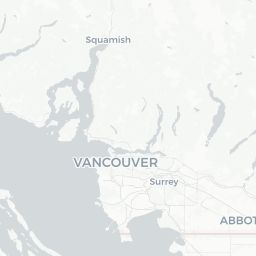
Middlegate is a residential neighbourhood within the City of Burnaby, British Columbia, located in Metro Vancouver. It sits in the central-south portion of Burnaby, roughly between the Edmonds and Metrotown areas. The surrounding district is densely populated and well connected, blending low-rise residential streets with nearby high-rise corridors and commercial strips.
As a neighbourhood rather than an independent municipality, Middlegate does not have a distinct downtown or tourist centre of its own. Visitors typically experience it as part of broader Burnaby, with easy access to the region's transit network, parks, shopping, and cultural amenities. Burnaby itself is the third-largest city in British Columbia by population and shares a boundary with Vancouver to the west.
The area reflects Burnaby's multicultural character, with a diverse resident population and a range of services oriented toward everyday community life. Travellers staying here are well positioned to explore Metro Vancouver without the higher accommodation costs sometimes found closer to downtown Vancouver.
Before You Go
Visas and Entry
Canada has specific entry requirements that vary by nationality, including the Electronic Travel Authorization (eTA) for visa-exempt travellers arriving by air and standard visitor visas for others. Do not rely on general summaries — check TravelerPulse's Visas section and the official Immigration, Refugees and Citizenship Canada (IRCC) website for current, authoritative requirements before booking.
Weather and Packing
Burnaby shares Metro Vancouver's temperate oceanic climate. Summers (June–August) are warm and relatively dry, with daytime highs typically in the low-to-mid 20s Celsius. Fall and winter bring frequent rain and overcast skies; snow is possible but not guaranteed at valley elevations. A waterproof layer is useful year-round. Spring can be unsettled but sees the region's famous cherry blossoms.
Health and Insurance
Canada's public healthcare system does not cover non-residents. Comprehensive travel health insurance is strongly recommended. Verify coverage details with your insurer before travel.
Getting There
By Air
The primary international gateway is Vancouver International Airport (YVR) in Richmond, roughly 25–35 minutes from the Burnaby/Middlegate area by road or transit depending on traffic. YVR is served by major carriers from across North America, Europe, Asia, and beyond. The Canada Line SkyTrain connects YVR to downtown Vancouver, from which Burnaby is accessible via the Expo or Millennium SkyTrain lines.
By Rail and Bus
Amtrak's Cascades service connects Seattle to Vancouver's Pacific Central Station; from there, SkyTrain provides onward access to Burnaby. BC Ferries operates routes from Vancouver Island and the Sunshine Coast into the Metro Vancouver area, with bus or transit connections continuing into Burnaby. Long-distance bus services (including Greyhound-successor operators and regional carriers) serve Pacific Central Station — verify current schedules with providers directly.
By Car
Burnaby is accessible from Highway 1 (Trans-Canada Highway), which passes through the city. Driving from downtown Vancouver takes roughly 15–30 minutes depending on traffic. Parking availability varies by specific street and complex; verify locally.
Getting Around
TransLink operates Metro Vancouver's integrated public transit system, covering SkyTrain rapid transit, buses, and the SeaBus ferry. The Expo Line's Edmonds Station and Patterson Station are the closest SkyTrain stops to the Middlegate neighbourhood, providing quick connections to Metrotown, downtown Vancouver, and New Westminster. Compass Cards (reloadable transit smart cards) are the standard payment method and can be purchased at SkyTrain stations.
Bus routes serve local streets throughout the neighbourhood. Cycling infrastructure has expanded across Burnaby in recent years, though routes vary in quality — consult TransLink or the City of Burnaby's cycling map for current paths. Rideshare services (Uber, Lyft) and taxis operate throughout Metro Vancouver. A car is not necessary for most travellers given transit coverage, but may be convenient for day trips to areas outside the SkyTrain network.
Things to See & Do
Nearby Burnaby Attractions
Middlegate's position in Burnaby puts several of the city's main draws within easy reach. Burnaby Lake Regional Park, a significant wetland and wildlife corridor, is accessible by transit or bicycle and offers walking and cycling trails, birdwatching, and rowing. Deer Lake Park features walking trails, the Burnaby Village Museum (an open-air living history museum — verify current hours and admission on the official site), and the Shadbolt Centre for the Arts.
Metrotown Area
Metropolis at Metrotown, one of the largest shopping and entertainment complexes in Canada, is a short transit ride away. Beyond retail, the area hosts cinemas, restaurants, and community services. Central Park (Burnaby) — not to be confused with New York's — sits adjacent to Metrotown and provides green space, sports facilities, and a pitch-and-putt course.
Access to Metro Vancouver
From Middlegate, Vancouver's core attractions — Stanley Park, Granville Island, the Museum of Anthropology (UBC), Gastown, and Chinatown — are all reachable via SkyTrain and bus within 30–45 minutes. New Westminster's heritage Quay area and Fraser River waterfront are similarly accessible to the east.
Food & Drink
The broader Burnaby area has a diverse food scene reflecting the city's multicultural population. South Burnaby and the Metrotown corridor offer a wide range of Asian cuisines — Chinese, Korean, Japanese, Vietnamese, and South Asian restaurants are well represented. Food courts within major shopping centres provide affordable quick-service options from multiple cuisines.
Grocery options in and around Middlegate include major Canadian chains as well as Asian supermarkets carrying a broad range of international ingredients. Cafés and independent eateries are scattered throughout residential commercial strips. For a more curated dining experience, Burnaby's Brentwood Town Centre (to the north) and the Hastings Street corridor have seen notable restaurant growth in recent years.
British Columbia has a legal drinking age of 19. Alcohol is sold through private liquor stores and some grocery stores; verify current retail rules locally. The province has a well-regarded wine industry (Okanagan Valley), and BC craft beer and cider are widely available at restaurants and bars.
Practical Information
Emergency Services
In any emergency in Canada, dial 911 for police, fire, or ambulance.
Money
ATMs are widely available throughout Burnaby, including at SkyTrain stations and shopping centres. Major credit and debit cards are accepted almost universally. Tipping is customary in restaurants (typically 15–20% of the pre-tax bill) and for taxi/rideshare drivers.
Connectivity
Wi-Fi is available at most cafés, shopping centres, and public libraries. Canadian mobile carriers (Rogers, Telus, Bell, and their subsidiaries) provide good coverage throughout Metro Vancouver. Travellers with foreign SIM cards should verify roaming costs; local prepaid SIM cards are available at carrier stores and some electronics retailers.
Accessibility
TransLink's SkyTrain network is largely step-free and accessible. Buses are equipped with low floors and ramps. Verify specific accessibility features for individual venues locally or via the City of Burnaby's accessibility resources.
Safety
Burnaby is generally considered a safe city. As with any urban area in Metro Vancouver, travellers should exercise standard precautions: keep valuables out of sight in vehicles, be aware of surroundings in less-trafficked areas after dark, and secure accommodation and belongings appropriately.
Metro Vancouver has experienced regional challenges related to street-level drug use and homelessness in certain areas, concentrated primarily in specific Vancouver neighbourhoods (notably the Downtown Eastside) rather than Burnaby's residential districts. Travellers should stay informed through local news if visiting unfamiliar parts of the region.
BC is located in an active seismic zone. Familiarise yourself with basic earthquake safety protocols (Drop, Cover, Hold On) as a precaution, though significant seismic events are infrequent.