Overview
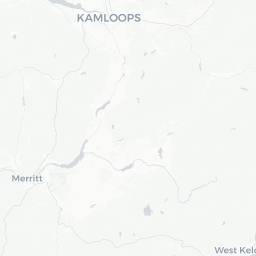
Logan Lake is a small planned community of roughly 2,200 people situated in the Thompson Highlands of British Columbia's Interior, at an elevation of approximately 1,100 metres above sea level. It sits about 75 km southwest of Kamloops and was purpose-built in the early 1970s to house workers at the nearby Highland Valley Copper mine — today one of the largest open-pit copper and molybdenum operations in North America.
Despite its modest size, Logan Lake occupies a strikingly scenic setting: rolling sub-alpine terrain, clean lakes, and conifer forest surround the townsite on all sides. The community has invested in outdoor recreation infrastructure over the decades, giving visitors a genuine and low-key alternative to busier Interior BC destinations.
The town is not a major tourist hub, and that is part of its appeal. Travelers who do pass through tend to come for fishing, hiking, mountain biking, snowmobiling, or simply as a quiet stopover between Kamloops and the Fraser Canyon corridor.
Before You Go
Visas and Entry
Canada's entry requirements vary by nationality. For specific visa and Electronic Travel Authorization (eTA) rules, visit TravelerPulse's Visas section and the official Immigration, Refugees and Citizenship Canada (IRCC) website.
What to Pack
Logan Lake's highland elevation means temperatures can be noticeably cooler than Kamloops even in summer. Evenings in June and September can drop close to freezing, so bring layers. Sun protection is important at elevation. If you plan to be on the water, pack insect repellent for calm evenings near the lakes.
Connectivity and Services
Logan Lake has basic services: a grocery store, gas stations, a pharmacy, and a medical clinic — verify current operating hours locally before relying on them. Mobile coverage exists in town but can be patchy in surrounding backcountry. Download offline maps before heading out on trails or forest service roads.
Seasonal Considerations
- Spring (April–May): Snow may still cover higher trails; forest service roads can be muddy and gated.
- Summer (June–September): Prime season; wildfire smoke can affect air quality in August — check BC Wildfire Service advisories.
- Fall (October): Hunting season is active; wear bright colours in forested areas.
- Winter (November–March): Snowmobiling is popular; roads can be icy and four-wheel drive is advisable.
Getting There
By Road
Logon Lake is best reached by private vehicle. From Kamloops, follow Highway 1 west and then take the Lac Le Jeune Road or Meadow Creek Road south — the drive is roughly 75 km and takes about an hour depending on conditions. From Merritt, the community is approximately 55 km north via Highway 5A. Roads are paved to the townsite but surrounding forest service roads may require a high-clearance or all-wheel-drive vehicle, especially early and late in the season.
By Transit
There is no scheduled intercity bus service directly serving Logan Lake as of the time of writing. Travelers without a vehicle should verify whether any regional connections exist via BC Transit or private operators in Kamloops, or arrange a private transfer.
Nearest Airports
Kamloops Airport (YKA) is the closest commercial airport. Vancouver International Airport (YVR) is a larger hub roughly 350 km southwest, accessible by driving Highway 1 through the Fraser Canyon.
Getting Around
Logan Lake's townsite is compact and walkable. The surrounding recreational areas — trailheads, fishing lakes, and snowmobile staging zones — require a vehicle. There is no local public transit within the town. Fuel up before venturing onto forest service roads, as services disappear quickly outside the townsite. A paper or offline copy of the relevant NTS map sheet or a downloaded trail map is advisable for backcountry travel.
Where to Stay
Accommodation in Logan Lake is modest. The community has motel-style lodging that primarily serves workers connected to the mining industry; verify current availability and book in advance as rooms can be fully occupied on weekdays. The area around Logan Lake also has campgrounds and recreation sites operated under BC Recreation Sites and Trails; these are typically first-come, first-served and fees are collected on-site — verify current status through the BC government's Recreation Sites and Trails website. Cabin rentals may be available through private listings; search current platforms to confirm options.
For travelers requiring hotel chains or a wider range of accommodation, Kamloops or Merritt are the practical alternatives.
Things to See & Do
Fishing
Logan Lake and the surrounding highland lakes — including Wyse Lake and others in the area — offer fishing for rainbow trout. A valid BC freshwater fishing licence is required; purchase one online through the Province of BC's Licence Express system or at local vendors. Verify current regulations and open seasons before fishing.
Hiking and Mountain Biking
The Greenstone Mountain area and local trail networks provide hiking and mountain biking opportunities through open highland terrain with wide views. Trail conditions and access can change seasonally; check with the local recreation society or municipality for current information.
Snowmobiling and Cross-Country Skiing
The Thompson Highland snowmobile club maintains groomed trail systems in winter. The elevation and typical snowpack make this one of the more accessible snowmobiling areas in the southern Interior. Verify trail conditions and club access information locally before heading out.
Watching Mining History
The Highland Valley Copper operation is visible from certain vantage points on public roads. Tours of active mine sites are not generally available to the general public; appreciate the scale from a distance and learn about the mine's history through interpretive materials at the community.
Wildlife Observation
Moose, mule deer, black bear, and various raptors are regularly seen in the area. Keep a respectful distance from all wildlife, store food securely, and carry bear spray when hiking in forested terrain.
Food & Drink
Logan Lake has a small selection of local dining options — a pub and a small number of casual eateries serve the resident population. Do not expect a wide restaurant scene; options are limited and hours can be irregular. Confirm what is currently open locally. Many visitors supplement with groceries from the local store and self-catering, particularly if staying in a cabin or campsite. If you require a wider variety of dining, Kamloops is the nearest city with a full range of restaurants.
Practical Information
Emergency Services
In an emergency, call 911. Logan Lake has an RCMP detachment and a volunteer fire department. The nearest hospital with full emergency services is in Kamloops — confirm the current facility and routing before you travel.
Medical
A medical clinic serves the community; hours should be verified locally. For urgent care or complex medical needs, Kamloops is the appropriate destination.
Money
Bring cash or ensure your card works for debit transactions. ATM availability in such a small community should not be assumed; verify on arrival or carry sufficient cash from Kamloops or Merritt.
Fuel
Fuel up in Logan Lake before exploring forest service roads. The next station may be considerably far depending on your route.
Time Zone
Pacific Time (UTC−8 standard; UTC−7 during Daylight Saving Time). British Columbia observes Daylight Saving Time.
Safety
Logan Lake is a quiet, low-crime community. The primary safety considerations are environmental rather than urban.
- Wildlife: Bears are present in the area. Carry bear spray, make noise on trails, and store food and scented items properly.
- Wildfire: The BC Interior experiences significant wildfire activity in summer. Monitor the BC Wildfire Service dashboard and heed any evacuation alerts or orders — Logan Lake has been affected by fire events in the past.
- Forest Service Roads: These can be narrow, unmarked, and used by large industrial vehicles. Drive cautiously, yield to loaded trucks, and carry a spare tire.
- Winter Driving: Snow and ice are routine from November through March. Ensure your vehicle has winter tires (required by BC law on many routes) and carry emergency supplies.
- Remote Recreation: Cell coverage is limited outside town. Tell someone your plans and expected return time before heading into the backcountry.