Overview
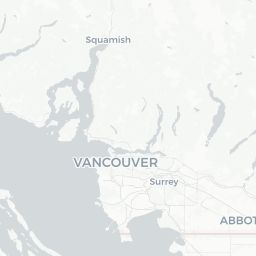
Shellmont is a small community in southwestern British Columbia, situated at approximately 49.13°N, 123.10°W — coordinates that place it within the Greater Vancouver metropolitan area, in proximity to the municipality of Delta and the broader Fraser River lowlands. With a population of roughly 11,400, it is a modestly sized residential settlement rather than a major tourist destination.
The surrounding landscape is characteristic of the Lower Mainland: low-lying terrain shaped by the Fraser River delta, with views toward the Cascade and Coast mountain ranges on clear days. The area benefits from the region's mild, marine-influenced climate — warmer and drier than much of Canada, though notably wet in the autumn and winter months.
Travelers are most likely to pass through or stay in Shellmont as part of a broader trip to the Metro Vancouver region, using it as a quieter, affordable base relative to downtown Vancouver. Visitors should verify current local amenities and services directly, as community facilities in smaller BC municipalities can change.
Before You Go
Visas & Entry
Canada's entry requirements vary by nationality and can change. For current visa and Electronic Travel Authorization (eTA) rules, visit TravelerPulse's Visas section and the official Immigration, Refugees and Citizenship Canada (IRCC) website. Do not rely on third-party summaries for final decisions.
Climate
Shellmont shares the Lower Mainland's oceanic climate. Summers (June–August) are warm and relatively dry, with daytime temperatures typically in the high teens to mid-twenties Celsius. Winters are mild by Canadian standards but grey and wet, with frequent rain from October through March. Snow is uncommon at low elevations but possible. Pack layers and a waterproof jacket for most of the year.
Health & Insurance
Travel health insurance is strongly recommended for all visitors to Canada, as the public healthcare system (BC's Medical Services Plan) does not cover non-residents. Ensure your policy covers medical evacuation. Verify any medication import rules with the Canada Border Services Agency (CBSA) before travel.
Practical Prep
- Electrical outlets: Type A/B, 120V/60Hz — bring adapters if needed
- Tipping culture: 15–20% is standard in restaurants and taxis
- Confirm accommodation availability in advance, particularly during summer and around major Vancouver-area events
Getting There
By Air
The closest major airport is Vancouver International Airport (YVR) in Richmond, BC, one of Canada's busiest international gateways. From YVR, Shellmont is reachable by taxi, rideshare, or regional transit — journey times will depend on traffic and exact routing; verify current options on TransLink's trip planner or Google Maps at the time of travel.
By Road
Shellmont lies within easy driving distance of central Vancouver via Highway 99 and the regional highway network. Rental cars are available at YVR and throughout Metro Vancouver. Be aware that the George Massey Tunnel / Massey Tunnel crossing of the Fraser River and bridge infrastructure in the Delta area can experience congestion during peak hours.
By Transit
TransLink operates bus and SkyTrain services throughout Metro Vancouver. Depending on the exact part of Shellmont you are visiting, local bus routes may connect you to the broader transit network. Verify specific routes and schedules on the TransLink website (translink.ca) before travel, as service patterns evolve.
By Rail / Coach
Intercity coach services (including Pacific Coach and other operators) connect Metro Vancouver to destinations across BC and into the US. VIA Rail does not serve this part of the Lower Mainland directly.
Getting Around
Within Shellmont itself, most day-to-day movement is by private vehicle — the community's layout, like much of suburban Metro Vancouver, is oriented around roads rather than walkable urban blocks. Cycling is possible on quieter residential streets and on any designated regional trail corridors nearby; verify current trail access locally.
For trips into Vancouver, Richmond, Surrey, or other Metro municipalities, TransLink's bus network provides the most accessible public option. Rideshare apps (Uber and Lyft both operate in Metro Vancouver) are a practical alternative. Taxis are available but should be booked in advance rather than hailed on the street in suburban areas.
If you plan to explore the broader Fraser Valley, Gulf Islands, or Vancouver Island, renting a car gives the most flexibility. BC Ferries services to the Gulf Islands and Vancouver Island depart from Tsawwassen, which is close to this area — check bcferries.com for current schedules and reservations.
Things to See & Do
Shellmont's own local attractions are limited given its size; most visitors will find the greater draw lies in the surrounding region. That said, the Lower Mainland location offers several genuine advantages.
Nearby Natural Areas
The Fraser River delta and its associated dyke trails are a defining feature of this part of BC. Birdwatching along the dykes — particularly during spring and autumn migrations — can be rewarding, as the area sits on the Pacific Flyway. Burns Bog Ecological Conservancy, George C. Reifel Migratory Bird Sanctuary (in Delta), and Boundary Bay Regional Park are all within reasonable driving distance; verify current access and hours before visiting.
Regional Day Trips
Proximity to Metro Vancouver puts world-class attractions within reach: Stanley Park, Granville Island, the Capilano Suspension Bridge area, and the University of British Columbia's Museum of Anthropology are all feasible day trips. In winter, ski areas on the North Shore (Cypress, Grouse, Seymour) are under an hour away by car.
Community Life
As with most smaller BC communities, local parks, recreational facilities, and community centres form the backbone of day-to-day activity. Verify what is currently operational with the relevant municipal authority.
Food & Drink
Shellmont does not have a high-profile independent dining scene of its own, and specific restaurant names or hours should be verified locally before your visit. The Metro Vancouver region as a whole is recognized for exceptional culinary diversity — particularly Chinese, South Asian, Japanese, Korean, and Vietnamese cuisines, reflecting the area's demographics.
For groceries and everyday provisions, major Canadian chains (Save-On-Foods, Safeway, T&T Supermarket for Asian groceries) operate throughout the Lower Mainland and are likely accessible from Shellmont. Farmers' markets operate seasonally across Metro Vancouver municipalities; check local listings for the nearest current market.
BC produces notable wines (principally from the Okanagan Valley) and the province has a growing craft brewing scene. Liquor is sold through BC Liquor Stores and licensed private retailers — confirm local store locations on bcliquorstores.com.
Practical Information
Emergency Services
In any emergency in Canada, dial 911 for police, fire, or ambulance.
Communications
Cell coverage from Canada's major carriers (Rogers, Bell, Telus) is generally strong across Metro Vancouver, including suburban communities. Confirm roaming costs with your home carrier before departure, or consider a local SIM.
Money
ATMs are widely available across Metro Vancouver. Major credit cards (Visa, Mastercard, Amex) are accepted at most businesses. Contactless payment is common. Inform your bank of your travel plans before departure.
Accessibility
BC has strong accessibility legislation, and Metro Vancouver infrastructure generally supports travelers with mobility needs. That said, sidewalk coverage and transit accessibility can vary in suburban communities — verify specific needs locally.
Time Zone
Shellmont observes Pacific Time (UTC−8 in winter, UTC−7 during Daylight Saving Time, which runs roughly March to November).
Safety
The Greater Vancouver area, including suburban communities in its southern reaches, is generally considered safe for travelers by Canadian and international standards. Standard urban precautions apply: secure your valuables, be aware of your surroundings, and avoid leaving belongings visible in parked vehicles — vehicle break-ins occur across Metro Vancouver.
BC experiences periodic wildfire smoke events in summer, particularly July and August, which can affect air quality across the province. Monitor AirHealth BC or Environment and Climate Change Canada's Air Quality Health Index if you have respiratory sensitivities.
The region sits within a seismically active zone (Cascadia subduction zone). The probability of a major earthquake during any given short visit is low, but it is worth familiarizing yourself with basic "Drop, Cover, Hold On" guidance. Emergency preparedness information is available from the Province of BC and Public Safety Canada.