Overview
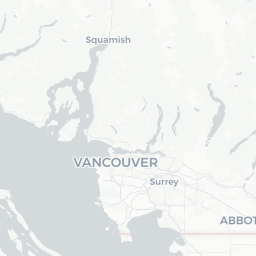
Richmond is a mid-sized city of roughly 210,000 people situated on Lulu Island and several smaller islands in the Fraser River delta, directly south of Vancouver. It is part of Metro Vancouver and shares a border with the City of Vancouver to the north and Surrey to the east.
The city is often cited as one of the most ethnically diverse in Canada, with a large proportion of residents of Chinese, South Asian, Filipino, and Korean heritage. This demographic mix is one of Richmond's most distinctive qualities and has a profound effect on its food scene, cultural calendar, and day-to-day character.
Travelers frequently discover Richmond almost by accident — the city is home to Vancouver International Airport (YVR), which sits on Sea Island within Richmond's boundaries. Many who initially treat it as a transit stop end up spending meaningful time exploring its food courts, waterfront, and historic village core.
The flat, low-lying terrain sits at or near sea level and is criss-crossed by dikes, cycling paths, and waterways. The landscape lacks dramatic elevation but makes up for it with broad river views, farmland at the city's southern edges, and an accessible, walkable urban center in its downtown core along No. 3 Road.
Before You Go
Visas and Entry
Canada's entry requirements depend on your nationality and the purpose of your visit. For accurate, current information, visit TravelerPulse's Visas section and check the official Immigration, Refugees and Citizenship Canada (IRCC) website. Most visitors from visa-exempt countries still require an Electronic Travel Authorization (eTA) for air travel.
Weather
Richmond sits in the Pacific temperate zone. Summers (June–August) are mild and relatively dry, with average highs around 20–23 °C (68–73 °F). Winters (November–February) are cool, wet, and occasionally foggy — snow is infrequent but possible. Spring and autumn bring frequent rain. Pack layers and a waterproof jacket for any visit outside midsummer.
Health and Insurance
Canada's public healthcare system does not cover foreign visitors. Travel medical insurance is strongly recommended. Bring an adequate supply of any prescription medication, and carry documentation for controlled substances.
Practical Prep
- Richmond uses the same electrical outlets and voltage (120 V / 60 Hz) as the rest of Canada and the United States.
- Tipping is customary at sit-down restaurants (typically 15–20%) and for taxis.
- Smoking is prohibited in most public indoor and outdoor spaces.
Getting There
By Air
Vancouver International Airport (YVR) is located on Sea Island within Richmond itself, making arrival uniquely convenient. YVR is one of Canada's busiest airports and receives direct flights from destinations across North America, Asia, Europe, and beyond. Once through customs, travelers are already in Richmond.
By Train / SkyTrain
TransLink's Canada Line SkyTrain connects YVR and central Richmond to downtown Vancouver in approximately 25 minutes. The line runs frequently and is the most reliable way to travel between the airport, Richmond City Centre, and Vancouver without a vehicle. There are several Richmond stops along the route.
By Road
Richmond is accessible via Highway 99 (from the south, including the BC–US border crossing at Peace Arch/Douglas) and Highway 91. From downtown Vancouver, the Oak Street Bridge and Arthur Laing Bridge are common road entry points. Drive times from Vancouver city centre are typically under 30 minutes outside of peak traffic.
By Bus
TransLink operates bus routes connecting Richmond to Vancouver, Burnaby, Delta, and Surrey. Coach services also operate between Richmond and other British Columbia destinations; verify current schedules and operators locally or on the TransLink website.
Getting Around
SkyTrain (Canada Line)
The Canada Line is the backbone of transit within Richmond. Stations at Richmond-Brighouse, Lansdowne, Aberdeen, and others serve the city's commercial core along No. 3 Road. The line is clean, reliable, and accessible.
Bus
TransLink buses serve areas of Richmond not covered by SkyTrain, including Steveston village to the southwest. A single fare covers SkyTrain and bus travel within the same trip window. Check the TransLink trip planner for current routes and schedules.
Cycling
Richmond has an extensive network of flat cycling routes following dike paths along the Fraser River and throughout the city. Bikes can be rented locally; verify current rental locations on arrival. Cycling is one of the best ways to explore the waterfront and Steveston.
Driving and Parking
A car is useful for reaching the southern farmland areas and some dining destinations spread across the city. Parking is generally available and less challenging than in central Vancouver, though the No. 3 Road commercial corridor can be congested at peak times.
Taxis and Rideshare
Taxi services and rideshare apps (including Uber and Lyft, which operate in Metro Vancouver) are available throughout Richmond.
Things to See & Do
Steveston Village
Steveston, at Richmond's southwestern tip, is a historic fishing village and one of the most charming areas in Metro Vancouver. The working harbor still hosts commercial fishing boats, and visitors can sometimes buy fresh or smoked seafood directly from the docks (verify seasonal availability locally). Steveston Museum and the Gulf of Georgia Cannery National Historic Site — a Parks Canada facility — tell the story of the region's fishing industry. The cannery's hours and admission fees should be verified on the Parks Canada website.
Richmond Night Market
Operating seasonally (generally late spring through early autumn), the Richmond Night Market is one of the largest night markets in North America. It draws large crowds for its street food vendors, carnival atmosphere, and merchandise stalls. The market is held near Bridgeport SkyTrain station. Confirm current season dates, hours, and any admission charges before visiting, as these change year to year.
International Buddhist Temple
Located in the south of the city, this is one of the largest Buddhist temples in North America. The grounds and architecture reflect classical Chinese imperial palace design and are open to the public. Visitors should dress respectfully and check locally for current opening hours.
Dike Trails and Waterfront
Richmond's network of dike trails offers flat, accessible walking and cycling with views of the Fraser River, the North Shore mountains, and farmland. The West Dyke Trail from Steveston northward is a popular route.
Food Courts and Asian Markets
The Aberdeen Centre mall area and the surrounding blocks contain a concentration of Asian supermarkets, bubble tea shops, and food courts that are destinations in their own right — particularly T&T Supermarket and the food courts within Aberdeen Centre and Parker Place. Wandering this district is a common and rewarding activity for food-curious travelers.
Richmond Olympic Oval
Built for the 2010 Winter Olympics speed skating events, the Oval is now a public recreation facility offering skating, fitness amenities, and a small exhibit on its Olympic history. Verify current public skating schedules and fees on the facility's website.
Food & Drink
Richmond has a well-earned reputation as one of the best places in North America to eat Chinese food — encompassing Cantonese dim sum, Hong Kong-style cafes (cha chaan teng), Shanghainese, Sichuan, Taiwanese, and many other regional cuisines. The density of high-quality, affordable Chinese restaurants along No. 3 Road and in the surrounding streets is genuinely unusual outside of mainland China, Hong Kong, or Taiwan.
Dim Sum
Sunday dim sum is a social institution in Richmond. Restaurants serving trolley or order-sheet dim sum can be found throughout the city; expect queues at popular spots on weekend mornings. Arrive early or be prepared to wait.
Beyond Chinese Cuisine
Japanese ramen, Korean BBQ, Vietnamese pho, Filipino bakeries, and South Asian sweets shops are all well-represented. The diversity of the dining scene reflects the city's demographics, and it is genuinely possible to eat very well across multiple cuisines without venturing far.
Night Market Food
The Richmond Night Market (seasonal) offers a condensed, lively version of the city's street food culture. Expect skewers, seafood, stinky tofu, mango desserts, and fusion snacks.
Steveston Seafood
Steveston has several fish-and-chip shops and casual seafood restaurants appropriate to its working-harbor character. Fresh local salmon is a seasonal highlight.
Drink
British Columbia's drinking age is 19. Craft beer from Metro Vancouver breweries is widely available. There are no major Richmond-based breweries of particular note as of the time of writing, but several taprooms operate in the broader Metro Vancouver area. Bubble tea shops are ubiquitous and are a local institution — trying one is a reasonable cultural experience.
Shopping
Richmond's main shopping corridor runs along No. 3 Road in the city centre and includes several large malls. Aberdeen Centre, Parker Place, and Yaohan Centre are Chinese-Canadian shopping malls that offer a mix of fashion, electronics, food courts, and specialty shops with a distinct character not easily found elsewhere in North America.
Richmond Centre is a more conventional regional mall anchored by mainstream Canadian retailers. The Outlet Collection at Riverport, located in the southwest of the city, is an outlet-style shopping destination; verify current tenants and hours locally.
Farmers markets and seasonal produce stands operate in and around Richmond during the summer and harvest months, particularly in the agricultural areas to the south. Confirm current market locations and times locally.
Practical Information
Emergency Services
For police, fire, or ambulance emergencies anywhere in Canada, dial 911.
Non-Emergency Contacts
For non-emergency RCMP matters in Richmond, contact the Richmond RCMP detachment — current phone numbers should be verified on the RCMP's official website or by calling directory assistance.
Pharmacy and Medical Care
Pharmacies (including Shoppers Drug Mart and London Drugs locations) are found throughout the city. For medical care, Richmond Hospital on Minoru Boulevard is the city's main acute care facility. Verify current walk-in clinic locations and hours locally.
Connectivity
Free Wi-Fi is available at the airport, most malls, and many restaurants. Canadian SIM cards can be purchased at the airport or at major retailers; prepaid options from the main carriers (Bell, Rogers, Telus, and their subsidiaries) are readily available.
Money
ATMs are widely available. Most businesses accept major credit and debit cards, though some smaller food stalls and vendors, including at the Night Market, may prefer cash.
Safety
Richmond is generally considered a safe city. Petty theft and vehicle break-ins occur, as in any urban area — avoid leaving valuables visible in parked cars. The area around the city centre SkyTrain stations sees some activity typical of urban transit hubs; standard situational awareness applies.
The dike trails and waterfront are generally very safe for walking and cycling during daylight hours. Steveston village is family-friendly and low-risk at most times.
For any emergency, dial 911. Keep a note of your travel insurance provider's emergency contact number.
Local Culture & Etiquette
Richmond's cultural character is shaped significantly by its large East Asian population, the majority of whom have Chinese heritage. Cantonese remains widely spoken in businesses, markets, and community settings — it is genuinely possible to navigate much of the city's commercial life without speaking English in some areas.
Chinese lunar new year celebrations in late January or February are a major civic event, with activities across the city. The summer months see various cultural festivals; verify the current events calendar locally or through Tourism Richmond.
Visitors to the International Buddhist Temple should dress modestly — shoulders and knees covered — and remove shoes where indicated. The temple is an active place of worship; behave accordingly.
Richmond also has a meaningful Japanese-Canadian history connected to the fishing industry in Steveston, partly documented at the Gulf of Georgia Cannery. This history includes the forced displacement of Japanese Canadians during World War II, a significant and sober chapter acknowledged at several local heritage sites.