Overview
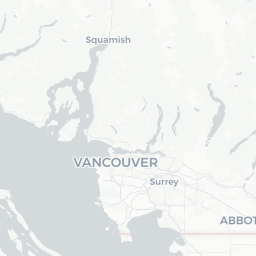
Golden Village is a small residential neighbourhood and designated area within the City of Richmond, British Columbia, situated roughly 10–15 km south of downtown Vancouver on Lulu Island in the Fraser River delta. With a recorded population of around 2,855, it is a quiet, primarily suburban locale rather than a standalone municipality.
The area sits within Richmond's broader urban fabric, a city widely recognised for one of the highest concentrations of residents of East and Southeast Asian heritage in Canada. Golden Village itself carries historical significance as a place tied to early Japanese-Canadian settlement in the Lower Mainland, though much of that history requires active seeking-out rather than obvious on-the-ground signage.
For travellers, Golden Village functions best as a neighbourhood-level experience — a glimpse into Richmond's layered cultural geography — rather than a destination built around major attractions. Most visitors incorporate it into a wider Richmond or Metro Vancouver itinerary.
Before You Go
Entry Requirements
Golden Village is located in Canada. Entry requirements vary significantly depending on your nationality and travel history. For accurate, up-to-date visa and eTA (Electronic Travel Authorization) information, visit TravelerPulse's Visas section and consult Immigration, Refugees and Citizenship Canada (IRCC) at the official Government of Canada website.
What to Pack
- Richmond and the Lower Mainland have a temperate oceanic climate. Expect rain at most times of year; a waterproof layer is always advisable.
- Summers (June–August) are mild and relatively dry. Winters are cool and wet rather than severely cold.
- Comfortable walking shoes are recommended; the neighbourhood is flat and walkable.
Connectivity
Cell coverage and public Wi-Fi are widely available throughout Richmond. Most cafés and restaurants in the broader area offer free Wi-Fi.
Getting There
By Air
Vancouver International Airport (YVR) is the closest major airport, located on Sea Island in Richmond — remarkably close to Golden Village, typically under 15 minutes by car depending on traffic. YVR is well-served by domestic and international flights.
By Public Transit
TransLink, Metro Vancouver's regional transit authority, operates bus routes through Richmond that can bring you close to the Golden Village area. The Canada Line SkyTrain connects Richmond to downtown Vancouver quickly, with stations at Richmond–Brighouse and Lansdowne being among the most useful; from those stations, local buses serve surrounding neighbourhoods. Verify current routes and schedules at translink.ca.
By Car
Richmond is easily reached via Highway 99 from Vancouver or from the U.S. border crossing at Peace Arch/Blaine. Street parking is available in residential areas; verify any posted restrictions before leaving your vehicle.
Getting Around
Golden Village and the surrounding Richmond neighbourhoods are flat and manageable by bicycle; Richmond has an extensive network of cycling paths and greenways. Rental bikes and ride-hailing services (Uber, Lyft) operate in the area.
For broader Richmond exploration, a car or TransLink bus is practical. The Canada Line SkyTrain spine is fast but covers only certain corridors; buses fill in the gaps. Verify current TransLink schedules at translink.ca before your visit.
Things to See & Do
Explore Richmond's Cultural Heritage
While Golden Village itself is primarily residential, the surrounding Richmond area contains significant cultural sites relevant to its Japanese-Canadian and broader Asian-Canadian history. The Gulf of Georgia Cannery National Historic Site in nearby Steveston documents the fishing and cannery industry that employed many early Japanese-Canadian workers.
Steveston Village
The historic fishing village of Steveston, a short drive or bus ride away, is one of Richmond's most rewarding destinations — with heritage buildings, a working fishing wharf, and waterfront walks.
Richmond Night Market and Food Scene
Richmond is internationally recognised for its East Asian food culture. The Richmond Night Market (seasonal — verify dates and location at richmondnightmarket.com) draws large crowds for street food. The area around Alexandra Road is often called the "Food Street" of Richmond and merits exploration.
Cycling the Dyke Trails
Richmond's network of dyke trails along the Fraser River and coastline offers scenic flat cycling and walking routes accessible from various points across the city.
Food & Drink
Richmond as a whole has a remarkable concentration of Chinese, Japanese, Korean, Taiwanese, and Southeast Asian restaurants, many considered among the best in North America outside Asia itself. Dim sum, hand-pulled noodles, hot pot, and Japanese izakaya dining are all well represented within a short drive or transit ride of Golden Village.
The neighbourhood itself is primarily residential, so dining options are limited within its immediate boundaries. Visitors should plan to head to Richmond's main commercial corridors — particularly Alexandra Road, No. 3 Road, and the City Centre area — for the full range of the city's food scene. Specific restaurant recommendations should be verified locally or through current review platforms, as the dining landscape shifts frequently.
Practical Information
Emergency Services
In any emergency in Canada, dial 911 for police, fire, or ambulance.
Health
BC residents are covered by the provincial health plan (MSP). Visitors from outside BC or Canada should ensure they have adequate travel health insurance before arrival.
Money
ATMs are widely available in Richmond. Most businesses accept major credit and debit cards. Some smaller or market-style vendors may prefer cash.
Tipping
Tipping is customary in Canada. A standard restaurant tip is 15–20% of the pre-tax bill. Verify locally for current norms.
Time Zone
Pacific Time (PT): UTC−8 standard, UTC−7 during Daylight Saving Time (observed from the second Sunday of March to the first Sunday of November).
Safety
Richmond and the Golden Village area are generally considered safe for travellers. Standard urban precautions apply: be aware of your surroundings, secure valuables, and avoid leaving items visible in parked vehicles.
The area is flat with well-maintained streets and sidewalks. Cycling is common and generally safe on designated paths. If cycling on roads, helmets are mandatory in British Columbia.