Overview
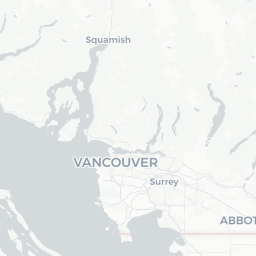
Burnaby is the third-largest city in British Columbia by population, sitting directly east of Vancouver and forming a seamless part of Metro Vancouver. Despite being an independent municipality, it is thoroughly integrated with the region's transit network and urban fabric, making it an accessible and often more affordable base than Vancouver proper.
The city is shaped by a series of distinct neighbourhoods and natural ridges. Burnaby Mountain anchors the north, crowned by Simon Fraser University and offering sweeping views of the Lower Mainland and Burrard Inlet. The Metrotown district, centred around one of Canada's largest shopping centres, functions as a dense urban hub. Deer Lake, Central Park, and the Burnaby Lake Regional Park provide green relief throughout the city.
Burnaby has a notably diverse population, with large East and South Asian communities that have left a clear mark on the city's restaurants, cultural events, and daily life. It is also a significant technology and film production hub within Metro Vancouver, home to studios, game developers, and established tech companies.
For travellers, Burnaby works well as a quieter, better-value alternative to staying in Vancouver's core, while remaining minutes from downtown by SkyTrain. It also rewards those who take time to explore it on its own terms, particularly for outdoor recreation, Japanese gardens, and some of the region's best East Asian dining.
Before You Go
Visas and Entry
Canada's entry requirements vary depending on your nationality, travel document, and whether you arrive by air or land. We do not publish specific visa rules here as they change frequently and errors can have serious consequences. Check TravelerPulse's Visas section for general guidance, then verify your exact requirements through Immigration, Refugees and Citizenship Canada (IRCC) at the official Government of Canada website before booking.
Weather
Burnaby shares the mild oceanic climate of the Vancouver region. Summers (June–September) are warm and mostly dry, with temperatures typically ranging from the high teens to high twenties Celsius. Winters are cool and wet rather than bitterly cold; significant snowfall is uncommon but does occur occasionally, sometimes disrupting transit. Spring and autumn are pleasant but bring frequent rain. Pack layers and a waterproof outer layer for any season.
Health and Insurance
Canada has a publicly funded healthcare system, but it does not cover foreign visitors. Comprehensive travel health insurance is strongly advised. Carry any prescription medications in their original labelled containers and bring sufficient supply for your trip plus extras in case of delays.
Getting There
By Air
The primary gateway is Vancouver International Airport (YVR) in Richmond, approximately 30–40 minutes from central Burnaby by Canada Line SkyTrain to Waterfront Station, then transferring to the Expo Line toward Burnaby. The Canada Line runs frequently and connects directly to the broader SkyTrain network. Taxis, rideshare services, and airport shuttles are also available. Verify current fares and schedules with TransLink or your chosen provider.
By Train
VIA Rail's transcontinental service arrives at Pacific Central Station in Vancouver's east side, which is served by the SkyTrain Main Street–Science World Station on the Expo Line, giving direct rail access to Burnaby in under 20 minutes.
By Bus
Greyhound and other intercity bus services historically used Pacific Central Station as their terminal; verify current operators and schedules locally, as the intercity bus landscape in Canada has changed significantly in recent years.
By Car
Burnaby is served by Highway 1 (Trans-Canada) and is easily reached by car from the Fraser Valley to the east or from Vancouver to the west. Parking availability and cost vary considerably by neighbourhood; Metrotown and commercial areas generally have paid parkades, while residential streets may have permit restrictions.
Getting Around
SkyTrain
Burnaby is one of the best-served cities in Metro Vancouver for rapid transit. The Expo Line runs east–west through the city with key stops including Metrotown, Joyce–Collingwood (on the Vancouver border), and several stations further east. The Millennium Line passes through the north of the city. Between these two lines, most major attractions are walkable from a station. Purchase a Compass Card (reloadable transit card) for the most convenient and economical fare payment; single-use tickets are also available. Check TransLink's website for current fares and schedules.
Bus
TransLink buses connect SkyTrain stations to neighbourhoods not on the rail network, including areas around Burnaby Lake and the Deer Lake cultural precinct. The same Compass Card works across bus and SkyTrain.
Cycling
Burnaby has an expanding network of bike routes, and the Burnaby Mountain area has trails popular with mountain bikers. Some routes, particularly around the lake and Central Park, are suitable for casual riders. Verify bike share availability locally.
Driving
A car is useful for reaching trailheads and some regional parks but is rarely necessary for the core visitor experience given the quality of transit. Traffic on Highway 1 through Burnaby can be heavy during peak hours.
Where to Stay
Burnaby has a range of accommodation options spanning major hotel brands, smaller independent properties, and short-term rentals. The Metrotown and Brentwood areas have the highest concentration of hotels, benefiting from direct SkyTrain access to Vancouver and proximity to shopping. A few properties are also situated near Burnaby Mountain and SFU, catering partly to university visitors.
Staying in Burnaby rather than central Vancouver can offer meaningfully lower room rates while keeping you within 15–25 minutes of downtown by SkyTrain — a practical trade-off for travellers on a tighter budget or those who don't need to be at the heart of the city.
Short-term rental platforms operate in Burnaby; verify that any listing complies with local regulations before booking, as the City of Burnaby has rules governing short-term rentals. For specific hotel names, current rates, and availability, check a reputable booking platform or the City of Burnaby's tourism resources and confirm details directly with properties.
Things to See & Do
Parks and Nature
- Burnaby Mountain Conservation Area — A forested park encompassing Simon Fraser University's hilltop campus. Trails lead through second-growth forest; the Summit Playground and totem poles area offers views over Burrard Inlet and the North Shore mountains.
- Deer Lake Park — A central green space with a lake, walking paths, boating (verify seasonal availability), and a beach area. The park connects to the Burnaby Village Museum and Shadbolt Centre for the Arts.
- Burnaby Lake Regional Park — A large nature reserve east of the city centre, popular for birdwatching, walking, and canoeing. The lake and its wetlands support a range of wildlife. Access is by trail or via Still Creek.
- Central Park — A forested urban park on the Burnaby–Vancouver border near Metrotown, featuring walking trails, sports facilities, a pitch-and-putt golf course, and an outdoor pool (seasonal).
Culture and Attractions
- Burnaby Village Museum — A living history museum at Deer Lake recreating a 1920s Fraser Valley town, complete with a restored carousel. Verify opening hours and admission on the City of Burnaby's official website.
- Shadbolt Centre for the Arts — A community arts centre offering visual arts, theatre, dance, and classes. Programming changes seasonally; check their site for current events.
- Simon Fraser University (SFU) — The brutalist concrete campus designed by Arthur Erickson and Geoffrey Massey, set dramatically atop Burnaby Mountain, is an architectural landmark worth visiting in its own right. The SFU Museum of Archaeology and Ethnology is open to the public (verify hours locally).
- Nikkei National Museum & Cultural Centre — Located in the Edmonds neighbourhood, this museum documents the history and culture of Japanese Canadians, including the community's experiences during the Second World War. Verify opening hours before visiting.
Events
Burnaby hosts several recurring festivals including the Burnaby Blues + Roots Festival (summer) and the Deer Lake Festival series. Dates and formats vary by year; confirm with the City of Burnaby or local listings.
Food & Drink
Burnaby's dining scene reflects its demographics and is particularly strong in East and South Asian cuisines. The Metrotown and Edmonds areas, as well as the commercial strips along Kingsway, offer a dense concentration of restaurants representing Chinese (Cantonese, Sichuan, Shanghainese), Korean, Japanese, Vietnamese, South Asian, and Filipino cooking. Kingsway is often cited locally as one of the more interesting corridors for affordable, authentic Asian food in the region.
Japanese dining options are notably numerous, in part because of the established Japanese Canadian community; everything from casual ramen shops to more formal sushi is represented. Korean barbecue and hot pot restaurants have grown in number in recent years.
For those seeking Western-style dining, coffee shops, brewpubs, and mainstream restaurant chains are plentiful, especially around Metrotown and Brentwood. A handful of neighbourhood spots serve locally sourced Pacific Northwest cuisine, though this style is more concentrated in Vancouver proper.
Burnaby falls within British Columbia's liquor licensing framework. Beer, wine, and spirits are available at licensed restaurants and at BC Liquor Stores. Private liquor stores also operate in the city. Minimum drinking age in BC is 19.
Shopping
Metropolis at Metrotown is one of the largest shopping centres in Canada and a genuine regional destination. It anchors the Metrotown neighbourhood and contains a very wide range of retailers, from international brands to local shops, alongside food courts and a cinema. The surrounding area has additional retail strips and big-box stores.
Brentwood Town Centre in north Burnaby has undergone significant redevelopment in recent years and now hosts a modern urban shopping and dining complex connected to the Brentwood Town Centre SkyTrain station. It has attracted a mix of retailers and restaurant tenants.
For more independent shopping, the commercial strips along Kingsway and in smaller neighbourhood centres offer grocery stores, specialty Asian supermarkets, bakeries, and independent shops. T&T Supermarket, a large Asian grocery chain, has a location in Burnaby and is worth visiting for imported goods, fresh produce, and prepared foods.
Practical Information
Money
Most businesses accept major credit and debit cards; contactless payment is widely available. ATMs are plentiful in commercial areas. Some smaller restaurants and markets may be cash-preferred; it is sensible to carry a small amount of Canadian cash.
Connectivity
Wi-Fi is available at most hotels, many cafés, and in public libraries. Canadian mobile carriers provide strong LTE/5G coverage throughout Burnaby. If your home carrier does not include Canadian roaming, consider purchasing a prepaid SIM locally at an electronics retailer or carrier store.
Tipping
Tipping is standard in Canada for restaurant table service, taxis, and some personal services. 15–20% on the pre-tax amount is typical for restaurant meals. Counter service and fast-casual dining do not carry the same expectation, though tip prompts on payment terminals are common.
Emergency Services
Dial 911 for police, fire, and ambulance emergencies anywhere in Canada. For non-emergency police matters, contact the RCMP Burnaby detachment through the non-emergency line (verify the current number locally).
Accessibility
SkyTrain stations are equipped with elevators and accessibility features; verify the current status of specific station elevators through TransLink's accessibility resources before travel. Metrotown and major commercial centres are generally well-equipped for wheelchair access.
Safety
Burnaby is generally a safe city by most measures. Visitors should exercise standard urban awareness: secure valuables, be attentive in crowded areas such as transit stations and shopping centres, and avoid leaving items visible in parked vehicles.
The Kingsway corridor and some parts of the city near the Vancouver boundary can feel less polished than residential neighbourhoods, but they are not unusually dangerous for urban areas. As with any city, situational awareness is advisable at night in less busy areas.
For trail use in Burnaby Mountain Conservation Area, stick to marked paths, particularly after dark or in poor weather, as the terrain can be steep and conditions can change. Coyotes are present in some parkland areas and should not be approached or fed.
Dial 911 for any emergency.