Translate
Overview
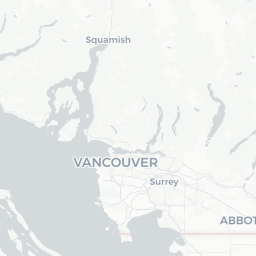
Douglas-Gilpin is a small community in the Metro Vancouver region of British Columbia, situated at roughly 49.24°N, 122.98°W in the Fraser River lowlands corridor. With a population of just over 10,000, it functions primarily as a residential neighbourhood rather than a stand-alone destination city. Visitors typically pass through or use it as a quiet base while exploring the wider South Fraser and Greater Vancouver area.
The surrounding landscape is characteristic of the Lower Mainland: flat agricultural land, riparian channels, and easy access to the network of regional parks and multi-use trails that defines outdoor life in this part of BC. The climate is mild and oceanic, with cool wet winters and warm, relatively dry summers — consistent with Greater Vancouver as a whole.
Because Douglas-Gilpin is embedded in Metro Vancouver's suburban fabric, most practical services, dining, and attractions are shared with neighbouring municipalities. Travellers should plan their stay with the broader region in mind rather than expecting a concentrated downtown core or tourist infrastructure within the community itself.
Before You Go
Visas and Entry
Canada's entry requirements vary depending on your nationality and method of travel. For current visa and eTA (Electronic Travel Authorization) requirements, check TravelerPulse's Visas section and the official Immigration, Refugees and Citizenship Canada (IRCC) website before booking.
Weather and Packing
The Lower Mainland sees significant rainfall, especially October through March. Even in summer, a light waterproof layer is advisable. Temperatures in summer typically range from the mid-teens to low-to-mid twenties Celsius. Winters are mild by Canadian standards but persistently grey and damp.
Health and Insurance
Canada does not offer free healthcare to foreign visitors. Comprehensive travel health insurance is strongly recommended. Verify your coverage details before departing, and confirm any prescription medication rules with the Canada Border Services Agency (CBSA) if carrying controlled substances.
Getting There
By Air
The nearest major airport is Vancouver International Airport (YVR) in Richmond, BC, one of Canada's busiest hubs with extensive domestic and international connections. From YVR, Douglas-Gilpin is accessible by road; travel time will vary depending on traffic, which can be heavy on Metro Vancouver's highway network. Verify current transit links and schedules at TransLink's official website.
By Road
The community sits within Metro Vancouver's highway grid. Travellers driving from Vancouver or Surrey should consult current road conditions via DriveBC (drivebc.ca), as Lower Mainland corridors can experience significant congestion, particularly on Highway 1 and connecting routes.
By Transit
TransLink operates bus and SkyTrain services across Metro Vancouver. Depending on your precise destination within Douglas-Gilpin, one or more bus routes may serve the area. Check the TransLink trip planner (translink.ca) for current schedules and fares, as these change periodically.
Getting Around
Within Douglas-Gilpin itself, most movement is by private vehicle, which is the norm across suburban Metro Vancouver. Cycling is feasible given the relatively flat terrain, and the region has invested in multi-use path infrastructure, though completeness of cycling networks varies — verify locally before relying on a specific route.
For broader regional travel, TransLink's integrated bus and rail network connects the South Fraser suburbs with central Vancouver and other municipalities. A Compass Card (reloadable transit card) is the most convenient way to pay for TransLink services. Cards and top-ups are available at SkyTrain stations and some retailers.
Things to See & Do
Regional Parks and Green Space
The Fraser River and its surrounding dyke trails are among the most accessible natural features in this part of BC. Dyke trails along the Fraser offer flat walking and cycling routes with wide river views. The Metro Vancouver regional parks system includes several parks within reasonable driving distance; verify current access and facilities at metrovancouver.org.
Connecting to Greater Vancouver
Most cultural institutions, museums, galleries, sporting events, and major attractions are located in Vancouver proper, Burnaby, Richmond, and Surrey — all within roughly 30–60 minutes by car or transit depending on traffic. Travellers using Douglas-Gilpin as a base can reach these centres with relative ease.
Agricultural and Rural Landscape
The Fraser Valley corridor south and east of Metro Vancouver features farm markets, u-pick operations (seasonal), and agricultural tourism. Timing and availability vary by season; confirm with individual operators before visiting.
Food & Drink
Douglas-Gilpin's dining options are typical of Metro Vancouver's suburban residential areas — a mix of casual eateries, fast food, and neighbourhood restaurants reflecting the region's multicultural character. South Asian, East Asian, and standard Canadian casual dining are all represented across the broader area.
For a wider range of restaurants, food halls, and specialty grocers, the nearby cities of Surrey, Langley, and Vancouver offer substantially more choice. Metro Vancouver as a whole has a strong reputation for diverse, high-quality food at a range of price points. Verify specific restaurant hours and availability locally, as businesses change frequently in suburban areas.
Practical Information
Emergency Services
In any emergency in Canada, dial 911 for police, fire, or ambulance.
Banking and Money
ATMs are available throughout Metro Vancouver. Most businesses accept major credit and debit cards. Contactless payment is widely supported.
Connectivity
Canada has reliable mobile coverage from providers including Rogers, Telus, and Bell across Metro Vancouver. Visitors with international SIM cards should verify roaming costs; short-term local SIM options are available from major carriers and some electronics retailers.
Useful Official Resources
- TransLink (transit): translink.ca
- DriveBC (road conditions): drivebc.ca
- Metro Vancouver Parks: metrovancouver.org
- Tourism Vancouver (regional guide): tourismvancouver.com
- IRCC (visas and entry): canada.ca/en/immigration-refugees-citizenship
Safety
Douglas-Gilpin and the surrounding Metro Vancouver suburbs are generally safe for travellers exercising standard precautions. As with any urban or suburban area, be mindful of your belongings in public spaces and avoid leaving valuables visible in parked vehicles — vehicle break-ins are a known issue across parts of Metro Vancouver.
The region is occasionally affected by poor air quality during summer wildfire season (typically July–September), when smoke from interior BC or Washington State fires can reduce air quality significantly. Check Environment and Climate Change Canada's Air Quality Health Index (weather.gc.ca) if you have respiratory sensitivities.