Overview
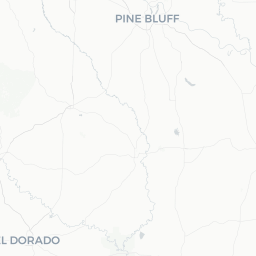
College Station is a small unincorporated community in Pulaski County, Arkansas, with a population of roughly 600 residents. It sits in central Arkansas, just east of Little Rock, the state capital. Because it is unincorporated, it lacks the formal civic infrastructure of a standalone city — there is no downtown core, no dedicated visitor center, and most services are accessed through neighboring communities.
For travelers, College Station functions primarily as a residential enclave within the broader Little Rock metropolitan area. Its significance to visitors lies mainly in its convenient location near major highways and the amenities of Little Rock, which is only a short drive away. Those who find themselves in College Station are typically visiting family or friends, passing through the region, or using it as an affordable base for exploring central Arkansas.
Before You Go
Visas
College Station, Arkansas is located in the United States. For visa and entry requirements, check TravelerPulse's Visas section and consult the U.S. Department of State or the official immigration authority relevant to your nationality.
What to Know Before Arriving
- College Station has very limited local amenities — stock up on supplies in Little Rock or nearby Jacksonville before arriving.
- A personal vehicle is essentially required; there is no meaningful public transit serving this community.
- The area experiences hot, humid summers (temperatures regularly above 90°F/32°C) and mild but occasionally icy winters. Plan clothing accordingly.
- Cell service and internet availability are generally consistent with the broader Little Rock metro area, but verify with your carrier.
Getting There
By Air
The nearest commercial airport is Bill and Hillary Clinton National Airport (LIT) in Little Rock, located a short drive west of College Station. It is served by several major U.S. carriers with connections to hub cities. Verify current routes and schedules directly with airlines or on the airport's official website.
By Road
College Station is accessible via Interstate 440 and other arterial roads in the Pulaski County area. Driving is the most practical way to reach and navigate the community. From downtown Little Rock, the community is roughly 10–15 minutes by car depending on traffic.
By Bus
Greyhound and other intercity bus services operate into Little Rock. From the Little Rock bus terminal, you would need a rideshare or rental car to reach College Station. Verify current schedules and stops locally.
Getting Around
A personal vehicle is the only practical means of getting around College Station and the surrounding area. The community is not served by public bus routes in any meaningful way.
Rideshare apps such as Uber and Lyft operate in the Little Rock metro area and may reach College Station, though availability can vary at off-peak hours. Verify coverage before relying on these services. Car rentals are available at Clinton National Airport and at locations in Little Rock.
Things to See & Do
College Station itself has no dedicated tourist attractions, parks, or cultural venues. Visitors are best served by looking to the broader Little Rock area for activities.
Nearby in the Little Rock Metro
- Arkansas State Capitol — the working capitol building in Little Rock offers public tours; verify hours on the official state website.
- Little Rock Central High School National Historic Site — a significant civil rights landmark managed by the National Park Service; check nps.gov for current visitor information.
- Riverfront Park — a public park along the Arkansas River in downtown Little Rock with walking paths and green space.
- Arkansas River Trail — a multi-use paved trail system suitable for cycling and walking, accessible from multiple points in the metro area.
Outdoor recreation in Pulaski County includes fishing and boating on the Arkansas River and at nearby lakes; verify access points and any permit requirements locally.
Food & Drink
There are no restaurants or bars within College Station itself. All dining and grocery options are found in neighboring communities — primarily Little Rock, Jacksonville, or other Pulaski County towns accessible by car.
Little Rock has a well-regarded local food scene with options ranging from Southern comfort food and barbecue to contemporary American and international cuisine. The River Market District in downtown Little Rock is a popular area for restaurants and cafes. Grocery stores and fast-food outlets are plentiful along major commercial corridors in the metro area.
Practical Information
Emergency Services
In the United States, dial 911 for police, fire, or medical emergencies. Non-emergency contact numbers for Pulaski County Sheriff's Office and local fire districts should be verified locally or on the Pulaski County official website.
Medical Care
The nearest hospitals and urgent care clinics are located in Little Rock. Verify the closest facility to your specific location upon arrival.
Money
ATMs and banks are not located within College Station; the nearest are in Little Rock and surrounding communities. Major credit cards are widely accepted throughout the metro area.
Connectivity
Broadband internet and mobile coverage are generally available consistent with the Little Rock metro area. Confirm specifics with your service provider.
Safety
College Station is a quiet residential community and does not present unusual safety concerns for visitors. Standard precautions appropriate to any U.S. suburban or rural community apply: keep vehicles locked, be aware of your surroundings, and secure valuables.
The area can experience severe weather including thunderstorms, high winds, and occasional tornado watches, particularly in spring. Monitor local weather alerts via the National Weather Service (weather.gov) and know where to shelter if a warning is issued. Summer heat and humidity can be significant; stay hydrated and limit prolonged outdoor exposure during peak afternoon hours.