Translate

Overview
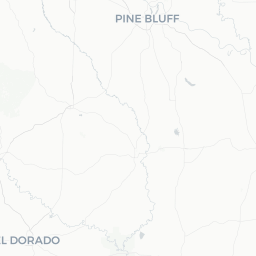
Fountain Lake is a small unincorporated community in Garland County, Arkansas, with a population of roughly 500 people. It sits in the Ouachita foothills of central Arkansas, just west of Hot Springs, and takes its name from the broader lake-and-recreation corridor that defines this part of the state.
The community is primarily residential and rural in character. Visitors rarely come specifically to Fountain Lake itself; instead, it functions as a quiet, affordable landing point for people exploring the surrounding region — particularly Lake Ouachita, Hot Springs National Park, and the Ouachita National Forest. If you value low-key surroundings and easy access to outdoor recreation without the crowds of a resort town, this corner of Garland County delivers.
Because of its small size, Fountain Lake has virtually no commercial tourism infrastructure of its own. Travelers should plan to use nearby Hot Springs (roughly 10–15 miles east) for restaurants, lodging, and services, treating Fountain Lake as a peaceful base or a passing point on a broader Arkansas road trip.
Getting There
By Air
The nearest commercial airport with regular service is Bill and Hillary Clinton National Airport (LIT) in Little Rock, approximately 55–60 miles east. Rental cars are available at the airport, and driving to Fountain Lake takes roughly one hour via US-70 or I-30/US-270.
By Car
Fountain Lake is most conveniently reached by personal vehicle. US Highway 270 is the primary east–west corridor connecting the area to Hot Springs and onward to Little Rock. From Hot Springs, follow US-270 westward into Garland County.
By Bus
No direct intercity bus service stops in Fountain Lake. Greyhound and other regional carriers serve Hot Springs; from there, a personal vehicle or rideshare is necessary to reach the community.
Getting Around
A personal vehicle is essential in and around Fountain Lake. There is no local public transit, and ride-hailing coverage (Uber/Lyft) may be limited or inconsistent — verify availability before relying on it.
Roads in the area are a mix of US highways and county roads. Most are well-maintained, though some rural routes can be narrow and winding through the Ouachita hills. If you plan to access trailheads or boat ramps around Lake Ouachita, a standard passenger vehicle is generally sufficient; verify conditions locally for unpaved forest roads.
Where to Stay
There are no well-documented hotels or motels within Fountain Lake proper. Travelers generally stay in Hot Springs, which has a wide range of lodging from budget motels to historic inns along US-70 and Central Avenue. Verify current availability and rates on booking platforms.
Camping is a practical and popular alternative. The Ouachita National Forest and Lake Ouachita State Park both offer developed and primitive campsites. Fees, reservations, and availability should be confirmed through Recreation.gov or the Arkansas State Parks website before your trip.
Short-term rentals (cabins, vacation homes) listed on platforms such as Airbnb or VRBO occasionally appear in the broader Garland County rural area; search by map to find options near the lake corridor.
Things to See & Do
The appeal of visiting this part of Garland County is overwhelmingly outdoor and nature-based. Fountain Lake itself is a short drive from several significant recreational areas.
Lake Ouachita
Lake Ouachita, one of the cleanest lakes in the United States, is roughly 20–30 miles northwest and offers fishing, boating, kayaking, swimming, and scuba diving. The lake has several marinas and access points; verify current hours and fees locally or through the U.S. Army Corps of Engineers.
Hot Springs National Park
Located in downtown Hot Springs about 10–15 miles east, Hot Springs National Park preserves historic bathhouses along Bathhouse Row and offers hiking trails on the surrounding forested hillsides. Admission and hours: verify at the National Park Service official site (nps.gov/hosp).
Ouachita National Forest
The surrounding Ouachita National Forest provides hiking, mountain biking, and camping across hundreds of thousands of acres. The Ouachita Trail passes through the region. Trail conditions and permit requirements should be confirmed with the U.S. Forest Service.
- Fishing (largemouth bass, crappie, catfish) in area lakes and streams
- Bird watching in riparian and forest habitats
- Photography of the Ouachita hill country landscapes
Food & Drink
Fountain Lake has no significant restaurant or commercial dining scene of its own. Travelers should plan meals in Hot Springs, where a full range of options exists — from classic Arkansas diner food and barbecue to more varied dining along Central Avenue and Malvern Avenue.
If you are self-catering or camping, stock up on groceries in Hot Springs before heading toward Fountain Lake or the forest. Options for purchasing supplies thin out considerably once you move west of the city.
Practical Information
Connectivity
Cell service can be patchy in the Ouachita hill country and forested areas west of Hot Springs. Download offline maps and any trail information before leaving areas with reliable coverage.
Emergency Services
For emergencies in Arkansas, dial 911. Garland County is served by local sheriff and fire departments; the nearest full-service hospital is in Hot Springs. Confirm the address and contact of the nearest medical facility before remote outdoor activities.
Weather Preparedness
Arkansas weather can shift quickly. Summers are hot and humid (frequently above 90°F/32°C). Spring and fall bring the most comfortable conditions but also the possibility of severe thunderstorms. Check weather forecasts daily and be prepared for rapid changes, especially if camping or hiking.
Visas
For US entry requirements, visit TravelerPulse's Visas section and the official US Customs and Border Protection website (cbp.gov). Requirements vary significantly by nationality.
Safety
Fountain Lake and the surrounding Garland County area are generally quiet and low-crime. Standard rural travel precautions apply: let someone know your plans if hiking remotely, carry water and a first-aid kit, and be aware of wildlife including ticks, copperhead snakes, and occasional black bears in the Ouachita backcountry.
Tick-borne illnesses are a real concern in Arkansas woodlands, particularly in spring and summer. Wear long sleeves and pants when hiking, use insect repellent, and check thoroughly for ticks after outdoor activity.
Flash flooding can occur in low-lying areas and creek crossings during heavy rain. Heed any flood warnings and avoid crossing flooded roads.