Overview
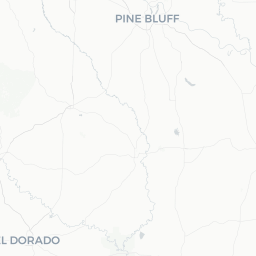
Piney is a small unincorporated community in Garland County, Arkansas, situated in the foothills of the Ouachita Mountains. With a population of roughly 4,700, it functions more as a quiet residential and gateway area than a destination in its own right. The community sits close to Lake Ouachita — one of the cleanest lakes in the United States — and is within easy reach of the Ouachita National Forest, making it a practical base for outdoor enthusiasts.
The surrounding landscape is characterized by dense pine and hardwood forests, rolling hills, and clear waterways. Visitors typically pass through or stay near Piney when exploring the greater Hot Springs region, which lies roughly to the southeast. The pace of life here is unhurried, and the appeal is largely natural rather than urban.
Getting There
Piney is accessible primarily by car. It lies along or near Arkansas Highway 270, a main corridor connecting Hot Springs to the west and Mount Ida to the east.
Nearest Airports
- Hot Springs Memorial Field (HOT) in Hot Springs is the closest regional airport, approximately 20–25 miles to the southeast. Connections are limited; verify current service before booking.
- Bill and Hillary Clinton National Airport (LIT) in Little Rock is the nearest major airport, roughly 65–70 miles to the east, with broader airline options.
By Car
Driving is the most practical way to reach Piney. Major rental car agencies operate at Little Rock's airport. From Little Rock, take US-70 or I-30 west toward Hot Springs, then follow Highway 270 west toward the Lake Ouachita area.
Getting Around
A personal vehicle is essentially required once in the Piney area. There is no local public transit serving this community. Roads in the Ouachita foothills can be narrow and winding, particularly on forest roads — drive carefully, especially after rain.
If you plan to explore Lake Ouachita or the national forest, having a vehicle with reasonable ground clearance is helpful, though not mandatory for paved access points. Fuel up in Hot Springs or Jessieville before heading into more remote areas, as services become sparse.
Where to Stay
Accommodation directly in Piney is minimal. Most visitors stay at one of the following types of lodging in the broader area:
- Lake Ouachita State Park cabins and campsites — a popular option for those prioritizing proximity to the lake. Book through Arkansas State Parks; availability can be limited in peak summer months, so reserve well in advance.
- Campgrounds in the Ouachita National Forest — dispersed and developed camping options exist throughout the forest. Contact the U.S. Forest Service for current site availability and any required permits.
- Hot Springs has the widest selection of hotels, motels, and vacation rentals in the region and is a reasonable base for day trips into the Piney/Lake Ouachita area.
Things to See & Do
The primary draw of the Piney area is outdoor recreation tied to the surrounding natural landscape.
Lake Ouachita
Lake Ouachita is a large reservoir managed by the U.S. Army Corps of Engineers and is consistently ranked among the clearest lakes in the country. Activities include boating, fishing, kayaking, swimming, scuba diving, and camping. Lake Ouachita State Park, located nearby, provides organized access with facilities — verify current hours and fees directly with Arkansas State Parks.
Ouachita National Forest
The Ouachita National Forest stretches across millions of acres in Arkansas and Oklahoma. Trails range from easy day hikes to multi-day backcountry routes. The Ouachita National Recreation Trail passes through the region. Check with the U.S. Forest Service for current trail conditions, permit requirements, and access points.
Scenic Drives
Highway 270 west of Hot Springs offers scenic views of the Ouachita Mountains. Fall foliage season (typically October–early November) makes this drive particularly worthwhile.
Nearby Hot Springs
The historic city of Hot Springs, about 20–25 miles away, adds cultural depth to any visit — including Bathhouse Row, Hot Springs National Park, and a downtown arts and dining scene.
Food & Drink
Piney itself has very limited dining options. Travelers should expect to drive to nearby communities for meals.
- Jessieville and Mount Ida have small local eateries and convenience options along Highway 270 — verify current businesses locally before relying on them.
- Hot Springs (roughly 20–25 miles southeast) offers the widest variety of restaurants in the region, from casual diners to more established local establishments.
- If camping or staying in a cabin near Lake Ouachita, stocking up on groceries in Hot Springs before arrival is strongly recommended, as options closer to the lake are sparse.
Practical Information
Connectivity
Cell service in the Ouachita foothills and forest areas can be unreliable. Download offline maps before leaving developed areas, and don't rely solely on GPS navigation in remote sections.
Weather
Summers are hot and humid, with temperatures regularly exceeding 90°F (32°C). Winters are mild by national standards but can bring occasional ice storms. Spring and fall offer the most comfortable conditions for outdoor activity.
Emergency Services
Garland County is the governing county for this area. For emergencies, dial 911. The nearest hospitals and urgent care facilities are in Hot Springs — verify current locations and hours before your trip.
Visas
Piney is in the United States. For current entry and visa requirements, visit TravelerPulse's Visas section and check the official U.S. Customs and Border Protection website for the most up-to-date information relevant to your nationality.
Safety
Piney and the surrounding Garland County area are generally safe. Standard rural travel precautions apply:
- Let someone know your plans if hiking in the Ouachita National Forest, particularly on less-traveled trails.
- Wildlife in the area includes white-tailed deer, wild turkey, and occasionally black bears and venomous snakes — observe from a distance and store food securely when camping.
- Water conditions on Lake Ouachita can change; check weather forecasts before boating or kayaking.
- Seasonal hunting is permitted in portions of the national forest; check U.S. Forest Service guidance on open seasons and wear high-visibility clothing if hiking during hunting periods.