Translate


Overview
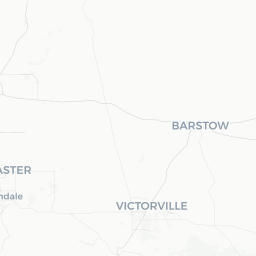
Green Valley is a small, unincorporated rural community in Los Angeles County, California, situated in the western reaches of the Sierra Pelona Mountains at roughly 3,000 feet elevation. With a population of just over 1,000 residents, it functions primarily as a quiet residential area surrounded by chaparral-covered hills and open range land.
The community sits along Green Valley Road, which connects it to the broader Santa Clarita Valley to the south. Its elevation gives it a noticeably different character from the suburban sprawl of nearby Santa Clarita — cooler temperatures, less traffic, and a semi-rural atmosphere that attracts visitors looking for day hikes, picnics, and a break from urban life.
Green Valley is not a destination built around tourism infrastructure. There are no major hotels, theme parks, or commercial districts. Its appeal lies in its accessibility to natural spaces and its proximity to several well-known recreation areas within and around Angeles National Forest. Travelers who visit typically do so as part of a broader exploration of the northern Los Angeles County backcountry.
Getting There
Green Valley is accessible primarily by private vehicle. It lies roughly 40–50 miles northwest of downtown Los Angeles, and can be reached via Interstate 5 north to the Santa Clarita area, then via local roads including Sierra Highway and Green Valley Road heading into the hills.
The nearest major airports are Los Angeles International Airport (LAX) and Hollywood Burbank Airport (BUR). Burbank is generally the more convenient option for this part of Los Angeles County. Verify current ground transportation options from each airport before travel, as shuttle and rideshare availability to rural areas like Green Valley is limited.
Public transit does not serve Green Valley in any practical way for visitors. A rental car or personal vehicle is strongly recommended. Road conditions on some local mountain roads can be affected by seasonal weather — check Caltrans road condition reports before driving, especially in winter.
Getting Around
Once in Green Valley, a private vehicle is essentially the only practical means of getting around. The community is spread out along Green Valley Road and surrounding rural lanes, with no local bus service or rideshare coverage to speak of.
Roads in the area are generally paved but can be narrow and winding in places. Some access roads to trailheads or recreation areas may be unpaved — verify road conditions locally or through the U.S. Forest Service before heading out, particularly after rain.
Things to See & Do
Natural Recreation
The primary draw for visitors is the surrounding natural landscape. The area borders or provides access points toward Angeles National Forest, offering opportunities for hiking, trail running, birdwatching, and landscape photography. Trails vary in difficulty; verify current trail conditions with the U.S. Forest Service (fs.usda.gov) before heading out, as closures due to fire, weather, or maintenance are not uncommon in this region.
Scenic Driving
Green Valley Road and the surrounding network of mountain roads offer pleasant scenic drives through chaparral and oak woodland. This is a popular activity for residents and day-trippers from the Santa Clarita Valley.
Stargazing
The low population density and limited light pollution compared to the Los Angeles basin make the Green Valley area reasonably good for casual stargazing on clear nights. No organized facilities exist for this — it is an informal activity best done from private property or legal pullouts on public roads.
- Hiking and trail access (verify specific trailheads locally)
- Nature photography
- Picnicking in designated areas within nearby national forest lands
- Scenic and heritage drives through the northern LA County backcountry
Food & Drink
Green Valley has very limited food and beverage options within the community itself. Visitors should plan to bring their own food and water for day trips, or eat before arriving.
The nearest concentration of restaurants, cafes, and grocery stores is in the Santa Clarita Valley communities of Castaic and Val Verde to the south, and Acton to the east. Stock up on supplies before heading into the hills. If you are hiking or spending extended time outdoors, carrying sufficient water is essential — potable water is not reliably available at informal recreation spots in this area.
Practical Information
Visas and Entry
Green Valley is in the United States. For visa and entry requirements, check TravelerPulse's Visas section and consult the U.S. Department of Homeland Security's official immigration resources for your specific nationality.
Mobile Coverage
Cell phone coverage in rural mountain communities like Green Valley can be inconsistent. Download offline maps before your visit and do not rely solely on real-time navigation. Inform someone of your plans if hiking in remote areas.
Fire Safety
Los Angeles County backcountry is subject to high fire danger, particularly in summer and autumn. Check fire restrictions with the U.S. Forest Service and Los Angeles County Fire Department before any outdoor activity. Campfires may be prohibited during high-risk periods.
Weather
Elevation means temperatures in Green Valley can differ significantly from the Los Angeles basin. Summers are warm but more moderate; winters can bring occasional frost and, rarely, light snow. Layers are advisable year-round for extended outdoor time.
- Emergency services: dial 911
- Verify all local facility hours and access conditions before visiting
- Nearest hospitals and urgent care are in the Santa Clarita Valley — verify locations before travel
Safety
Green Valley is a quiet residential community with no particular safety concerns associated with visitor activity. Standard rural travel precautions apply.
Wildlife encounters are possible in the surrounding hills — coyotes, rattlesnakes, and black bears have ranges that include this part of Los Angeles County. Make noise on trails, keep food secured, and leave wildlife undisturbed. The California Department of Fish and Wildlife provides guidance on coexisting safely with local species.
Fire risk is the most significant safety consideration for this region. Always check current fire conditions and any active restrictions before outdoor activity. Have an exit route in mind, as mountain roads can have limited access points.