 Translate
The Essence of Sultan Mahmud Badaruddin II Airport
A closer look
Living guide content for Sultan Mahmud Badaruddin II Airport — read or listen in 46+ languages.
Don't make the mistake of grabbing something generic before you reach Sultan Mahmud Badaruddin II Airport, because Palembang's culinary identity follows you right through the departure gates. The domestic terminal's food court is a genuinely satisfying stop, anchored by stalls serving pempek — the city's beloved fish cake — in several forms, from the crispy kapal selam stuffed with egg to bite-sized adaan rolled in spiced batter. Pair it with a cup of cuko, the sharp, garlicky vinegar dipping sauce, and you'll understand why locals treat pempek as non-negotiable airport fare.
Beyond the food court, a handful of sit-down cafés and quick-service spots line the main concourse, offering mie celor, Palembang's rich coconut-milk noodle soup crowned with shrimp and boiled egg, alongside tekwan, a delicate fish-ball broth that warms you before an early flight. The options lean toward local and regional rather than international chains, which is genuinely refreshing. Coffee from South Sumatra's highlands — bold, earthy, and served strong — is available at several counters and makes for a far better pre-flight ritual than anything you'd find at a generic franchise.
One practical note: the airport is modestly sized, so the dining footprint is compact and seating can fill quickly during peak morning and afternoon departure windows. Arrive with at least an hour to spare if you want to sit down comfortably and eat without rushing. Prices are fair and portions are generous by airport standards, and the staff at most stalls are happy to explain dishes to first-timers. Think of the food court here less as a convenience stop and more as your last, unhurried taste of one of Indonesia's most underrated food cities.
Gateway to South Sumatra's capital and cultural heritage.
- ›Named after Sultan Mahmud Badaruddin II, a Palembang sultan who fought against Dutch colonial forces in the early 19th century.
- ›The airport was significantly upgraded ahead of the 2018 Asian Games co-hosted by Palembang.
- ›It is one of the busiest airports in Sumatra by passenger traffic.
- ›The airport's original infrastructure dates to the Dutch colonial era, around 1939.
- ›Palembang is one of Indonesia's oldest cities, and the airport serves as a key entry point to historical sites like the Great Mosque of Palembang.
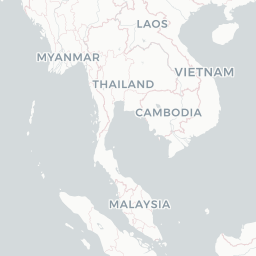
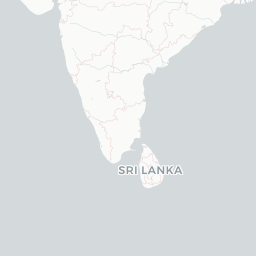
Route map (8 destinations)






Airlines serving this airport
Routes
Pick what matters for your layover or early flight, then compare on your favorite booking site.
TravelerPulse may receive compensation when you book or purchase through some of the links on this page, at no additional cost to you. Prices and availability are set by the booking provider and may change. We never share your private trip details with partners — only the destination, dates and party size you searched.
City & Place Guide
No guide exists for this place yet — Click to generate a Traveler Pulse guide.
Passport, Visa & Immigration
Flying internationally via PLM? Check entry, transit and customs requirements for Indonesia from official government sources.

Sultan Mahmud Badaruddin II International Airport is an international airport serving the city of Palembang, the capital and largest city of South Sumatra, Indonesia, as well as its surrounding areas. The airport is located in the Talang Betutu district, approximately 10 km from the city center. Formerly known as Talang Betutu Airport, it was later renamed in honor of Sultan Mahmud Badaruddin II (1767–1852), the last sultan of Palembang and a revered Indonesian national hero. The airport is the primary gateway to Palembang and South Sumatra, offering flights to key cities across Indonesia, including Jakarta, Surabaya, Medan, and Yogyakarta. The airport also offers international flights to Kuala Lumpur, Malaysia, and Singapore. These services were suspended during the COVID-19 pandemic in 2020, and in 2024 the airport’s international status was temporarily revoked due to the absence of international operations. The status was reinstated the following year.
Read full article on Wikipedia
