Tłumacz


Overview
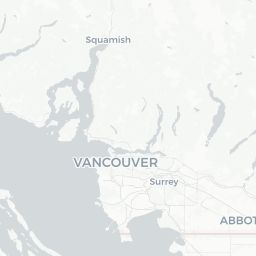
Comox is a small coastal town on the eastern shore of Vancouver Island, sitting at the northern end of the Comox Valley alongside its neighbours Courtenay and Cumberland. With a population of roughly 15,000, it has a relaxed, community-oriented character shaped by its dual identity as a waterfront town and a gateway to year-round outdoor recreation.
The town overlooks Comox Harbour and Comox Bay, with views across the Strait of Georgia toward the Coast Mountains on clear days. CFB Comox, one of Canada's largest air force bases, has long been central to the local economy and gives the town a practical, no-frills quality alongside its natural beauty.
Visitors are typically drawn by the proximity to Mount Washington Alpine Resort, the sheltered waters ideal for kayaking and sailing, and the agricultural richness of the Comox Valley — a region known for craft beer, local farms, and seafood. The pace is unhurried, and infrastructure is modest but functional.
Before You Go
Visas and Entry
Entry requirements for Canada depend on your nationality and how you arrive. Check TravelerPulse's Visas section for general guidance, and verify current requirements with Immigration, Refugees and Citizenship Canada (IRCC) at the official government website before travelling.
Health and Insurance
Canada does not offer free healthcare to visitors. Comprehensive travel health insurance is strongly recommended. Pack any prescription medications in their original labelled containers and carry a doctor's letter if needed.
What to Pack
- Layers are essential year-round; coastal weather can shift quickly
- Waterproof jacket and footwear for hiking and beach walks
- Sunscreen in summer — UV intensity is higher than many visitors expect
- If skiing or snowboarding, verify gear rental availability at Mount Washington ahead of peak season
Connectivity
Major Canadian carriers provide coverage in Comox. Visitors from outside Canada should check roaming costs or consider a local SIM. Wi-Fi is available in most accommodation and many cafés.
Getting There
By Air
Comox Valley Airport (YQQ) is located just outside town and receives scheduled flights from Vancouver (YVR) and Calgary (YYC). Verify current carriers and schedules directly with the airport or booking platforms, as routes can change seasonally.
By Ferry and Road
Many visitors combine a BC Ferries crossing with a drive up Vancouver Island. The most common route is the Tsawwassen–Departure Bay (Nanaimo) ferry, followed by a drive north on Highway 19 — roughly 1.5 to 2 hours from Nanaimo to Comox/Courtenay. Another option is the Horseshoe Bay–Departure Bay route. Check BC Ferries for current schedules and reservation options, particularly in summer when ferries can fill quickly.
By Bus
BC Transit and private coach services connect communities along Vancouver Island's eastern corridor. Verify current routes and schedules locally, as service frequency to smaller communities can be limited.
Getting Around
Comox is a compact town and central areas are walkable, but to reach Mount Washington, Courtenay, Cumberland, or trailheads you will generally need a vehicle. Renting a car at the airport or in Courtenay is the most practical option for visitors who want flexibility.
BC Transit operates local bus routes across the Comox Valley connecting Comox, Courtenay, and Cumberland. Service is more limited on evenings and weekends — verify current schedules with BC Transit before relying on it for specific trips.
Ride-hailing apps have limited availability in smaller Vancouver Island communities. Taxis operate locally; confirm availability with your accommodation. Cycling is feasible within town and on the Courtenay Riverway trail system, and some accommodation offer bike rentals or can direct you to rental providers.
Where to Stay
Accommodation in Comox itself is limited compared to neighbouring Courtenay, which has a wider range of hotels, motels, and B&Bs. Staying in either town gives reasonable access to the valley's attractions.
Options range from standard chain-affiliated motels to smaller independent inns and bed-and-breakfasts. Short-term rental platforms (Airbnb, VRBO) list properties throughout the valley and can be a practical choice for families or groups. During peak summer months and winter ski season weekends, availability can tighten — booking ahead is advisable.
For those planning to ski at Mount Washington, note that the resort has its own slope-side accommodation; staying there reduces daily driving but limits access to valley restaurants and services. Verify what's available directly with Mount Washington.
Things to See & Do
Outdoor Recreation
- Mount Washington Alpine Resort: Located about 35 km west of Comox, this is Vancouver Island's largest ski and snowboard area in winter, and a hiking and mountain biking destination in summer. Verify lift and trail conditions before visiting.
- Kayaking and paddleboarding: Comox Harbour and the sheltered waters of Baynes Sound offer calm conditions suitable for most skill levels. Local outfitters offer rentals and guided tours — verify current operators locally.
- Hiking: The surrounding mountains and Strathcona Provincial Park (accessible from the Comox Valley) offer trails ranging from gentle walks to challenging alpine routes. Check BC Parks for current trail conditions.
- Goose Spit Regional Park: A narrow sand spit extending into Comox Harbour, popular for walking, swimming, and wildlife watching.
- Fishing: The Comox Valley is a productive area for salmon and bottom fishing. Guided charters operate seasonally — verify licensing requirements with Fisheries and Oceans Canada before fishing.
Wildlife and Nature
The Comox Valley is a recognized stopover on the Pacific Flyway. Birdwatching is rewarding year-round, with particular activity during migratory seasons. Seals and sea lions are commonly spotted in the harbour and bay.
Culture and History
- Comox Museum and Archives: A small local museum covering the history of the Comox Valley and the K'ómoks First Nation. Verify current hours before visiting.
- CFB Comox Air Force Museum (19 Wing Comox): Displays aircraft and memorabilia related to the base's history. Access arrangements should be confirmed in advance as this is a military installation.
Food & Drink
The Comox Valley has a genuinely productive agricultural region behind it, and local restaurants make reasonable use of seasonal produce, shellfish, and seafood from surrounding waters. Fanny Bay oysters, farmed just north of Comox, are a regional specialty worth seeking out.
Courtenay, immediately adjacent to Comox, has a broader concentration of restaurants and cafés. The dining scene overall leans casual — expect relaxed neighbourhood spots, farm-to-table bistros, and seafood-focused menus rather than formal fine dining.
Craft Beer
The Comox Valley has several craft breweries, reflecting a broader Vancouver Island trend. Cumberland Village Brewery and Gladstone Brewing (in Courtenay) are well-regarded locally. Verify current taproom hours before visiting.
Farmers' Markets
The Comox Valley Farmers' Market operates seasonally and is a practical way to encounter local produce, dairy, and artisan goods. Check current days, times, and locations before your visit as schedules can vary by season.
Practical Information
Emergency Services
In any emergency in Canada, dial 911. This connects to police, fire, and ambulance services.
Banking and Money
ATMs are available in Comox and Courtenay. Most businesses accept major credit and debit cards. Smaller vendors at markets or remote recreation operations may prefer cash — it's worth carrying some.
Tipping
Tipping is customary in Canada. Restaurant servers typically receive 15–20% of the pre-tax bill. Tip guides often appear on payment terminals.
Time Zone
Comox observes Pacific Time (PT): UTC−8 in standard time, UTC−7 during daylight saving time. British Columbia observes daylight saving time — verify current dates each year.
Useful Contacts
- BC Parks (trail and park information): bcparks.ca
- BC Ferries: bcferries.com
- Comox Valley Airport: comoxairport.com
- Tourism Comox Valley: verify the current official tourism site locally
Safety
Comox is a low-crime community and generally safe for travellers. Standard urban precautions — securing valuables in vehicles, being aware of your surroundings at night — apply as anywhere.
Outdoor safety is the more relevant concern for most visitors. Weather in the mountains and on the water can change rapidly. Hikers should carry adequate clothing, water, and navigation tools, and file a trip plan with someone reliable. Check avalanche forecasts (avalanche.ca) before backcountry winter travel near Mount Washington.
Water-based activities carry inherent risks. Wear a personal flotation device when kayaking or paddleboarding. Ocean water temperatures off Vancouver Island are cold year-round, and cold-water shock is a real hazard even on warm days.
Black bears are present in and around the Comox Valley. Follow BC's WildSafeBC guidelines: store food securely, do not approach wildlife, and know what to do if you encounter a bear on the trail.