Overview
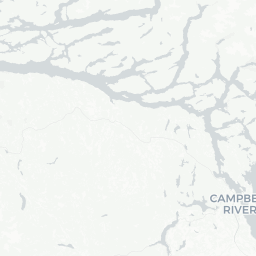
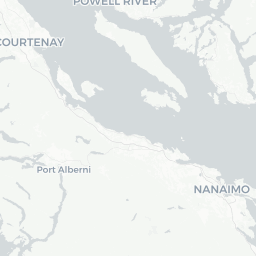
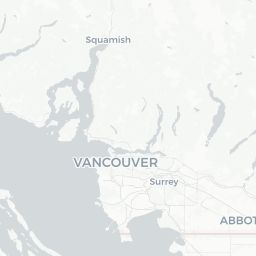
Courtenay sits near the centre of Vancouver Island's east coast, about 220 km north of Victoria, at the head of the Comox Valley. With a population of roughly 28,000, it is the largest municipality in the valley and acts as the region's commercial and cultural hub. It sits alongside the Courtenay River and is flanked by farmland, ocean inlets, and the Beaufort Range to the west.
The city has a relaxed, unpretentious character shaped by its mix of long-time residents, farmers, retirees, and outdoor enthusiasts. The downtown core has a walkable main street with independent shops, cafés, and galleries. The surrounding Comox Valley — which also includes the neighbouring communities of Comox and Cumberland — offers a concentrated range of activities within a short drive.
Courtenay is perhaps best known regionally as the closest town to Mount Washington Alpine Resort, one of Vancouver Island's primary ski destinations. In warmer months, attention shifts to hiking, cycling, kayaking, fishing, and exploring the agricultural bounty of the valley.
Before You Go
Visas and Entry
Canada has specific entry requirements that vary by nationality and travel document. Do not rely on general summaries. Check TravelerPulse's Visas section and the official Immigration, Refugees and Citizenship Canada (IRCC) website before booking.
Climate
Courtenay has a mild oceanic climate moderated by its sheltered position behind Vancouver Island's mountains. Summers (June–August) are generally warm and dry, with daytime temperatures typically in the mid-20s °C. Winters are cool and wet at valley level, with most precipitation falling as rain in town, while the higher elevations at Mount Washington receive substantial snowfall from roughly November through April. Spring and autumn can be changeable; layers are always practical.
What to Pack
- Waterproof jacket and layers year-round
- Sturdy footwear if hiking or cycling is on the itinerary
- Sun protection in summer — UV levels can be high on clear days
- Ski or snowboard gear (or plan to rent locally) if visiting in winter
Getting There
By Air
The nearest commercial airport is the Comox Valley Airport (YQQ), located in the adjacent city of Comox, approximately 10 km from downtown Courtenay. It receives scheduled flights connecting to Vancouver (YVR) and Calgary (YYC), among other destinations. Verify current routes and carriers directly with the airport or airlines, as schedules change seasonally.
Travelers preferring more flight options can fly into Vancouver International Airport (YVR) and continue by ground or ferry.
By Ferry and Road
BC Ferries operates a service between Powell River (on the mainland Sunshine Coast) and Little River in Comox, placing Courtenay within reach of a scenic multi-ferry route from Vancouver. Alternatively, travelers arriving at Nanaimo (served by ferries from Vancouver's Horseshoe Bay and Tsawwassen terminals) can drive north on Highway 19, a journey of roughly 1.5 to 2 hours depending on conditions.
By Bus
BC Bus North and connecting services provide scheduled coach service linking Courtenay to Nanaimo and Victoria. Verify current timetables and booking procedures on the operator's website before travel.
Getting Around
Courtenay itself is compact enough that downtown is walkable. However, the broader Comox Valley — including Comox, Cumberland, and the Mount Washington access road — requires a vehicle for practical exploration.
Renting a car at Comox Valley Airport is the most flexible option and is recommended for visitors who want to reach hiking trailheads, farm stands, or the ski resort independently. Taxis and ride-hailing services operate locally; verify current availability on arrival. Cycling is popular in and around the valley, and bike paths connect several communities, though road shoulders on highway sections can be narrow.
Comox Valley Transit System operates bus routes covering Courtenay, Comox, Cumberland, and parts of the surrounding area. Schedules and route maps are available through BC Transit's website. A seasonal shuttle runs to Mount Washington from the valley floor during winter; confirm current operation before your trip.
Where to Stay
Courtenay and the Comox Valley offer accommodation across a range of types. Downtown Courtenay and the Comox area have mid-scale hotels and motels. Bed-and-breakfast operations exist throughout the valley, often on rural or semi-rural properties. Short-term vacation rentals (via major platforms) are widely available and popular with families and groups visiting for outdoor activities.
Mount Washington Alpine Resort has slopeside accommodation suitable for ski season stays; book well in advance for winter holiday periods as availability tightens significantly. Verify current rates and availability directly with properties, as pricing fluctuates with season and demand.
Campsites are available at several provincial parks in the region, including Miracle Beach Provincial Park north of Courtenay along the coast. Reservations through BC Parks are strongly advised in summer months.
Things to See & Do
Mount Washington Alpine Resort
About 35 km west of Courtenay, Mount Washington offers downhill skiing, snowboarding, snowshoeing, and Nordic trails in winter. In summer the resort transitions to hiking, mountain biking, and sightseeing via its lift system. Verify current operating seasons, lift hours, and trail conditions on the resort's official website before visiting.
Outdoor Recreation in the Valley
- Hiking: Strathcona Provincial Park, just west of Mount Washington, contains some of Vancouver Island's most dramatic alpine terrain. Day hikes accessible from the park's eastern edges are popular; backcountry trips require planning and appropriate gear.
- Cycling: The Comox Valley has a network of recreational trails including a paved multi-use path along the waterfront. Cumberland, a short drive from Courtenay, is widely known among mountain bikers for its extensive community trail network.
- Kayaking and paddling: The estuary and coastal waters around Comox Harbour and nearby Baynes Sound offer flat-water paddling opportunities. Operators offering rentals and guided tours are present locally; check current listings on arrival.
- Fishing: The Comox Valley has a fishing culture rooted in both freshwater and saltwater angling. The Puntledge River runs through Courtenay. Licensing requirements apply; check Fisheries and Oceans Canada regulations.
Cultural and Community Attractions
The Courtenay and District Museum, located downtown, holds exhibits focused on the area's Indigenous history, natural history (including notable fossil finds from the region), and settler heritage. The Comox Valley Art Gallery presents rotating exhibitions by regional and national artists. Both are modest in size and suit a half-day visit.
Nearby Communities
Cumberland, about 10 km south of Courtenay, has evolved into an arts-oriented small town with independent cafés, a historic Chinatown remnant, and the mountain biking trails mentioned above. It makes a worthwhile half-day side trip.
Food & Drink
Courtenay's food scene reflects its agricultural surroundings. The Comox Valley is productive farmland, and local restaurants draw on regional produce, seafood from the Strait of Georgia, and island-raised meats. Farmers markets operate seasonally in the valley; verify current days and locations locally or through Tourism Comox Valley.
Downtown Courtenay has a range of independent restaurants, cafés, and bakeries. Seafood — particularly oysters from Baynes Sound and Dungeness crab — features prominently when in season. The valley also has a small but established craft brewing presence, with at least one local brewery operating in Courtenay and another in Cumberland; hours and taproom availability should be confirmed on arrival.
For grocery shopping, several supermarkets serve the city and are the practical choice for self-catering travelers or those staying in rental accommodations.
Practical Information
Money
Most businesses in Courtenay accept major credit and debit cards. ATMs are present throughout downtown and at major supermarkets. Some smaller farm stands or market vendors may prefer cash; it is useful to carry some.
Health and Emergency Services
North Island Hospital Comox Valley provides acute care services to the region. In an emergency, dial 911. For non-emergency police matters, contact the RCMP (Royal Canadian Mounted Police) detachment in Courtenay. Pharmacies are available in town; verify hours locally.
Connectivity
Mobile coverage from major Canadian carriers (Rogers, Telus, Bell) is generally reliable in Courtenay and Comox. Coverage may diminish on remote trails, in the backcountry, and on some sections of road approaching Strathcona Provincial Park. Download offline maps before venturing into the mountains.
Tipping
Tipping is standard practice in Canada. A gratuity of 15–20% is customary at sit-down restaurants. Tipping for other services (taxis, guides, hotel housekeeping) follows similar conventions to elsewhere in Canada.
Safety
Courtenay is generally a safe community with a low violent crime rate relative to larger Canadian cities. Standard urban precautions apply — keep valuables out of sight in parked vehicles and be aware of your surroundings at night.
Outdoor safety deserves more attention for most visitors. Conditions in Strathcona Provincial Park and at elevation can change rapidly. Hikers should carry adequate water, food, a map, and appropriate clothing regardless of forecast. Black bears are present in the region; follow BC Parks guidelines on bear awareness and food storage. Cougar sightings, while uncommon, do occur. Report aggressive wildlife encounters to the BC Conservation Officer Service.
Winter driving on the Mount Washington access road requires winter tires; chains may be required during heavy snowfall. Check road conditions through DriveBC before departing.