Overview
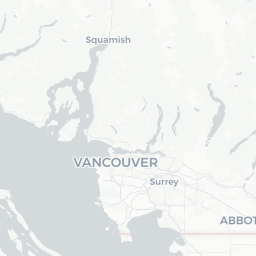
East Hastings is not a separate municipality but a dense, historically layered neighbourhood corridor in the eastern part of Vancouver, British Columbia. The area takes its name from Hastings Street, the long arterial road that runs east from downtown Vancouver through a succession of communities with markedly different characters.
The neighbourhood is perhaps most internationally recognised for the stretch of Hastings Street near Main Street — often called the Downtown Eastside (DTES) — which faces well-documented challenges around poverty, housing insecurity, and substance use. Moving further east along Hastings, however, the corridor transitions through working-class residential blocks, independent businesses, community gardens, and culturally diverse commercial strips.
For travellers, East Hastings offers an unvarnished look at urban Vancouver that contrasts sharply with tourist-facing neighbourhoods like Gastown or Yaletown. Visitors should approach with awareness and respect: this is a living community, not an attraction. The area is home to long-standing Indigenous, Chinese, Japanese-Canadian, and South Asian communities, each of which has shaped its streetscape and culture.
Before You Go
Visas and Entry
Canada's entry requirements depend on your nationality and method of arrival. For current visa and eTA (Electronic Travel Authorization) requirements, check TravelerPulse's Visas section and the official Immigration, Refugees and Citizenship Canada (IRCC) website.
What to Know Before You Visit
- East Hastings is an urban neighbourhood, not a resort destination. Manage expectations accordingly — there are no landmark tourist attractions in the traditional sense.
- The western end of the Hastings corridor (near Main and Columbia Streets) is one of Canada's most visible sites of urban poverty and addiction. Travellers should be respectful, avoid photographing individuals without consent, and be prepared to encounter visible distress.
- Further east (roughly past Clark Drive toward Nanaimo Street and beyond), the neighbourhood feels considerably more residential and commercial in a everyday sense.
- Weather in Vancouver is mild but wet outside of summer. Pack layers and waterproof outerwear for visits between October and April.
- The Canadian dollar is the only accepted currency; credit and debit cards are widely accepted, though some small independent businesses may prefer cash.
Getting There
By Air
Vancouver International Airport (YVR) in Richmond is the primary arrival point for most visitors. From YVR, the Canada Line SkyTrain connects to downtown Vancouver in roughly 25–30 minutes; onward travel to East Hastings requires a transfer to the Expo Line or a bus. Verify current schedules and fares with TransLink.
By Train
VIA Rail serves Vancouver's Pacific Central Station on Main Street — a useful arrival point if travelling from elsewhere in Canada. Pacific Central is within a short bus or SkyTrain ride of the East Hastings corridor.
By Bus
Greyhound Canada ceased most intercity routes, but other regional bus services operate into Vancouver. Verify current intercity options locally or through BC transit authorities.
By Car
Vancouver is accessible via Highway 1 (Trans-Canada) from the east, and Highway 99 from the south (US border crossing at Peace Arch or Pacific Highway). Parking in the area is available on-street and in municipal lots; verify current restrictions and payment methods on posted signage.
Getting Around
East Hastings is served by TransLink, Metro Vancouver's integrated public transit authority, which operates buses along Hastings Street (including the frequent 95 B-Line rapid bus) and nearby SkyTrain stations on the Expo Line (Commercial–Broadway and others).
The neighbourhood is walkable once you are in a specific section of Hastings, though the full corridor is several kilometres long — transit or cycling is practical for covering larger distances. Vancouver has an extensive network of protected bike lanes and a public bike-share system (Mobi by Shaw); verify current coverage and pricing on the Mobi website.
Ride-hailing services (Uber, Lyft) and taxis operate throughout Vancouver and can be useful for late-night or point-to-point travel. Walking at night on the western end of Hastings Street is not recommended for unfamiliar visitors (see Safety section).
Things to See & Do
Community and Cultural Spaces
- Strathcona neighbourhood (immediately south of East Hastings) is one of Vancouver's oldest residential areas and contains heritage homes, community gardens, and the Strathcona Community Centre. It is worth a walking exploration.
- Hastings Park / PNE Grounds: At the eastern end of the corridor near Renfrew Street sits Hastings Park, a large public green space that hosts the Pacific National Exhibition (PNE) fairgrounds, a seasonal amusement park (Playland), a horse-racing track (Hastings Racecourse — verify current operating status), and year-round park space. Check pne.ca for current event schedules and admission information.
- Japanese Canadian War Memorial and Powell Street area: The Powell Street corridor (just south of Hastings) is the historical heart of Vancouver's Japantown (Nihonmachi). The Powell Street Festival, held annually in summer, celebrates Japanese-Canadian culture.
- Carnegie Community Centre: Located at the corner of Main and Hastings, the Carnegie is a historic Carnegie library building (1903) now operating as a community centre serving DTES residents. It is a landmark of local social history.
Arts and Independent Culture
The East Hastings corridor has a scattered but genuine independent arts scene — small galleries, community murals, and DIY music venues appear throughout. Programming changes frequently; check local listings in the Georgia Straight or Daily Hive Vancouver for current events.
Food & Drink
East Hastings and the surrounding blocks offer a genuinely diverse and largely unpretentious food scene, with particular strengths in South and East Asian cuisines reflecting the neighbourhood's demographics.
What to Expect
- Independent Vietnamese, Chinese, South Asian, and Latin American restaurants and cafés are spread along the corridor, particularly east of Clark Drive.
- The Commercial Drive neighbourhood (accessible from East Hastings via a short transit ride or walk south) is renowned for its Italian-influenced café culture, independent restaurants, and produce markets — a worthwhile detour.
- Hastings Street itself has a number of long-established diners, bakeries, and takeaway spots popular with locals. Prices tend to be more affordable than in central Vancouver neighbourhoods.
- Craft beer culture is strong in East Vancouver broadly; a number of breweries and taprooms have opened in the wider area in recent years. Verify current locations and hours locally.
Alcohol is served in licensed establishments; the legal drinking age in British Columbia is 19.
Practical Information
Money
ATMs are available throughout the area. Major credit and debit cards (Visa, Mastercard, Interac) are accepted at most businesses. Some smaller or community-focused shops and food stalls may prefer cash.
Health
British Columbia has a public healthcare system, but it covers residents, not tourists. Visitors are strongly advised to carry comprehensive travel health insurance. Pharmacies (including Shoppers Drug Mart and London Drugs locations in the area) can assist with minor needs.
Connectivity
Mobile coverage is good throughout Vancouver. Free public Wi-Fi is available at Vancouver Public Library branches and many cafés. The Vancouver Public Library has a branch in the area — verify locations and hours at vpl.ca.
Tipping
Tipping is standard practice in Canadian restaurants and bars (typically 15–20% of the pre-tax bill) and for taxi and rideshare drivers. It is not generally expected at counter-service or fast-food establishments.
Safety
Travellers should be aware that the western portion of the Hastings Street corridor — roughly from Carrall Street to around Clark Drive — includes the Downtown Eastside, which has a high concentration of social services and visible homelessness, mental health challenges, and open drug use. Vancouver Coastal Health and numerous non-profit organisations operate in this area.
For most travellers passing through or visiting specific destinations (Carnegie Centre, Strathcona, etc.), the risk of direct harm is low, but situational awareness is important. Keep belongings secure, avoid displaying expensive electronics unnecessarily, and do not photograph individuals experiencing crisis or distress.
The area east of Clark Drive along Hastings is markedly calmer and is a typical urban residential and commercial environment. Hastings Park and the PNE area are family-frequented and generally feel safe during daylight and event hours.
Emergency services in Canada: Dial 911 for police, fire, or ambulance. The non-emergency Vancouver Police line and BC Crisis Line are additional resources — verify current numbers through official BC government sources.
Local Culture & Etiquette
East Hastings reflects a long history of working-class immigration and community building. The area's Japanese-Canadian community was devastated by the internment policies of World War II — thousands of residents were forcibly relocated and their properties seized. The Powell Street area preserves some of that heritage and the annual Powell Street Festival is a meaningful annual commemoration and celebration.
The neighbourhood is also home to several First Nations community organisations. Vancouver sits on the unceded traditional territories of the xʷməθkʷəy̓əm (Musqueam), Sḵwx̱wú7mesh (Squamish), and səlilwətaɬ (Tsleil-Waututh) Nations — acknowledgement of this is common and considered respectful at public events and institutions.
The Downtown Eastside has a strong tradition of community advocacy and resident-led organising. Visitors should engage with the neighbourhood's human reality thoughtfully, avoiding the 'poverty tourism' dynamic that community members have criticised.