Translate
Overview
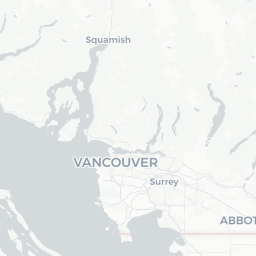
Cedar Cove is a small community in British Columbia, Canada, situated at approximately 49.29°N, 123.06°W — coordinates that place it within the greater Vancouver area on the Lower Mainland. With a population of around 6,000, it functions primarily as a quiet residential neighbourhood rather than a standalone tourist destination.
The community gained a degree of popular recognition as the filming backdrop and inspiration for the Hallmark Channel television series Cedar Cove, based on Debbie Macomber's novel series of the same name. Much of the production work for that series was actually carried out in and around the Steveston area of Richmond, BC, which contributes to some geographic confusion for visitors.
Travelers who come here typically do so as part of a broader Lower Mainland itinerary, pairing Cedar Cove with Vancouver, Richmond, or Burnaby. The area offers access to the natural scenery, waterfront character, and everyday community life that defines much of coastal British Columbia.
Before You Go
Visas and Entry
Entry requirements for Canada vary by nationality and travel document. We do not publish specific visa rules here, as they change frequently. Please visit TravelerPulse's Visas section and the official Immigration, Refugees and Citizenship Canada (IRCC) website for current and authoritative guidance before booking.
What to Pack
- Layered clothing is advisable year-round; coastal BC weather can shift quickly
- Waterproof jacket or light rain gear, particularly outside of summer
- Comfortable walking shoes for waterfront paths and parks
Health and Insurance
Canada has a publicly funded healthcare system, but it does not cover international visitors. Comprehensive travel insurance that includes medical coverage is strongly recommended. Verify coverage details with your insurance provider before departure.
Getting There
By Air
The nearest major international gateway is Vancouver International Airport (YVR) in Richmond, BC. It is served by a wide range of domestic and international carriers. From YVR, Cedar Cove's surrounding area is reachable by taxi, rideshare, or public transit.
By Public Transit
TransLink, Metro Vancouver's regional transit authority, operates bus and SkyTrain routes throughout the Lower Mainland. Depending on your exact destination within the Cedar Cove area, connections via SkyTrain and local bus routes are available. Verify current routes and schedules at the TransLink website (translink.ca) before traveling.
By Car
The area is accessible via the regional road network connecting Vancouver and its suburbs. Road conditions and construction can affect travel times, particularly on the major bridges and Highway 1. Check DriveBC (drivebc.ca) for real-time conditions.
Getting Around
Given the community's small scale, many local errands and points of interest are walkable or reachable by bicycle. TransLink bus routes serve the broader area and connect to SkyTrain stations for travel to Vancouver proper.
Rideshare apps (Uber and Lyft both operate in Metro Vancouver) and traditional taxi services offer on-demand transport. Car rental is available at YVR and at various locations throughout Metro Vancouver — useful if you plan to explore the wider Lower Mainland.
Things to See & Do
Cedar Cove itself is primarily a residential community, so visitor activity tends to center on its natural surroundings and proximity to broader regional attractions.
- Waterfront walking: The coastal geography of the area lends itself to shoreline walks with views across the water toward the mountains
- Nearby parks and green space: British Columbia's Lower Mainland is home to numerous regional and municipal parks; verify which are closest to your specific location
- TV series tourism: Visitors who are fans of the Cedar Cove Hallmark series may wish to note that primary filming took place in Steveston Village, Richmond — a well-preserved historic fishing village approximately a short drive away, and a destination in its own right
- Day trips: Vancouver, Burnaby, and Richmond all offer museums, markets, dining, and cultural institutions within easy reach
Food & Drink
Cedar Cove at this scale does not have a widely documented independent dining scene. Visitors should expect to find everyday conveniences — coffee shops, casual eateries, and grocery options — typical of a Metro Vancouver residential community.
For a broader range of dining, Richmond is particularly notable for some of the best Chinese and pan-Asian cuisine in North America, while Vancouver's neighbourhoods (Gastown, Kitsilano, Commercial Drive, and others) offer extensive options across cuisines and price points. Verify locally for current business hours and availability, as the dining landscape changes regularly.
Practical Information
Emergency Services
In an emergency anywhere in Canada, dial 911 for police, fire, or ambulance.
Connectivity
Mobile coverage in the Metro Vancouver area is generally strong. Major Canadian carriers (Rogers, Telus, Bell) provide service. International visitors should confirm roaming arrangements or consider a local SIM before arrival.
Tipping
Tipping is customary in Canada. A gratuity of 15–20% is standard at sit-down restaurants; rounding up is common for taxis and rideshares. This is a social norm rather than a legal requirement.
Currency and Payments
The Canadian Dollar (CAD) is the only legal tender. Credit and debit cards are widely accepted. ATMs are available throughout the Metro Vancouver area. Verify any foreign transaction fees with your bank before traveling.
Safety
Cedar Cove and the surrounding Lower Mainland communities are generally considered safe for travelers. Standard urban precautions apply: be aware of your surroundings, secure valuables, and avoid displaying expensive items unnecessarily.
BC's coastal weather, while relatively mild, can include heavy rain and reduced visibility. If exploring waterfront areas on foot or by bike, exercise appropriate caution near the water's edge, particularly in wet or windy conditions.
For non-emergency police matters in BC, contact the local RCMP detachment or municipal police non-emergency line — verify the correct number for the specific municipality through the official municipal or RCMP website.