Overview
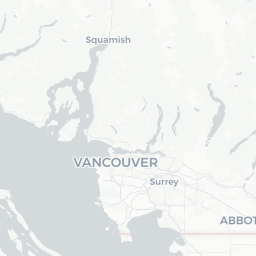
Strathcona is Vancouver's oldest surviving residential neighbourhood, sitting just east of Downtown on the traditional territories of the xʷməθkʷəy̓əm (Musqueam), Sḵwx̱wú7mesh (Squamish), and səlilwətaɬ (Tsleil-Waututh) peoples. The area's coordinates place it roughly between Chinatown to the west and Clark Drive to the east, bounded by the waterfront industrial lands to the north and Prior Street to the south.
Unlike the glass-tower skyline of Downtown, Strathcona is defined by its stock of late-19th and early-20th century heritage homes, corner stores, community gardens, and artist studios. It has historically been one of Vancouver's most socioeconomically diverse neighbourhoods and retains that character today, with long-term residents, newer arrivals, and a visible creative community sharing the same streets.
Visitors tend to discover Strathcona as an extension of Chinatown or as a destination in its own right for its independent businesses, street murals, and low-key neighbourhood atmosphere. It is compact enough to explore almost entirely on foot and sits within easy reach of several major Vancouver attractions.
Before You Go
Strathcona is a neighbourhood within the City of Vancouver, not a separate municipality, so no special permits or entry requirements apply beyond those for Canada generally. For visa and entry information, check TravelerPulse's Visas section and the official Immigration, Refugees and Citizenship Canada (IRCC) website before you travel.
The neighbourhood borders areas of Vancouver that have a visible unhoused population and active harm-reduction services, particularly near Hastings Street to the north. Visitors should be aware of this context and approach the area with the same consideration they would bring to any urban neighbourhood dealing with complex social challenges.
What to pack
- Waterproof layers are advisable between October and April; Vancouver winters are mild but wet.
- Comfortable walking shoes — the neighbourhood is best explored on foot.
- A reusable bag if you plan to shop at local markets or independent stores.
Getting There
The nearest major airport is Vancouver International Airport (YVR) in Richmond, approximately 30–40 minutes from Strathcona by car or transit depending on traffic. TransLink's Canada Line connects YVR to Downtown Vancouver, from where the neighbourhood is accessible by bus or a short taxi or rideshare ride. Verify current transit routes and fares at translink.ca.
If arriving by train, VIA Rail and Amtrak Cascades services terminate at Pacific Central Station on Main Street, which is within walking distance or a short bus ride of Strathcona. BC Ferries services from Vancouver Island dock at Tsawwassen and Horseshoe Bay terminals; both are connected to the broader Vancouver transit network.
Drivers should be aware that street parking in Strathcona is governed by City of Vancouver pay-parking rules; check signage carefully. The neighbourhood is also reachable by cycling on dedicated routes that connect to Vancouver's broader bike network.
Getting Around
Strathcona is a walkable neighbourhood. Most points of interest — heritage streetscapes, community gardens, murals, cafés, and independent shops — are within a few blocks of one another and can be covered on foot in a half-day.
TransLink buses serve the area; the routes most relevant to Strathcona run along Hastings Street, Main Street, and Prior/Venables. A Compass Card (TransLink's reloadable transit card) is the most practical way to pay for buses and SkyTrain in the broader city. Verify current routes at translink.ca.
Cycling is practical here. The neighbourhood connects to several of Vancouver's protected bike routes, and bike-share stations (Mobi by Shaw Go) are present in the broader Downtown and east side area — verify current station locations at the Mobi website. Rideshare apps (Uber, Lyft) and taxis operate throughout Vancouver.
Things to See & Do
Heritage architecture
Strathcona contains some of the oldest surviving houses in Vancouver, many dating to the 1890s and early 1900s. A self-guided walk along numbered streets such as Keefer, Georgia, and Heatley reveals a dense concentration of vernacular frame houses, many of which are heritage-designated by the City of Vancouver. The Strathcona Heritage Foundation has historically produced walking guide materials — verify current availability locally.
Strathcona Community Garden
One of the largest and longest-established community gardens in Canada, the Strathcona Community Garden occupies a site off Milross Avenue and has been tended by neighbourhood residents since the 1970s. It is a visible and freely accessible landmark that offers a quieter counterpoint to the surrounding urban landscape.
Street art and murals
The neighbourhood has an active mural scene across building facades and laneways, reflecting both the local arts community and the neighbourhood's multicultural history. No organised tour is necessary — the murals are encountered organically while walking.
Proximity to Chinatown
Strathcona abuts Vancouver's historic Chinatown, one of the oldest in North America, which adds cultural and culinary depth to any visit. The Dr. Sun Yat-Sen Classical Chinese Garden and the Chinese Canadian Museum are both within easy walking distance — verify opening hours and admission fees directly with each venue.
Local markets and events
The neighbourhood has hosted farmers markets and community events seasonally; verify current schedules through the City of Vancouver's events listings or neighbourhood association channels, as programming changes year to year.
Food & Drink
Strathcona has a small but genuine independent food and drink scene that has grown alongside the neighbourhood's arts community. Several cafés, a craft brewery, and a handful of casual restaurants are concentrated primarily along Prior Street, Hastings Street, and the area near the commercial edges of the neighbourhood. Because businesses in this area turn over, verify current operating hours and status before visiting.
The neighbourhood's proximity to Chinatown means that a wide range of Chinese and other Asian cuisine — dim sum, roast meats, Vietnamese, and more — is accessible within a short walk to the west. Main Street, a short distance to the south, has a longer and more diverse dining corridor.
Grocery options within the neighbourhood itself are limited; residents and visitors generally access larger supermarkets on Main Street or in the broader Downtown area.
Practical Information
Emergency services
For any emergency in Canada, dial 911. Non-emergency police matters in Vancouver are handled by the Vancouver Police Department; their non-emergency line is listed on the VPD website (vpd.ca) — verify the current number there.
Health
Vancouver Coastal Health operates clinics in the broader east side. The nearest major hospital with an emergency department is St. Paul's Hospital in the West End, and Vancouver General Hospital (VGH) is on the south side of the city — verify current addresses and hours at vch.ca.
Money
Most businesses in Strathcona and Vancouver broadly accept major credit and debit cards. ATMs are available in the neighbourhood and throughout the city. Tipping is customary in restaurants and taxis (typically 15–20% of the pre-tax bill).
Connectivity
Wi-Fi is available in most cafés. Canada's major carriers (Rogers, Telus, Bell, and their subsidiaries) provide good LTE/5G coverage in Vancouver. Visitors may consider a local SIM or roaming plan — verify options with your home provider before travelling.
Safety
Strathcona is a lived-in residential neighbourhood and is generally safe for visitors exploring during daytime hours. As with any urban area, standard precautions apply: keep valuables out of sight, be aware of your surroundings, and avoid leaving bags unattended.
The blocks immediately north of the neighbourhood, toward East Hastings Street, are associated with Vancouver's Downtown Eastside, an area with a visible open drug market and high rates of overdose. Visitors who wander into this area should do so with awareness; it is not a tourist zone, and some travellers may find it distressing. Harm-reduction services and outreach workers operate in the area.
At night, the quieter residential streets of Strathcona have limited foot traffic. Exercise the same awareness you would in any low-lit residential urban neighbourhood after dark.
Local Culture & Etiquette
Strathcona's history is layered. The neighbourhood was settled by European immigrants in the late 19th century, and by the mid-20th century had become home to a substantial Chinese Canadian community displaced from Chinatown by urban redevelopment pressures. In the 1960s, residents organised against a proposed freeway that would have demolished much of the neighbourhood — a campaign that became a landmark moment in Vancouver's civic history and helped establish the value of neighbourhood-scale planning advocacy.
Today the neighbourhood reflects its overlapping histories through its architecture, its community institutions, and its demographics. The Strathcona residents' association and community garden are among the oldest neighbourhood civic organisations in Vancouver. The arts community that has grown here since the 1990s coexists — not always without tension — with long-established residents and with ongoing pressures from the city's high cost of housing.
Visitors should be aware that Strathcona sits on unceded Indigenous territory. Acknowledging this context is standard practice in Vancouver and across British Columbia.