Translate


Overview
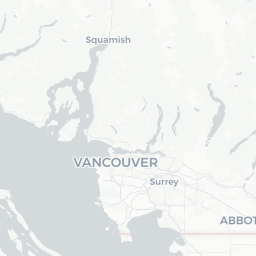
Coal Harbour is a waterfront neighbourhood on the southern shore of Burrard Inlet, situated at the western edge of downtown Vancouver, British Columbia. Despite the population figure associated with its geographic record, it functions as a dense urban residential and mixed-use district rather than a standalone city — think gleaming condo towers, a working seaplane terminal, and one of the city's most scenic harbour walks.
The neighbourhood takes its name from a brief 19th-century period when coal was found in the area, though commercial extraction never took hold. Today it is defined by its marina, the adjacent Canada Place convention and cruise ship facility, and Stanley Park at its western boundary — making it one of the most desirable and well-located districts in Metro Vancouver.
For visitors, Coal Harbour is less a traditional tourist destination and more a remarkably pleasant place to be based: walkable, safe, and bookended by two of Vancouver's signature landmarks. The seawall path runs continuously from here, connecting to the West End and Stanley Park in one direction and to Gastown and the Central Waterfront in the other.
Before You Go
Visas and Entry
Entry requirements for Canada vary by nationality. For destination-specific visa guidance, visit TravelerPulse's Visas section and cross-reference with Immigration, Refugees and Citizenship Canada (IRCC) at the official Government of Canada website before travel.
Weather
Coal Harbour sits in Vancouver's coastal climate zone. Summers (June–August) are warm and often sunny, with temperatures typically in the high teens to mid-twenties Celsius. Winters are mild but grey and wet; snow is infrequent but possible. Spring and autumn bring variable conditions. A light waterproof jacket is useful year-round.
What to Pack
- Comfortable walking shoes — the seawall and Stanley Park reward a lot of on-foot exploration
- Layers for the shoulder seasons; evenings near the water can be cool even in summer
- A reusable bag — British Columbia has restrictions on single-use plastics
- Canadian dollars or a card accepted widely; contactless payment is the norm throughout Vancouver
Getting There
By Air
Vancouver International Airport (YVR) in Richmond is the main international gateway. The Canada Line SkyTrain connects YVR to downtown Vancouver in approximately 25 minutes; Coal Harbour is within walking distance or a short taxi/rideshare ride from Waterfront Station, the SkyTrain terminus. Verify current fares and schedules with TransLink before travel.
By Seaplane
Harbour Air operates floatplane services from Coal Harbour's own seaplane terminal, connecting to Victoria (Inner Harbour), other coastal British Columbia communities, and Seattle. This is one of the most scenic ways to arrive or depart the neighbourhood. Verify schedules and fares directly with the operator.
By Rail or Bus
VIA Rail's Canadian train serves Vancouver's Pacific Central Station. BC Ferries connects Vancouver Island and the Sunshine Coast to the broader Metro Vancouver area; connecting ground transit then links to the downtown core. Greyhound-style intercity coaches also serve Pacific Central Station.
By Cruise Ship
Canada Place, directly adjacent to Coal Harbour, is a major Pacific cruise terminal. Many visitors arrive in the neighbourhood literally by stepping off a ship.
Getting Around
Coal Harbour itself is compact and highly walkable. The seawall promenade connects directly to Stanley Park, Canada Place, and the broader downtown grid without needing any transit.
TransLink's bus network and the SkyTrain Expo, Millennium, and Canada Line services cover all of greater Vancouver. Waterfront Station is the nearest major transit hub. Verify current routes, fares, and the Compass Card payment system at translink.ca.
Rideshare apps (Uber and Lyft operate in Metro Vancouver) and taxis are readily available. Mobi bike share has stations in and around Coal Harbour; verify availability and pricing through the Mobi app. For day trips to the North Shore — Grouse Mountain, Lynn Canyon, Capilano — the SeaBus from Waterfront Terminal to Lonsdale Quay is a practical and scenic option.
Where to Stay
Coal Harbour and the immediately surrounding waterfront area have several well-regarded hotels, many taking advantage of harbour and mountain views. The neighbourhood is among Vancouver's pricier addresses, reflecting both the real estate market and the quality of the location. Budget travellers typically find better value in hostels and mid-range hotels in the West End, Gastown, or Yaletown.
Short-term rental platforms operate in Vancouver subject to municipal regulations; the City of Vancouver requires hosts to hold a valid business licence and list only their principal residence. Verify compliance and current regulations before booking through any platform.
For the most current hotel rates, check booking platforms directly and compare with hotel websites. Rates fluctuate significantly by season; cruise-ship turnaround days and major convention bookings at Canada Place can affect local availability.
Things to See & Do
Walk or Cycle the Seawall
The Coal Harbour seawall section is one of the most pleasant stretches of the broader Vancouver seawall system. It runs along the harbour edge, past the marina, and connects seamlessly into Stanley Park's perimeter path. Cyclists and pedestrians have dedicated lanes. This is best experienced in the morning or evening for harbour light and mountain backdrops.
Stanley Park
Immediately west of Coal Harbour, Stanley Park is one of Canada's largest urban parks — roughly 400 hectares of temperate rainforest, beaches, and trails. The park's seawall loop, the totem poles at Brockton Point, Beaver Lake, and the Vancouver Aquarium are among its well-known features. Verify aquarium admission fees and hours directly.
Canada Place
The sail-roofed Canada Place structure houses a convention centre, a hotel, the FlyOver Canada attraction (a simulated flight experience — verify hours and pricing), and the cruise ship terminal. The outdoor promenade offers unobstructed views of Burrard Inlet, the North Shore mountains, and floatplane activity.
Harbour Watching
The Coal Harbour Marina and the seaplane terminal provide a steady stream of activity — floatplanes taking off and landing, private yachts, water taxis, and the SeaBus. Simply sitting on the waterfront and watching the harbour is a genuine local pastime.
Access to Gastown and Downtown
Coal Harbour is a short flat walk from Gastown's historic cobblestone streets, Robson Street's shopping district, and the Vancouver Art Gallery. The neighbourhood functions well as a hub for exploring central Vancouver on foot.
Food & Drink
Coal Harbour has a modest but respectable dining scene oriented toward residents and hotel guests rather than a dense tourist strip. Expect waterfront-adjacent restaurants offering Pacific Northwest cuisine — seafood features prominently — as well as casual cafés suited to the morning seawall crowd.
The broader downtown Vancouver and West End dining scenes are within easy walking distance, significantly expanding options. Robson Street and Denman Street (West End) offer a wide range of cuisines and price points. Gastown to the east is the city's most concentrated area for independent restaurants and cocktail bars.
A practical note: Vancouver's restaurant industry is subject to provincial health regulations on alcohol licensing and outdoor seating that can affect how and where you dine. Tipping at roughly 18–20% is standard practice in sit-down restaurants.
Practical Information
Emergency Services
In any emergency in Canada, dial 911 for police, fire, or ambulance.
Health
British Columbia has a public health system; visitors without provincial health coverage should carry appropriate travel insurance. Pharmacies are plentiful in downtown Vancouver.
Connectivity
Free public Wi-Fi is available at many cafés, the Vancouver Public Library branches, and some public spaces. Canadian SIM cards and data plans are available at mobile carrier stores; Vancouver's major carriers include Rogers, Telus, and Bell, plus various smaller operators.
Money
ATMs are widely available throughout downtown Vancouver. Credit and debit cards with contactless payment are accepted almost universally. US dollars are sometimes accepted at tourist-facing businesses but typically at unfavourable exchange rates; use CAD where possible.
Accessibility
The Coal Harbour seawall is largely flat and paved, making it accessible for mobility aids. Canada Place and most hotels in the area are fully accessible. Stanley Park has some accessible routes; verify specifics with the Vancouver Park Board before visiting.
Safety
Coal Harbour is one of Vancouver's safer neighbourhoods, with a relatively low incidence of street crime. Standard urban precautions apply: keep valuables out of sight in parked vehicles and be aware of your surroundings at night.
Vancouver broadly faces challenges with unhoused populations and a highly visible opioid crisis, concentrated most intensely in the Downtown Eastside (DTES) — several blocks east of Coal Harbour proper. Travellers should be aware of this context without letting it deter them; Coal Harbour and the seawall area itself see little of this activity, but walking east toward Gastown and beyond requires some situational awareness.
For non-emergency police matters in Vancouver, contact the Vancouver Police Department through their non-emergency line — verify the current number locally or through the VPD website.