Overview
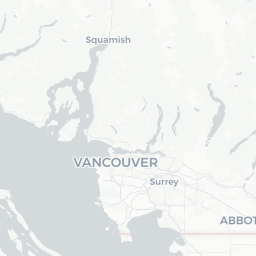
The West End is one of Vancouver's most densely populated urban neighbourhoods, occupying the northwestern tip of the downtown peninsula between Burrard Street and Stanley Park. With English Bay to the south and Coal Harbour to the north, almost every block ends within walking distance of water. Despite its high-rise profile, the neighbourhood feels surprisingly liveable: tree-lined side streets, heritage apartment buildings from the early twentieth century, and an active street culture give it a distinct character within the broader city.
The community is notably diverse and has long been home to a large LGBTQ+ population, centred on Davie Street. Robson Street, running through the southern portion of the neighbourhood, is a busy retail and restaurant corridor that draws visitors and residents alike. Stanley Park sits immediately to the west and is accessible on foot or by bike from virtually anywhere in the West End.
Because the West End is a neighbourhood rather than a standalone city, most visitors base themselves here while exploring greater Vancouver. It offers a walkable, transit-connected location with a genuine sense of place — less corporate than the central business district to the east, but with full urban amenities.
Before You Go
Visas and Entry
Canada's entry requirements vary by nationality and can change. Check TravelerPulse's Visas section for general guidance, and verify your specific requirements with Immigration, Refugees and Citizenship Canada (IRCC) before travel.
Climate
The West End shares Vancouver's oceanic climate. Summers (June–August) are warm and relatively dry, with daytime temperatures typically in the low-to-mid 20s Celsius. Winters are mild but wet, with most precipitation falling as rain between October and March. Snowfall is infrequent and usually light. Pack a waterproof layer for any visit outside of peak summer.
What to Pack
- Comfortable walking shoes — the neighbourhood and Stanley Park reward foot travel
- A light rain jacket regardless of season
- Reusable bag: British Columbia charges for single-use plastic bags
- Sunscreen for summer beach days on English Bay
Practical Timing
Summer weekends bring significant crowds to English Bay, particularly around the annual Celebration of Light fireworks competition (verify current dates with the event organiser). Accommodation prices rise accordingly. Shoulder seasons (May and September–October) offer milder crowds and competitive rates.
Getting There
By Air
Vancouver International Airport (YVR) in Richmond is the primary international gateway. The Canada Line SkyTrain connects YVR directly to downtown Vancouver; the Burrard or Vancouver City Centre stations are closest to the West End. Journey time is roughly 25–30 minutes. Verify current fares and schedules with TransLink before travel.
By Train
VIA Rail serves Pacific Central Station in Vancouver's east side. From there, the SkyTrain or a taxi/rideshare can bring you to the West End in under 30 minutes depending on traffic and connections.
By Bus
BC Ferries operates services from Vancouver Island (Tsawwassen and Horseshoe Bay terminals) for travellers arriving from the island or the Sunshine Coast. Bus connections to downtown Vancouver are available at both terminals; verify current schedules with BC Ferries and TransLink.
By Car
Driving into the West End means navigating downtown Vancouver traffic and paying for parking. Parking is metered on most streets, and several private lots operate in the area. If you are staying in the West End, check whether your accommodation offers parking before you arrive — many buildings do not, and street spots are limited.
Getting Around
The West End is one of Vancouver's most walkable areas. Most points of interest — English Bay Beach, Davie Street, Robson Street, and the Stanley Park entrance — are within a 15–20 minute walk of each other. Many visitors find they rarely need transit within the neighbourhood itself.
Transit
TransLink's bus network serves Davie, Robson, and Denman streets with frequent routes connecting to the broader city. The Burrard SkyTrain station sits on the eastern edge of the neighbourhood, providing rapid access to downtown, YVR, and Burnaby. Verify current routes and fares at translink.ca.
Cycling
Vancouver's separated bike lane network passes through the West End, and the Stanley Park Seawall is one of the most popular cycling routes in the city. Several bike-share and rental operators are present in the neighbourhood — confirm current availability locally or via the Mobi bike share app.
On Foot
Denman Street is the main pedestrian spine running north–south to the Stanley Park entrance. Walking the Seawall along English Bay is a practical and scenic way to move between the beach, Coal Harbour, and Stanley Park.
Where to Stay
The West End offers accommodation ranging from large hotel towers near English Bay to smaller boutique properties and apartment-style rentals. Because this is central Vancouver, prices tend to reflect the city's overall cost of living, which is high relative to Canadian averages.
Several established hotels sit along Beach Avenue and the English Bay waterfront, offering direct bay views at a premium. Properties on Robson or Davie streets tend to be somewhat more centrally priced while still offering walkable access to the beach and Stanley Park. Short-term rental platforms also list numerous apartment units — useful for longer stays or groups, though verify local regulations and platform legitimacy before booking.
Book well ahead for summer, particularly around Celebration of Light weekends, Pride (typically late July/early August — verify current dates), and other major events. Parking should be confirmed directly with any property before arrival.
Things to See & Do
Stanley Park
Immediately west of the West End, Stanley Park is one of North America's largest urban parks at roughly 400 hectares. The Seawall — a paved path circling the park — is used by walkers, joggers, and cyclists. Inside the park you'll find forested trails, Prospect Point (a popular viewpoint over Burrard Inlet), the Vancouver Aquarium, totem poles at Brockton Point, and several beaches including Second and Third Beach. Verify Vancouver Aquarium admission fees and hours on their official website before visiting.
English Bay Beach
The main city beach at the foot of Denman Street is a focal point for West End social life in summer, with a public bathhouse, concession stands, and a popular sunset-watching spot. Alexandra Park behind the beach has benches and green space.
Davie Village
The stretch of Davie Street between Burrard and Jervis is the heart of Vancouver's LGBTQ+ community. The rainbow crosswalks, community notice boards, and a concentration of cafes and bars make it a distinct and welcoming part of the neighbourhood worth exploring.
Robson Street
A busy mixed-use street running east from Denman, Robson has restaurants, cafes, and shops ranging from local independents to well-known chains. It connects the West End to the downtown core.
Sunset Beach Park
At the eastern end of English Bay, Sunset Beach stretches toward the Burrard Bridge and offers a slightly quieter alternative to the main English Bay crowd on busy summer days. The False Creek Aquabus and ferries to Granville Island depart from near here — verify current schedules and fares with the operators.
Food & Drink
The West End supports a dense and varied dining scene for its size. Denman Street and Davie Street are the main corridors, with Robson Street adding more options toward the downtown end.
What to Expect
- Japanese cuisine: The West End has a long-established Japanese Canadian community, and several well-regarded Japanese restaurants and bakeries operate in the neighbourhood, particularly along Robson and Denman.
- Coffee culture: Independent cafes are plentiful. Sitting with a coffee and watching Denman Street foot traffic is a neighbourhood ritual.
- Casual seafood: Being on the coast, fresh fish and seafood feature on many menus. Fish and chips shops near the beach are a practical option after a day on the Seawall.
- International variety: Korean, Thai, Indian, Middle Eastern, and Italian restaurants are all represented within a short walk.
Practical Notes
Tipping in restaurants is customary in Canada; 15–20% on the pre-tax total is standard. Many establishments add an automatic gratuity for larger groups — check your bill. Liquor service in BC restaurants is regulated; hours and licensing conditions vary by venue.
Practical Information
Money
The Canadian Dollar (CAD) is the only accepted currency. ATMs are widely available. Credit and debit cards are accepted almost universally, and contactless payment is common. Currency exchange is available at the airport and some downtown locations — verify rates before exchanging.
Connectivity
Wi-Fi is available in most cafes, hotels, and public spaces. Canadian SIM cards or travel data plans are options for those needing mobile data throughout a longer stay; major carrier stores are present in the neighbourhood.
Emergency Services
In any emergency in Canada, dial 911. For non-emergency police matters in Vancouver, contact the Vancouver Police Department through their non-emergency line — verify the current number via the VPD official website.
Accessibility
Much of the West End's street grid is relatively flat and has accessible curb cuts. The Seawall is paved and widely used by wheelchair users. Stanley Park's interior trails vary in terrain and accessibility — the park's official site has current accessibility information.
Taxes
Purchases in BC are subject to the federal Goods and Services Tax (GST) and Provincial Sales Tax (PST). Restaurant meals are taxed; the tax is not included in most displayed menu prices.
Safety
The West End is generally considered one of Vancouver's safer neighbourhoods. English Bay and Denman Street are active and well-lit in the evenings. Standard urban precautions apply: be aware of your surroundings, secure valuables, and avoid leaving items visible in parked vehicles.
Vancouver, like many major Canadian cities, has visible street homelessness and associated challenges in some areas. The West End is less affected than neighbourhoods to the east, but the issue exists citywide. Exercise common sense and be respectful.
The Pacific ocean currents and rip conditions at English Bay are generally mild compared to open-coast beaches, but swimmers should observe posted signage and not swim alone after hours when lifeguards are off duty. Verify current lifeguard schedules with Vancouver Parks.