Overview
Boron is a small unincorporated community in the Mojave Desert of Kern County, California, sitting at roughly 2,400 feet elevation along U.S. Route 395. With a population of just over 2,000, it is a classic example of a single-industry desert town — in this case, built around one of the most productive borax mining operations on Earth.
The Borax mine operated here by Rio Tinto (under the U.S. Borax brand) is the world's largest open-pit borax mine, and the mineral extracted from this Mojave site is used in everything from glass and ceramics to agriculture and cleaning products. The town's identity is thoroughly tied to that history, most visibly through the 20 Mule Team Borax brand that became an American household name in the late 19th century.
Boron is not a conventional tourist destination, but it draws a steady trickle of travelers interested in industrial heritage, Mojave Desert landscapes, and aviation history — Edwards Air Force Base lies just to the southwest. For most visitors, Boron is a purposeful detour on a longer Mojave road trip rather than a standalone destination.
Before You Go
Visas and Entry
Boron is located in the United States. For visa and entry requirements, check TravelerPulse's Visas section and consult the official U.S. Customs and Border Protection website for the most current information.
Climate
Boron sits in the Mojave Desert and experiences a classic high-desert climate: hot, dry summers with temperatures regularly exceeding 100°F (38°C), and cool winters that can dip below freezing at night. Spring and autumn offer the most comfortable visiting conditions. Precipitation is minimal year-round.
What to Pack
- Sun protection: hat, sunscreen, UV-blocking sunglasses
- Ample water — desert dehydration is a real risk
- Layers for temperature swings between day and night
- A full tank of fuel before leaving a larger city; services in Boron are limited
Connectivity and Services
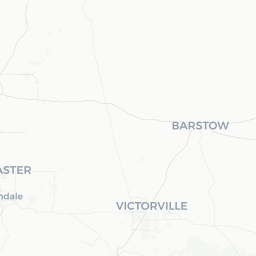
Boron has basic services including a small grocery option and a gas station, but travelers should not assume they will find everything they need locally. Stock up on supplies in Mojave (roughly 20 miles west) or Barstow (roughly 30 miles east) before arriving.
Getting There
By Car
Driving is the practical way to reach Boron. The town sits on U.S. Route 395, accessible from the south via California State Route 58 from Barstow or Mojave. From Los Angeles, the most common route runs north on I-15 to Barstow, then west on SR-58, covering roughly 120 miles. Alternatively, drivers can take CA-14 north from the Los Angeles area through Mojave and continue on U.S. 395 north.
By Public Transit
Public transportation to Boron is extremely limited. Kern Regional Transit operates some rural routes in Kern County, but schedules and stops serving Boron specifically should be verified directly with the provider before relying on this option. Most visitors arrive by private vehicle.
Nearest Airports
Mojave Air and Space Port (MHV) is the closest airport, about 20 miles to the west, but it primarily serves general aviation and private charter flights. The nearest commercial airports with regular scheduled service are Ontario International Airport (ONT) and Los Angeles International Airport (LAX), both roughly 100 to 130 miles to the southwest.
Getting Around
Boron is a small community and there is no local public transit or rideshare infrastructure to speak of. A personal vehicle is essential for getting around and for reaching any attractions in or near town. The 20 Mule Team Museum and the Borax Visitor Center are both within or immediately adjacent to the town itself, so once you have parked, walking between them is feasible. The open-pit mine overlook requires driving to a designated viewpoint area — verify current access with the Borax facility directly, as visitor access policies can change.
Things to See & Do
20 Mule Team Museum
The primary cultural attraction in Boron is the 20 Mule Team Museum, a community museum dedicated to the borax mining history of the region. It covers the 19th-century mule team wagon trains that hauled borax 165 miles across the desert from Death Valley to the railroad at Mojave — one of the more dramatic logistical operations of the American West. The museum houses artifacts, photographs, and exhibits relating to both the mining industry and local community history. Verify current opening hours and any admission fees locally or through the museum directly before visiting.
Borax Mine Overlook
U.S. Borax has historically provided a public overlook where visitors can view the scale of the open-pit mine — a vast, terraced excavation that is genuinely impressive to see in person. Access arrangements and tour availability should be confirmed with U.S. Borax or Rio Tinto before your visit, as these can change.
Desert Landscape and Stargazing
The Mojave Desert surrounding Boron offers open skies with minimal light pollution, making the area suitable for amateur stargazing on clear nights. The high-desert terrain itself — Joshua trees, scrub, and wide vistas — is characteristic of the broader Mojave and worth pausing to appreciate on any drive through the area.
Food & Drink
Dining options in Boron are very limited. The town has a small number of basic eating establishments, but travelers should not expect a wide variety. It is advisable to bring food and water for the day, particularly if arriving on a weekend or outside typical business hours when local options may not be open.
The nearest towns with more reliable restaurant and grocery options are Mojave to the west and Barstow to the east. Both are within roughly 30 miles and offer chain restaurants, fast food, and grocery stores. Plan your meals accordingly when building your itinerary.
Practical Information
Emergency Services
For emergencies in the United States, dial 911. The nearest hospital with full emergency services is in a larger nearby city; verify the closest facility with Kern County emergency services or via local signage before your trip.
Fuel and Vehicle
Fuel up before entering Boron if your tank is low. Options exist in town but availability and hours are limited. Desert breakdowns are hazardous — ensure your vehicle is in good condition, carry extra water, and tell someone your travel plan.
Cell Service
Cell coverage in and around Boron can be inconsistent, particularly on desert roads between towns. Download offline maps (such as Google Maps or maps.me) before departing and do not rely solely on live navigation.
Accessibility
Boron's attractions are small-scale community facilities. Accessibility features at the museum and viewpoint areas should be confirmed directly with each site.
Safety
Boron is a quiet small town and does not present unusual safety concerns for travelers. The primary risks are environmental rather than social: desert heat, dehydration, and the hazards of driving remote desert roads.
- Always carry significantly more water than you think you will need — a minimum of one gallon per person per day is a common desert guideline
- Do not walk or hike in open desert during the hottest part of summer afternoons
- If your vehicle breaks down on a remote desert road, stay with the vehicle rather than attempting to walk for help
- Sun exposure can cause serious burns and heat illness quickly at desert elevations with clear skies — reapply sunscreen and seek shade regularly