Overview
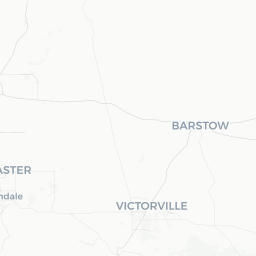
Edwards Air Force Base sits on the western edge of the Mojave Desert in Kern County, California, roughly 100 miles north of Los Angeles. It occupies a vast stretch of Rogers Dry Lake, whose hard, flat lakebed has served as a natural runway for some of the most consequential aircraft ever flown. The base is widely regarded as the birthplace of modern experimental flight testing.
The facility is an active U.S. Air Force installation and is not open to the general public on a walk-in basis. Civilian visitors typically access Edwards only during scheduled public events, escorted tours, or through affiliation with the base. Despite those constraints, the base's aerospace legacy makes it a meaningful destination for aviation enthusiasts who plan carefully.
The surrounding communities of Lancaster, Palmdale, and Mojave serve as practical bases for visitors. The broader Antelope Valley area is home to several aviation-related sites and offers genuine high-desert landscape for those willing to explore.
Before You Go
Access and Entry
Edwards AFB is an active military installation. Unescorted civilian entry is not permitted without prior authorization. Visitors must have a valid reason for access (event attendance, sponsorship by a base resident or employee, or official business) and will generally need to pass a security check and present a government-issued photo ID at the gate.
The Air Force Flight Test Museum is the primary attraction for civilian visitors. Check its official website and social media for scheduled open days, public tours, and special events before making travel plans. Hours and access policies can change with little notice due to base security requirements — verify all details directly with the museum before your visit.
Visas
Edwards AFB is located in the United States. For visa requirements relevant to your nationality, visit TravelerPulse's Visas section and consult the U.S. Department of State or your nearest U.S. embassy or consulate.
What to Bring
- Government-issued photo ID (required at the gate)
- Printed or digital confirmation of any event registration
- Sun protection — the Mojave Desert is intensely sunny and can be extremely hot in summer
- Water and snacks, as on-base amenities for day visitors are limited
Getting There
By Car
Edwards AFB is most conveniently reached by private vehicle. From Los Angeles, take the I-14 (Antelope Valley Freeway) north toward Palmdale and Lancaster, then head east on Avenue M or follow signs toward Rosamond and the base's main gate. The drive is roughly 1.5 to 2 hours depending on Los Angeles traffic. From the Inland Empire, US-395 north from Victorville is another route.
Nearest Airports
The closest commercial airports are Hollywood Burbank Airport (BUR) and Los Angeles International Airport (LAX). Mojave Air and Space Port (MHV), located about 15 miles northeast of the base, handles general aviation and is well known in the aerospace community, though it does not offer scheduled passenger service.
Public Transit
Public transportation options to Edwards AFB are extremely limited. The Antelope Valley Transit Authority (AVTA) serves the Lancaster and Palmdale areas; however, reaching the base itself without a private vehicle is impractical for most visitors. Verify current routes and schedules at the AVTA website.
Getting Around
On-base movement for civilian visitors is typically escorted or restricted to designated event areas. There is no public transit within the installation. A personal vehicle is essential both for reaching the base and for exploring the surrounding Antelope Valley region.
The towns of Rosamond (the closest community, immediately to the west), Lancaster, and Palmdale are all within a reasonable driving distance and offer gas stations, restaurants, and lodging.
Where to Stay
There is no civilian lodging within Edwards AFB itself (on-base lodging is reserved for military personnel and their guests). Visitors should plan to stay in nearby communities.
Rosamond is the closest town and has basic motel-style accommodation. Lancaster and Palmdale, roughly 30–40 miles west, offer a broader range of chain hotels, restaurants, and services. Verify current availability and pricing through your preferred booking platform, as options in Rosamond are limited and fill quickly during major base events.
Things to See & Do
Air Force Flight Test Museum
The museum chronicles over seven decades of experimental aviation history at Edwards. Its collection includes rare prototype and experimental aircraft, artifacts related to the X-1 (in which Chuck Yeager broke the sound barrier in 1947 over this base), and exhibits on NASA's early astronaut training program. The museum hosts periodic public open days and special event weekends — check their official channels for dates, as public access depends entirely on scheduled openings.
Air Force Flight Test Museum Annex (Blackbird Airpark, Palmdale)
Located at United States Air Force Plant 42 in Palmdale, this annex displays aircraft including the SR-71 Blackbird and the U-2. It is a more accessible alternative for visitors unable to arrange access to the main base. Verify current hours and access procedures locally before visiting.
Antelope Valley Poppy Reserve
In a good wildflower year (typically late February through April), the California State Poppy Reserve near Lancaster offers spectacular orange blooms across the high desert. It is a worthwhile stop when combining a trip to the Edwards area in spring.
Mojave Air and Space Port
A short drive northeast of the base, the Mojave Air and Space Port has played its own significant role in aerospace history, including the flights of SpaceShipOne. The perimeter fence often allows views of interesting aircraft parked on the ramp, and the area has a genuine frontier aerospace atmosphere.
Food & Drink
On-base dining facilities are not available to general civilian visitors. Plan to eat before arriving or bring your own food and water.
Rosamond has a modest selection of casual dining options and convenience stores. Lancaster and Palmdale support a wider range of restaurants, from fast food and chain dining to local independent spots reflecting the broader Southern California culinary mix. The Antelope Valley is known for its working-class, unpretentious food scene rather than destination dining.
Practical Information
Climate
Edwards sits at roughly 2,300 feet elevation in the Mojave Desert. Summers are very hot, with daytime temperatures frequently exceeding 100°F (38°C). Winters are mild by day but can be cold at night, occasionally with frost. Spring and fall offer the most comfortable conditions for outdoor activity. Strong winds are common year-round and can create significant dust.
Communications and Connectivity
Cell service in parts of the Mojave Desert can be patchy. Download offline maps before you travel. Major carriers generally provide coverage along the main highway corridors.
Emergency Services
For emergencies anywhere in the United States, dial 911. The base has its own security and emergency services; civilian visitors should follow instructions from base security personnel at all times.
Photography
Photography restrictions apply on active military installations. Always ask base personnel before photographing aircraft, facilities, or personnel. Violating photography rules on a military base can have serious consequences.
Safety
Edwards AFB and the surrounding Antelope Valley are generally safe. The primary safety considerations for visitors are environmental: desert heat, dehydration, and sun exposure. Carry more water than you think you need, especially in summer.
Follow all instructions from U.S. Air Force security personnel on base. Attempting to enter restricted areas or circumvent security checkpoints is a federal offense. Outside the base, standard road-safety awareness applies; desert roads can be long and lonely with limited services.