Translate


Overview
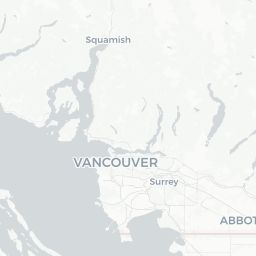
Hamilton is a small community in the District of Mission and the broader Metro Vancouver region of British Columbia, situated near latitude 49.17°N and longitude 122.97°W — placing it in the Fraser Valley lowlands of the Lower Mainland. With a population of roughly 5,500, it functions primarily as a quiet residential locality rather than a conventional tourist destination.
Visitors typically encounter Hamilton as a stopping point or base while exploring the wider region, which includes the Fraser River corridor, agricultural flatlands, and the forested hillsides characteristic of southwestern British Columbia. The surrounding landscape offers a gentle, rural counterpoint to the density of nearby urban centres.
Because Hamilton is embedded within a larger regional network of municipalities, most practical services, attractions, and transport hubs are found in adjacent communities. Travelers should plan their visit with that regional context in mind.
Before You Go
Visas and Entry
Entry requirements for Canada depend on your nationality and method of travel. We recommend checking TravelerPulse's Visas section for an overview, and verifying current requirements directly with Immigration, Refugees and Citizenship Canada (IRCC) before your trip.
Climate
Hamilton shares the mild, maritime-influenced climate of the Lower Mainland. Summers (June–August) are warm and relatively dry, with temperatures often ranging from the mid-teens to mid-twenties Celsius. Winters are cool and wet rather than severely cold, with occasional frost but rarely heavy snowfall at valley elevation. Spring and autumn are transitional and pleasant for outdoor activity.
What to Pack
- Waterproof jacket and layers year-round; rain is common outside summer
- Comfortable walking or hiking footwear if exploring regional trails
- Sunscreen during summer months
- A vehicle or confirmed transport plan, as local transit options are limited (verify current service locally)
Getting There
By Air
The nearest major airport is Vancouver International Airport (YVR) in Richmond, BC, which handles the vast majority of domestic and international flights into the region. From YVR, Hamilton can be reached by car via regional highways; travel time varies depending on traffic but is roughly in the range of 45 minutes to over an hour. Verify current road conditions and routes via DriveBC.
By Road
Hamilton is accessible by private vehicle via the highway network connecting the Fraser Valley municipalities. Travelers coming from Vancouver will generally use Highway 1 (Trans-Canada) and its regional connectors. Road navigation apps provide reliable real-time routing in this area.
By Public Transit
Regional transit in the Metro Vancouver area is operated by TransLink. Coverage and frequency in smaller communities like Hamilton may be limited compared to urban centres; verify current routes and schedules at translink.ca before relying on public transit for this specific locality.
Getting Around
A private vehicle is the most practical way to get around Hamilton and the surrounding area. The community is not organized around a walkable commercial core, and distances between points of interest in the broader region require reliable transportation.
Ride-hailing services (such as Uber and Lyft) operate in Metro Vancouver and may extend to this area, though availability in smaller communities can be less consistent — verify locally. Cycling is feasible on quieter local roads for those already based in the area, but dedicated cycling infrastructure varies; check with the regional district for current trail and route information.
Things to See & Do
Regional Outdoor Recreation
The primary draw for visitors to this part of the Fraser Valley is access to the natural landscape. The Fraser River and its surrounding floodplain offer opportunities for birdwatching, as the area sits within important migratory and wintering bird habitat. Waterfowl, raptors, and shorebirds are commonly observed seasonally.
The forested hillsides and regional parks accessible from the broader Mission and Maple Ridge area include trail networks suitable for hiking and cycling. Visitors should verify current park access, trail conditions, and any seasonal closures with BC Parks or the relevant municipal parks authority before setting out.
Agri-Tourism
The Fraser Valley surrounding Hamilton is agricultural in character, and seasonal farm stands and u-pick operations are part of the regional culture. Availability changes by season; look for local listings or ask at regional visitor centres.
Day-Trip Potential
Hamilton's position in the Lower Mainland makes it a convenient base from which to explore Mission, Maple Ridge, Abbotsford, and other Fraser Valley communities, each offering their own distinct attractions including historic sites, markets, and recreational areas.
Food & Drink
Hamilton itself does not have a well-documented independent restaurant or café scene given its small size. Travelers should plan to access dining options in the nearest surrounding municipalities — Mission and Maple Ridge are the most likely candidates depending on exact location within the community.
The Fraser Valley is broadly known for agricultural produce, and regional farm markets and food producers are worth seeking out. Craft brewing has a notable presence across the wider Lower Mainland; Mission itself has hosted craft beverage producers. Verify current operating businesses locally or through regional tourism resources, as openings and closures in smaller markets can change.
Grocery and convenience supplies are best stocked up in a nearby larger town before staying in a smaller residential area like Hamilton.
Practical Information
Emergency Services
In Canada, dial 911 for police, fire, and ambulance emergencies nationwide.
Health
British Columbia has a well-developed public healthcare system. Visitors from outside Canada should carry travel health insurance, as provincial health coverage does not extend to non-residents. The nearest hospitals and urgent care clinics will be in Mission or other adjacent municipalities — verify locations locally or via the Fraser Health Authority website.
Connectivity
Cell coverage from major Canadian carriers (Bell, Rogers, Telus and their subsidiaries) is generally reliable across the Lower Mainland, though rural pockets can have reduced signal. Wi-Fi is widely available in accommodation and commercial establishments in the broader region.
Money
Canadian dollars are the required currency. ATMs are available in nearby town centres. Major credit and debit cards are widely accepted throughout British Columbia.
Safety
Hamilton and the surrounding Fraser Valley communities are generally considered safe, low-crime residential areas. Standard urban and rural travel precautions apply: secure your vehicle, be aware of your surroundings, and follow any posted guidelines in parks and natural areas.
Outdoor visitors should be aware of wildlife common to the region, including black bears (particularly in areas bordering forested land), coyotes, and in some seasons, stinging insects. Carry bear spray if hiking in forested areas and follow WildSafeBC guidance on wildlife encounters. River areas can carry currents and cold water temperatures; exercise appropriate caution near the Fraser River.