Overview
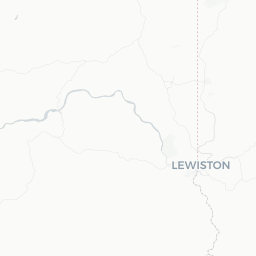
Troy is a small city of roughly 880 residents situated in Latah County in northern Idaho, nestled among the gently rolling hills of the Palouse region. At an elevation of approximately 2,600 feet, the town sits along the South Fork of the Potlatch River and is surrounded by the agricultural landscapes — primarily wheat, barley, and lentil farms — that define this corner of the Pacific Northwest.
The community has deep roots in the late-nineteenth-century settlement of the Palouse, and its compact downtown retains a quiet, working-town character. Troy is not a major tourist destination in the conventional sense, but it draws visitors who appreciate unhurried rural Idaho, access to nearby natural areas, and proximity to the larger university city of Moscow, Idaho, just 12 miles to the west.
Travelers passing through the region on US-8 or exploring the Palouse will find Troy a genuine and unpretentious stop — a place where the pace is slow and the scenery, particularly the patchwork of agricultural fields in late spring and harvest season, is quietly striking.
Before You Go
Visas
Troy is located in the United States. For visa and entry requirements, check TravelerPulse's Visas section and the official US Customs and Border Protection or Department of State websites, as requirements vary significantly by nationality.
What to Know Before Arriving
- Troy is a very small city with limited commercial services. Stock up on supplies in Moscow (about 12 miles west) or Lewiston (roughly 35 miles south) before heading out for any extended outdoor activities.
- Cell service can be inconsistent in the surrounding rural and forested areas; download offline maps before exploring back roads or trails.
- The town has no hospital; the nearest full-service medical facility is in Moscow. Verify locally for current urgent care options.
- Winters can bring snow and icy road conditions. If traveling between November and March, check road conditions via Idaho Transportation Department resources before driving.
Getting There
By Air
The nearest commercial airport is Pullman-Moscow Regional Airport (PUW), located approximately 20 miles northwest of Troy in Pullman, Washington. It offers connecting flights to larger hubs. Spokane International Airport (GEG), roughly 85 miles north, provides more flight options and major airline service.
By Car
The most practical way to reach Troy is by car. US Highway 8 passes through town, connecting it to Moscow to the west and the St. Maries area to the east. From Lewiston, take US-12 north and then US-95 and local roads east; verify the current best route via a mapping application.
By Bus
Verify locally whether regional bus services connecting Moscow to Troy or surrounding Latah County communities are currently operating, as rural transit options in this area are limited and schedules change.
Getting Around
Troy itself is small enough that the downtown area and local park are easily walkable. However, to reach surrounding natural areas, trailheads, or neighboring towns, a personal vehicle is essentially required — there is no local public transit within the city.
Roads in the surrounding hills can be narrow and unpaved in places. A standard passenger car is adequate for most routes in dry conditions; verify road conditions locally before driving forest or farm roads, especially after rain or in winter.
Things to See & Do
Palouse Scenery and Drives
The primary draw of the Troy area is the surrounding Palouse landscape. The rolling hills, covered in crops that shift color from bright green in spring to golden at harvest, make for rewarding scenic drives along rural roads. Early June and late July through August tend to offer the most visually dramatic agricultural views.
Potlatch River and Outdoor Recreation
The South Fork of the Potlatch River runs near town and offers opportunities for fishing and wildlife observation. The broader Palouse region has trails and natural areas worth exploring; verify current access and conditions with the Idaho Department of Fish and Game or local sources before visiting.
Idler's Rest Nature Preserve
Located a short drive from Troy toward Moscow, Idler's Rest is a publicly accessible natural area managed by the Palouse Land Trust, featuring forested trails in a draw habitat. It is a genuine local gem for a quiet walk among ponderosa pine and mixed forest — verify current access and trail conditions before visiting.
Community Events
Troy hosts local community events and celebrations through the year; verify the current calendar with the City of Troy or Latah County resources when planning a visit, as schedules and events change annually.
Food & Drink
Troy's food and drink options are limited given its population. The town may have a small number of local establishments — verify what is currently operating upon arrival or by searching online before your visit, as businesses in small rural communities can open or close with relatively little notice.
Moscow, Idaho (about 12 miles west) offers a much broader range of restaurants, cafes, breweries, and grocery stores and is the practical base for dining if you are spending time in the Troy area. The presence of the University of Idaho in Moscow means the food scene there is more varied than you might expect for a city of its size.
Practical Information
Emergency Services
In any emergency in the United States, dial 911. Verify the location of the nearest hospital and urgent care clinic in Moscow before your visit.
Money
ATM availability in Troy is limited; carry cash or confirm locally. Businesses in small towns sometimes do not accept all card types.
Connectivity
Wi-Fi may be available at some local establishments. Mobile data coverage can be spotty outside of town; download maps and any necessary information before leaving a larger city.
Fuel
Verify fuel availability in Troy locally. If driving rural roads or heading into forested areas, filling your tank in Moscow or another larger town before setting out is advisable.
Safety
Troy is a quiet rural community and is generally considered safe. Standard travel awareness applies: lock your vehicle, be mindful of belongings, and let someone know your plans if heading into remote outdoor areas.
Outdoor safety is the more relevant concern in this region. Weather in northern Idaho can change quickly, particularly at elevation and in the shoulder seasons. Wildlife including deer and elk are present in the surrounding hills and can create road hazards, particularly at dawn and dusk. If hiking or exploring forest roads, carry water, a map, and basic first-aid supplies.