Translate


Overview
Genesee is a small agricultural community of roughly 950 people situated in Latah County in northern Idaho, on the western edge of the Palouse — one of the most productive wheat-growing regions in North America. The town sits at an elevation of around 2,600 feet on gently rolling farmland, and its roots trace back to late-19th-century homesteaders who recognized the region's exceptional soil.
The pace here is quiet and deliberate. There are no major tourist attractions in the conventional sense, but Genesee rewards travelers who appreciate genuine small-town America: a working grain elevator on the horizon, tidy streets lined with historic buildings, and a community that has sustained itself through farming for well over a century.
Genesee is best understood as part of the broader Palouse landscape experience. Visitors often pass through or make a brief stop while driving the scenic back roads between Moscow, Idaho, and the Palouse hills. The surrounding fields shift dramatically with the seasons — green and rolling in spring, gold at harvest time in late summer, and starkly beautiful under winter snow.
Getting There
Genesee lies approximately 12 miles south of Moscow, Idaho, along US Highway 95, making it straightforward to reach by car from the region's larger hub.
By Air
The nearest commercial airport is Pullman-Moscow Regional Airport (PUW), located roughly 20 miles northwest of Genesee across the Washington state border near Pullman, WA. It offers limited regional connections; larger options include Spokane International Airport (GEG), about 85 miles northwest, which serves major national carriers.
By Car
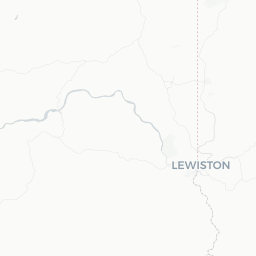
Driving is the most practical way to reach Genesee. From Moscow, head south on US-95 for about 12 miles. From Lewiston, Idaho, the drive is approximately 35 miles north on US-95. Road conditions in winter can be challenging due to snow and ice — verify conditions with Idaho 511 (511.idaho.gov) before traveling in cold months.
By Bus
Verify locally whether regional bus services operating in Latah County serve Genesee or stop nearby on their Moscow–Lewiston routes, as schedules change.
Getting Around
Genesee is a very small town and essentially walkable within its core. There is no local public transit. A personal vehicle is necessary for arriving and for exploring the surrounding Palouse roads, which are the primary draw for visitors passing through.
The surrounding farm roads are generally paved two-lane routes that are excellent for scenic driving or cycling for experienced riders comfortable with occasional truck traffic during harvest season. Always be courteous to farm equipment on rural roads.
Where to Stay
There are no known hotels or established lodging properties within Genesee itself. Travelers should plan to stay in Moscow, Idaho, which has a range of motels, hotels, and short-term rental options serving the University of Idaho area. Pullman, Washington, just across the state line, is another practical base.
For those interested in a more immersive rural experience, check platforms such as Airbnb or Hipcamp for farm stays or rural rental properties in Latah County — availability varies and should be verified directly.
Things to See & Do
Scenic Palouse Driving
The greatest draw in the Genesee area is the landscape itself. The rolling hills of the Palouse create sweeping views that change dramatically with the season and time of day. Early-morning light on the wheat fields in June and July is particularly photogenic. Drive the back roads south and east of town for wide-open views with minimal traffic.
Small-Town Exploration
Genesee has a compact historic downtown with a few locally owned businesses. Walking the main street gives a genuine sense of small-town Idaho life. The grain elevators visible on the edge of town are emblematic of the region's agricultural identity.
Proximity to Palouse Falls and State Parks
While not immediately adjacent, Genesee's location makes it a reasonable waypoint for travelers heading toward Palouse Falls State Park in Washington (approximately 70 miles west) or exploring Latah County's natural areas. Verify current park status and access before visiting.
Harvest Season
If visiting in late July or August, you may witness large-scale wheat harvesting operations on the surrounding farms. This is a living display of industrial-scale agriculture that is unique to the Palouse and worth observing respectfully from public roads.
Food & Drink
Dining options within Genesee itself are very limited, as is typical for a town of this size. There may be a small local diner or convenience option — verify current businesses locally before arrival, as small-town establishments open and close frequently.
Moscow, Idaho, 12 miles north, is the practical base for a wider range of restaurants, cafes, and grocery stores. Moscow has a well-regarded food scene anchored by the University of Idaho community, including farmers' market vendors, local cafes, and diverse dining options. Plan meals around your time in Moscow if you are day-tripping to the Genesee area.
Practical Information
Visas and Entry
Genesee is in the United States. For visa and entry requirements, visit TravelerPulse's Visas section and check with the U.S. Department of State or your home country's consular authority for current requirements.
Connectivity
Cell coverage in rural Latah County can be spotty outside of Moscow and on some farm roads. Download offline maps before driving the area's back roads.
Services
Genesee has very limited services. There is no hospital in town — the nearest medical facilities are in Moscow. Fuel up before leaving Moscow if you plan an extended rural drive, as gas stations on back roads may be scarce. Emergency services: dial 911 for all emergencies in the United States.
Weather
Northern Idaho winters can bring significant snow and ice. Spring can be wet. Summers are warm and generally dry. Check forecasts through the National Weather Service (weather.gov) before traveling.
Safety
Genesee is a low-crime rural community. Standard rural travel precautions apply: let someone know your itinerary when exploring back roads, carry water and a charged phone, and be aware that cell service may be unreliable outside of town.
During harvest season (typically July–August), heavy farm machinery operates on local roads. Drive cautiously, do not pass equipment on blind hills, and be patient — farm vehicles have the right of way and represent the community's livelihood.