Overview
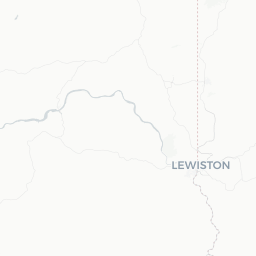
Lapwai is a small city of roughly 1,100 people situated in the Clearwater River valley of north-central Idaho, about 12 miles east of Lewiston. It sits within the boundaries of the Nez Perce Indian Reservation and serves as the governmental and cultural seat of the Nez Perce Tribe (Nimíipuu, meaning "the People"). The landscape is defined by rolling hills, open canyon country, and fertile bottomlands characteristic of the Palouse and Snake River Plain transition zone.
For visitors, Lapwai's primary significance is its deep connection to Nez Perce history and living culture. The tribe has inhabited this region for thousands of years, and the area figured prominently in the 19th-century conflicts between the Nez Perce and the United States government, including events leading to the 1877 Nez Perce War. Travelers who approach Lapwai with genuine curiosity and respect will find it a meaningful stop on any tour of the Pacific Northwest's Indigenous heritage.
Because Lapwai is a small, primarily residential community governed by the Nez Perce Tribe, visitor infrastructure is limited compared to larger towns. Most dining, lodging, and commercial services are found in nearby Lewiston. Plan accordingly and treat Lapwai as a destination for cultural learning rather than conventional tourism amenities.
Before You Go
No special visa is required beyond what is needed to enter the United States. For guidance on US entry requirements, visit TravelerPulse's Visas section and consult the official US Customs and Border Protection website.
Respect Tribal Sovereignty
Lapwai is within the Nez Perce Reservation. Visitors should be aware that tribal land is governed by tribal law in addition to state and federal law. Some areas on the reservation may be restricted to tribal members; pay attention to posted signage and ask before photographing people, ceremonies, or sacred sites. Tribal powwows and cultural events may or may not be open to the public — verify with the Nez Perce Tribe's official communications before attending.
Practical Preparation
- Services in Lapwai itself are limited. Fill up on fuel and stock up on groceries in Lewiston before heading out.
- Cell coverage can be inconsistent in parts of the valley; download offline maps before you arrive.
- Weather in late spring can include rain; summers are hot and dry. Bring layers for morning and evening visits.
Getting There
Lapwai is most easily reached by car. From Lewiston, Idaho, take US-95 North approximately 12 miles southeast — the drive takes around 15–20 minutes. From Moscow, Idaho, the drive is roughly 30 miles west on US-95 and takes about 35 minutes.
The nearest commercial airport is Lewiston-Nez Perce County Regional Airport (LWS), which offers regional connections. Spokane International Airport (GEG) in Washington, about 100 miles north, provides broader airline options and is a common entry point for this region. Car rental is strongly recommended, as there is no regular intercity bus or rail service directly serving Lapwai.
If arriving from the west via US-12 along the Clearwater River corridor, Lapwai is accessible by continuing north on US-95 from the junction near Lewiston.
Getting Around
A personal vehicle is the practical necessity in and around Lapwai. The town itself is compact and walkable for those staying nearby, but reaching outlying Nez Perce historical sites — which are spread across a large geographic area — requires driving.
The Nez Perce National Historical Park is not a single contiguous park but a collection of 38 sites spread across Idaho, Oregon, Washington, and Montana. The visitor center most relevant to this area is located in Spalding, Idaho, just a few miles from Lapwai on US-95. Verify current hours and accessibility directly with the National Park Service before visiting.
Things to See & Do
Nez Perce National Historical Park — Spalding Site
The Spalding Unit, located just outside Lapwai near the town of Spalding, is the main visitor center for the Nez Perce National Historical Park. It features exhibits on Nez Perce history, culture, and the events of 1877. The park is administered by the National Park Service in partnership with the Nez Perce Tribe. Check the NPS website for current hours and any admission information before visiting.
Nez Perce Tribe Museum and Cultural Programs
The Nez Perce Tribe operates cultural programs and, at times, public events that offer insight into Nimíipuu traditions, language, and art. Contact the tribe's official channels to learn about any scheduled events or programs open to visitors during your travel dates.
Scenic Driving and Natural Landscape
The drive along the Clearwater River corridor (US-12) and through the surrounding canyon and Palouse hill country offers striking scenery. Birdwatching, fishing, and wildlife observation are pursuits many visitors enjoy in the broader region, particularly along the Clearwater and Snake rivers. Check local regulations, including any tribal fishing regulations that may apply on reservation waters.
Historical Reflection
For travelers interested in 19th-century American history, walking the Spalding site grounds and reading the interpretive markers along the Nez Perce National Historical Park trail system provides a layered understanding of Indigenous resistance, missionary history, and treaty-era conflict that shaped the Pacific Northwest.
Food & Drink
Lapwai has very limited dining options within the city itself. Travelers should expect to find the bulk of their dining choices in Lewiston, which offers a full range of restaurants, cafes, and grocery stores.
If you are visiting during a tribal event or powwow that is open to the public, traditional Nez Perce foods such as camas, salmon, and venison may be offered — these are meaningful cultural experiences, not tourist commodities, so approach them respectfully if the opportunity arises. Verify locally what is available and appropriate for visitors.
Practical Information
Emergency Services
For emergencies, dial 911. The Nez Perce Tribal Police serve the reservation. The nearest full-service hospital is in Lewiston — verify the current facility and address locally or before your trip.
Connectivity and Banking
- ATM availability within Lapwai is limited; withdraw cash in Lewiston.
- Cell coverage may be spotty in parts of the valley; major carriers provide partial coverage.
- Download NPS maps and offline navigation before departing.
Weather
Summers are warm and dry, with temperatures often reaching the 90s°F (low-to-mid 30s°C). Spring and fall bring cooler temperatures and the possibility of rain. Winters can include snow and freezing temperatures, which may limit access to some sites.
Safety
Lapwai is a quiet residential community with no particular safety concerns for visitors behaving respectfully and lawfully. Standard travel precautions apply: secure your vehicle, do not leave valuables visible, and be aware of your surroundings.
Respect private property and posted signs on reservation land. Entering restricted areas without permission is both disrespectful and potentially subject to tribal or federal law. If you are uncertain whether an area is accessible, ask at the Spalding visitor center or contact the Nez Perce Tribe directly before exploring.
Local Culture & Etiquette
Lapwai is a living community, not a heritage attraction, and the Nez Perce people maintain a vibrant, ongoing culture. The Nimíipuu have inhabited this region for at least 10,000 years and are known historically for their horsemanship, the Appaloosa horse breed, fishing traditions, and sophisticated trade networks.
The 1855 and 1863 treaties with the United States dramatically reduced Nez Perce territory, and the 1877 war — in which Chief Joseph and other leaders led a remarkable 1,170-mile retreat — remains a defining moment in both tribal and American history. Understanding this context before visiting will make your experience more meaningful and respectful.
Visitors should avoid treating cultural symbols, regalia, or ceremonies as photo opportunities. If attending any public tribal events, follow the lead of community members regarding behavior, dress, and participation. The Nez Perce Tribe has its own governmental structure; demonstrate the same respect you would in any sovereign jurisdiction.