 Translate
The Essence of Melbourne Airport
A closer look
Living guide content for Melbourne Airport — read or listen in 46+ languages.
Melbourne Airport isn't the kind of place that makes you settle for a sad sandwich and a bag of chips. The international terminal does particularly well, with a solid lineup of restaurants that actually reflect the city's celebrated food culture. Rockpool Bar & Grill brings a genuinely impressive menu airside, while Vue de Monde's airport outpost lets you taste one of Melbourne's most iconic dining institutions before you even leave the tarmac. It's a good sign when the airport food makes you want to linger.
Over in the domestic terminals, things are more casual but still thoughtfully curated. The food court areas across T2 and T3 carry local favourites like Grill'd for honest, quality burgers, and St. Ali — Melbourne's legendary specialty coffee institution — runs a proper espresso bar so you won't be stuck with mediocre airline coffee before boarding. Pie Face and a handful of grab-and-go bakeries round things out for travellers in a hurry, and there's always something warm and filling to track down no matter which gate you're near.
What Melbourne Airport does surprisingly well is lean into local identity. You'll find cold-pressed juices, artisan sourdough, and single-origin coffee blends that feel genuinely at home in a city obsessed with brunch culture. If you're departing internationally and have a bit of time, grab a flat white and something from the Rockpool menu — it's a proper send-off. Arriving domestic? Head straight to St. Ali before you even think about the taxi rank. Consider it your welcome back to Melbourne.
Australia's second-busiest airport, gateway to Victoria.
- ›Melbourne Airport replaced Essendon Airport as Melbourne's primary airport when it opened in 1970.
- ›It is owned and operated by Australia Pacific Airports Corporation (APAC).
- ›The airport has no direct rail connection to the Melbourne CBD, a notable gap for a city of its size.
- ›It is the second-busiest airport in Australia after Sydney Kingsford Smith Airport.
- ›The airport covers an area of approximately 2,700 hectares and has two parallel runways.
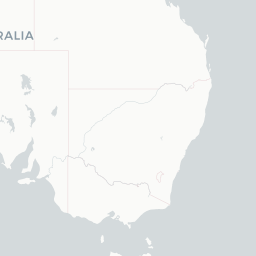
Route map (55 destinations)







Airlines serving this airport
Routes
Stay, Eat & Explore: Melbourne
Australia's culture capital
- •Laneways & Street Art — Hosier Lane's ever-changing spray-can gallery.
- •Queen Victoria Market — 150-year-old sheds of produce and night feasts.
- •Royal Botanic Gardens — 38 hectares curling along the Yarra.
- •Melbourne Cricket Ground — The 100,000-seat cathedral of Aussie sport.
- •St Kilda & Brighton Bathing Boxes — Penguins at the pier and rainbow beach huts.
Getting around: Free City Circle trams loop the CBD — the world's biggest tram network; SkyBus links Tullamarine; Myki cards cover it all.
Pick what matters for your layover or early flight, then compare on your favorite booking site.
TravelerPulse may receive compensation when you book or purchase through some of the links on this page, at no additional cost to you. Prices and availability are set by the booking provider and may change. We never share your private trip details with partners — only the destination, dates and party size you searched.
City & Place Guide
No guide exists for this place yet — Click to generate a Traveler Pulse guide.
Passport, Visa & Immigration
Flying internationally via MEL? Check entry, transit and customs requirements for Australia from official government sources.

Melbourne Airport, colloquially known as Tullamarine Airport, is an international airport serving Melbourne, Victoria, the second largest city in Australia. It is located in the suburb of Melbourne Airport, approximately 22 kilometres (14 mi) northwest of the Melbourne city centre.
Read full article on WikipediaLatest news
Melbourne Airport
Melbourne Airport, colloquially known as Tullamarine Airport, is an international airport serving Melbourne, Victoria, the second largest city in Australia. It is located in the suburb of Melbourne Airport and is approximately 22 kilometres (14 mi) northwest of the Melbourne city centre.
Read on WikipediaText from Wikipedia, licensed under CC BY-SA. May be out of date — verify important details.

