Charles de Gaulle International Airport
The Essence of Charles de Gaulle International Airport
A closer look
Living guide content for Charles de Gaulle International Airport — read or listen in 46+ languages.
Eating well at Charles de Gaulle is far more achievable than most travelers expect. Terminal 2E, the airport's busiest international hub, is home to some genuinely satisfying options — Paul, the beloved French bakery chain, turns out buttery croissants and jambon-beurre sandwiches that taste like a proper Parisian breakfast. Departure Hall K in 2E also houses a handful of sit-down brasserie-style spots where you can settle in with a glass of Bordeaux and a croque-monsieur without feeling rushed by gate anxiety.
Terminal 1, with its distinctive circular architecture, offers its own little culinary ecosystem. The food court on the departure level leans casual but doesn't phone it in — look for Ladurée for a macaron box to tuck into your carry-on, and Brioche Dorée for something quick and warm before a long-haul flight. If you have a Priority Pass or lounge access, the Air France Salon in 2E serves a rotating selection of French cheeses, charcuterie, and warm dishes that genuinely rival what you'd find in a decent Paris bistro.
For travelers with a little extra time — and a willingness to hop the terminal shuttle — the duty-free zone in Hall M is worth visiting not just for shopping but for its well-stocked wine and cheese counters. You can pick up vacuum-sealed Comté, a bottle of Champagne from a Reims producer, or a tin of foie gras to bring home. It's airport retail, yes, but it's also a perfectly curated snapshot of what French food culture holds most dear: quality ingredients, regional pride, and the pleasure of eating well even when you're in transit.
France's premier international gateway, connecting Paris to the world.
- ›Terminal 1, designed by architect Paul Andreu, opened in 1974 with a distinctive circular form and central hub connected by tubular walkways.
- ›CDG handled approximately 67 million passengers in 2019, making it the second busiest airport in Europe that year.
- ›A partial roof collapse in Terminal 2E in 2004 led to a significant reconstruction and redesign of that terminal.
- ›The airport covers roughly 3,300 hectares, making it one of the largest airports in the world by land area.
- ›CDG has two pairs of parallel runways, giving it four runways in total to support high traffic volumes.
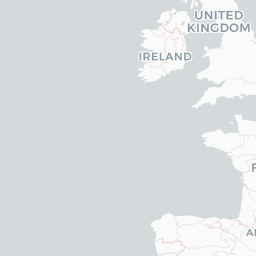
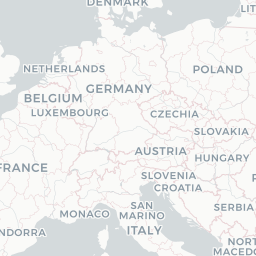
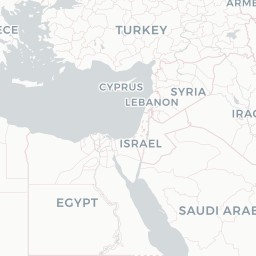
Route map (236 destinations)



Airlines serving this airport
Routes
Stay, Eat & Explore: Paris
The City of Light
- •Eiffel Tower — The wrought-iron icon of France with panoramic city views from three levels.
- •Louvre Museum — The world's most-visited museum — home of the Mona Lisa and 35,000 works.
- •Notre-Dame & Île de la Cité — The restored Gothic cathedral at the medieval heart of the city.
- •Montmartre & Sacré-Cœur — Hilltop basilica, artists' squares and sweeping views.
- •Musée d'Orsay — Impressionist masterpieces inside a magnificent Beaux-Arts railway station.
Getting around: The Métro (16 lines) plus RER trains reach everywhere; CDG connects by RER B and ORY by tram-metro link. Taxis, Vélib' bikes and river shuttles round it out.
Pick what matters for your layover or early flight, then compare on your favorite booking site.
TravelerPulse may receive compensation when you book or purchase through some of the links on this page, at no additional cost to you. Prices and availability are set by the booking provider and may change. We never share your private trip details with partners — only the destination, dates and party size you searched.
City & Place Guide
No guide exists for this place yet — Click to generate a Traveler Pulse guide.
Passport, Visa & Immigration
Flying internationally via CDG? Check entry, transit and customs requirements for France from official government sources.

Paris Charles de Gaulle Airport, also known as Roissy Airport, is the primary international airport serving Paris, the capital of France. The airport opened in 1974 and is located in Roissy-en-France, 23 km (14 mi) northeast of the city centre of Paris. It is named after World War II leader and French president Charles de Gaulle, whose initials form its IATA airport code. It is one of two airports to serve the greater Paris area, the other being Orly Airport.
Read full article on Wikipedia